Industrial Conveyor Rollers Explained: Basics, Functions, and Key Insights
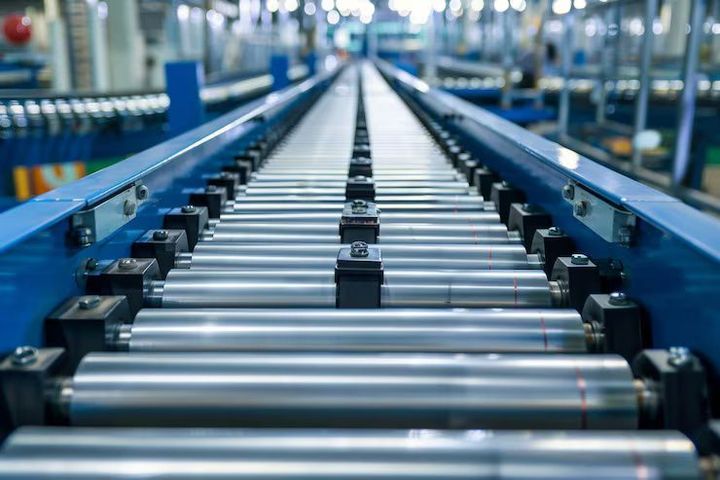
Industrial conveyor rollers are essential components used in material handling systems to move goods efficiently across manufacturing, logistics, and warehousing environments. These rollers are typically cylindrical in shape and are mounted within conveyor frames to allow smooth and controlled movement of items.
Industrial conveyor rollers are essential for moving heavy or bulk materials efficiently, reducing manual labor, and streamlining operations. They are widely used across industries such as automotive, food processing, packaging, mining, and e-commerce fulfillment centers.
Rollers can be powered (motor-driven) or gravity-based (relying on incline or manual force), and are commonly made from steel, plastic, or rubber-coated materials, depending on the application and operating conditions.
Why Industrial Conveyor Rollers Matter Today
Conveyor rollers are critical in modern supply chains and production systems. With the rise of automation and global logistics, efficient material handling directly impacts productivity and service quality.
Key Benefits
- Reduced Physical Strain: Minimizes manual handling for workers
- Improved Workflow Efficiency: Ensures smooth material movement
- Consistent Transportation: Reliable handling of goods without interruptions
- Lower Product Damage Risk: Supports delicate or sensitive items
- Supports Lean Manufacturing: Optimizes material flow for faster production
Industries such as e-commerce, manufacturing, and logistics heavily rely on conveyor rollers to meet increasing demands and delivery expectations.
Recent Trends and Developments (2024–2025)
Conveyor roller technology is evolving with automation, smart systems, and sustainability in focus.
Key Trends
- IoT and Smart Sensors (2025): Monitor roller performance, detect wear, and predict maintenance needs
- Energy-Efficient Designs: Low-friction materials and improved bearings reduce energy consumption
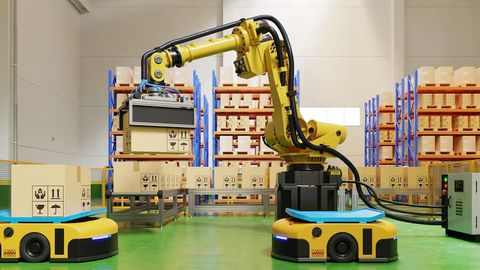
- Automation Integration: Rollers incorporated into robotic systems and automated storage/retrieval systems (AS/RS)
- Sustainable Materials: Recyclable components and longer-lasting rollers reduce environmental impact
These developments enhance reliability, reduce downtime, and improve operational efficiency.
Regulations and Compliance Considerations
Industrial conveyor rollers must comply with safety and operational standards to protect workers and ensure system reliability.
Key Compliance Points
- Proper guarding of moving parts
- Regular inspection and maintenance schedules
- Adherence to load capacity limits
- Noise and vibration control measures
In India, compliance is guided by the Factories Act, occupational safety norms, and international standards like ISO. Environmental regulations may also apply when handling hazardous materials or energy-intensive operations.
Tools and Resources for Conveyor Roller Systems
Various tools support the design, maintenance, and optimization of conveyor roller systems:
| Tool Type | Purpose |
|---|---|
| Design Software | Layout planning and system configuration |
| Load Calculators | Determine weight capacity and spacing |
| Monitoring Systems | Track performance and detect issues |
| Maintenance Schedulers | Plan routine inspections and servicing |
Technical manuals, industry guidelines, and industrial automation platforms further aid in system optimization.
Common Types of Industrial Conveyor Rollers
Understanding roller types ensures proper selection for specific operational needs:
- Gravity Rollers: Manual or inclined systems
- Driven Rollers: Powered by belts or chains
- Tapered Rollers: Designed for curved conveyors
- Impact Rollers: Withstand high-load or shock areas
- Groove Rollers: Support belt-driven systems
Frequently Asked Questions (FAQs)
What materials are used in conveyor rollers?
Steel, stainless steel, plastic, and rubber-coated materials based on application requirements.
How often should conveyor rollers be maintained?
Maintenance is typically recommended monthly or quarterly, depending on usage.
What causes conveyor rollers to fail?
Common causes include bearing wear, misalignment, overloading, and lack of lubrication.
Are conveyor rollers suitable for all industries?
Yes, but the type and material should match operational needs.
How do smart conveyor systems improve efficiency?
Sensors and analytics monitor performance, predict failures, and optimize operations, reducing downtime.
Performance Insights and Efficiency Factors
The efficiency of conveyor rollers depends on material quality, alignment, and maintenance.
| Factor | Impact on Performance |
|---|---|
| Roller Alignment | Ensures smooth movement |
| Bearing Quality | Reduces friction and wear |
| Load Distribution | Prevents overloading |
| Maintenance Routine | Extends system lifespan |
Proper installation and monitoring are key to maintaining peak performance.
Conclusion
Industrial conveyor rollers are fundamental for efficient material handling. They reduce labor, increase workflow efficiency, and support automation across industries.
With advancements such as smart monitoring, energy-efficient designs, and sustainable materials, conveyor rollers continue to evolve to meet modern operational demands. Understanding their types, functions, and maintenance ensures safe, reliable, and productive industrial operations.
As industries adopt automation and faster logistics systems, conveyor rollers will remain essential for streamlined, reliable material transport.