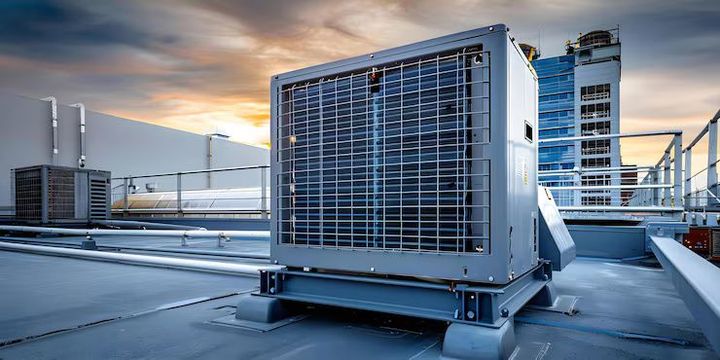
Industrial Cooling Equipment Guide: Basics, Uses, and Key Insights for Businesses
Industrial cooling equipment refers to mechanical systems designed to remove excess heat from machines, industrial processes, or large facilities. Heat is a natural byproduct of manufacturing, power generation, chemical processing, and data infrastructure. Without proper cooling systems, machines may overheat, leading to reduced efficiency, equipment damage, or safety risks.
Industrial cooling equipment plays a critical role in regulating temperature across various sectors. These systems ensure stable operations, protect machinery, and support efficient industrial processes. Industries such as manufacturing, energy production, data centers, pharmaceuticals, and food processing rely heavily on effective cooling solutions.
Industrial cooling works by transferring heat away from equipment or fluids using air, water, refrigerants, or cooling towers. The main objective is to maintain optimal temperatures and prevent overheating that could lead to system failures.
Types of Industrial Cooling Equipment
Common industrial cooling systems include:
- Industrial chillers
- Cooling towers
- Heat exchangers
- Evaporative cooling systems
- Air-cooled and water-cooled condensers
Each system uses thermodynamic principles such as heat exchange, evaporation, or refrigeration cycles. Many modern systems are integrated with automation platforms to monitor temperature, energy usage, and performance.
Why Industrial Cooling Equipment Matters Today
Industrial cooling systems are essential for maintaining productivity, product quality, and safety. Precise temperature control ensures that machinery operates efficiently and processes remain stable.
Key Industry Applications
Cooling equipment is widely used across industries, including:
- Data centers to maintain server temperatures
- Chemical plants to control reaction conditions
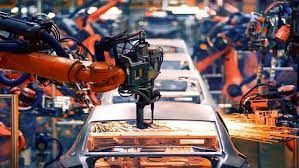
- Automotive manufacturing for machinery performance
- Power plants for heat dissipation from turbines
Challenges in Heat Management
Industries face several heat-related challenges, such as:
- Rising global temperatures
- Increased computing power demands
- High energy consumption
- Equipment downtime due to overheating
Industrial cooling equipment addresses these challenges by ensuring efficient heat removal and stable operations. It also contributes to workplace safety by reducing excessive heat exposure.
Recent Developments and Industry Trends
Industrial cooling technology has evolved significantly in recent years. In 2025, industries are investing in energy-efficient and smart cooling solutions to improve performance and reduce operational costs.
Key Trends (2024–2025)
- Integration of smart sensors and IIoT systems
- Use of variable-speed compressors
- Growth of liquid cooling in data centers
- Adoption of eco-friendly refrigerants
- Expansion of modular cooling systems
Liquid cooling technologies are gaining popularity due to the rise of artificial intelligence and high-performance computing. Hybrid cooling systems are also emerging, combining multiple techniques to improve efficiency in hot environments.
Sustainability and Innovation
Modern cooling systems focus on reducing environmental impact. Manufacturers are designing solutions that lower water usage and greenhouse gas emissions while improving energy efficiency.
Predictive maintenance is another major innovation, allowing operators to detect potential failures early and reduce downtime.
Regulatory Framework and Government Policies
Industrial cooling systems must comply with environmental and safety regulations. These frameworks ensure responsible operation and minimize environmental impact.
Key Regulatory Areas
- Energy efficiency standards
- Refrigerant usage regulations
- Workplace safety guidelines
- Water management policies for cooling towers
Governments often promote low-global-warming-potential refrigerants to reduce emissions. Cooling tower regulations also focus on preventing health risks through proper maintenance and water treatment.
Energy efficiency programs encourage industries to upgrade outdated systems and adopt advanced cooling technologies. Compliance helps ensure safe, efficient, and sustainable operations.
Helpful Tools and Resources
Engineers and facility managers use various tools to design and optimize industrial cooling systems. These tools improve monitoring, efficiency, and overall performance.
Common Tools
- HVAC load calculation software
- Energy monitoring platforms
- Industrial automation dashboards
- Predictive maintenance tools
- Environmental compliance systems
These platforms provide real-time insights into temperature levels, energy consumption, and system performance. They also help in planning maintenance and improving operational efficiency.
Comparison of Industrial Cooling Systems
| Cooling Technology | Typical Application | Key Feature |
|---|---|---|
| Industrial Chillers | Manufacturing plants | Refrigeration-based cooling |
| Cooling Towers | Power plants, refineries | Heat removal through evaporation |
| Heat Exchangers | Chemical processing | Thermal transfer between fluids |
| Evaporative Coolers | Large industrial spaces | Energy-efficient air cooling |
Industrial facilities also track performance using key metrics such as cooling capacity, energy consumption, water usage, and temperature differences.
Temperature vs Cooling Demand
| Temperature Range | Cooling Demand Level |
|---|---|
| 20–25°C | Low |
| 26–30°C | Moderate |
| 31–35°C | High |
| Above 35°C | Very High |
These insights help operators adjust cooling systems based on environmental conditions.
Frequently Asked Questions
What is the purpose of industrial cooling equipment?
Industrial cooling equipment removes excess heat from machinery and processes. It ensures stable temperatures, protects equipment, and improves operational efficiency.
What industries use industrial cooling systems?
Industries such as manufacturing, power generation, pharmaceuticals, chemical processing, data centers, and food production rely on cooling systems.
How do cooling towers work?
Cooling towers remove heat from water by using evaporation and airflow. The cooled water is then reused in industrial processes.
Why is energy efficiency important?
Cooling systems consume large amounts of electricity. Energy-efficient systems reduce costs, improve sustainability, and enhance performance.
What is predictive maintenance?
Predictive maintenance uses sensor data and analytics to identify issues before failures occur. This approach reduces downtime and improves reliability.
Conclusion
Industrial cooling equipment is essential for modern industrial operations. It ensures safe working conditions, protects machinery, and supports efficient production processes.
Advancements in automation, energy efficiency, and digital monitoring are transforming cooling technologies. Innovations such as smart sensors, predictive maintenance, and sustainable refrigerants are improving performance while reducing environmental impact.
As industries continue to evolve, reliable thermal management will remain crucial. Understanding cooling technologies and regulatory requirements helps businesses make informed decisions and maintain operational efficiency.