Fleet Management System Guide for Vehicle Tracking and Operational Efficiency
A fleet management system is a combination of digital tools, communication technologies, and operational processes used to manage groups of vehicles.
These systems help organizations track vehicle activity, monitor performance, improve safety, and organize transportation operations more effectively. Fleet management developed as businesses and public organizations needed better ways to oversee growing vehicle networks across different locations.
Modern vehicle fleet management relies on technologies such as GPS tracking, telematics devices, cloud-based platforms, and data analytics. These technologies collect information from vehicles and present it in a format that managers can review and understand. Over time, fleet management software has evolved from simple location tracking into comprehensive platforms that support maintenance planning, driver monitoring, route analysis, and fuel management.
Organizations involved in transportation, delivery, construction, utilities, public transit, and logistics often use fleet management systems. However, the concepts are also relevant to smaller vehicle operations. The goal is not only to know where vehicles are located but also to understand how they are being used and how resources can be managed efficiently.
Commercial fleet management has become increasingly important as transportation networks grow more complex. Businesses must balance operational efficiency, safety requirements, environmental concerns, and regulatory obligations. Smart fleet management technologies help bring these different elements together within a single management framework.
Core Components of Fleet Management
A typical fleet management system may include several key elements:
- GPS vehicle tracking
- Fleet telematics systems
- Driver behavior monitoring
- Vehicle maintenance scheduling
- Fuel usage reporting
- Route planning tools
- Fleet monitoring systems
- Compliance documentation
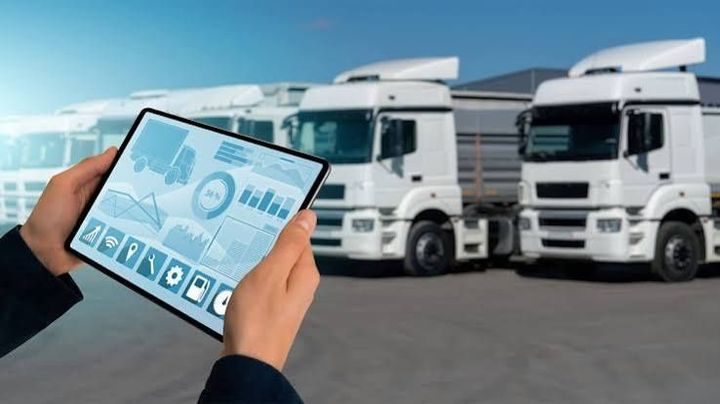
- Performance analytics dashboards
These components work together to provide a clearer picture of daily transportation activities.
How Fleet Telematics Systems Work
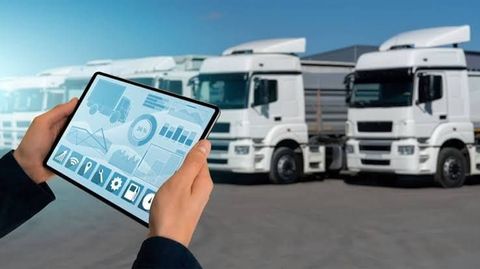
Fleet telematics systems collect information from vehicles through onboard devices and sensors. Data may include vehicle location, speed, engine status, fuel consumption, idle time, and maintenance alerts.
The information is transmitted to centralized platforms where managers can review reports and identify trends. This process helps organizations understand vehicle usage patterns and operational performance without relying solely on manual reporting.
Importance
Vehicle fleet management plays an important role in modern transportation and logistics. As organizations operate more vehicles across larger geographic areas, managing those resources efficiently becomes increasingly challenging.
One major challenge is maintaining visibility across the fleet. Without accurate tracking information, it can be difficult to coordinate schedules, monitor vehicle usage, and respond to unexpected situations. Fleet monitoring systems help address this challenge by providing real-time operational information.
Improving Operational Efficiency
Operational efficiency is one of the primary reasons organizations adopt fleet management software. Data collected from vehicles can help identify opportunities to improve routes, reduce unnecessary driving, and minimize vehicle downtime.
Some common efficiency improvements include:
- Reducing excessive idle time
- Improving route planning
- Coordinating vehicle dispatching
- Scheduling maintenance before breakdowns occur
- Tracking fuel consumption patterns
These improvements can support smoother transportation operations and better resource allocation.
Supporting Fleet Safety Management
Safety remains a major concern for organizations that operate vehicles. Fleet safety management focuses on reducing risks associated with driving activities and vehicle operation.
Fleet management systems can help monitor:
- Harsh braking events
- Rapid acceleration
- Speeding incidents
- Driver fatigue indicators
- Vehicle maintenance status
Access to this information allows organizations to identify patterns and develop safety improvement initiatives.
Benefits for Logistics Operations
Logistics fleet management is particularly important in supply chains where timing and coordination influence overall performance. Delays, route disruptions, and vehicle issues can affect deliveries and operational planning.
Transportation management systems often work alongside fleet management software to coordinate shipments, routes, schedules, and vehicle resources. Together, these tools help improve visibility across transportation networks.
Common Fleet Management Challenges
Organizations frequently encounter challenges such as:
| Challenge | Potential Impact |
|---|---|
| Vehicle downtime | Delayed operations |
| Fuel inefficiency | Increased operating expenses |
| Limited vehicle visibility | Poor planning and coordination |
| Maintenance delays | Higher repair requirements |
| Safety incidents | Operational disruptions |
| Compliance management | Administrative complexity |
Fleet management systems help organizations monitor these areas more effectively and respond to emerging issues.
Recent Updates
The fleet management industry continues to evolve as transportation technology advances. Recent developments have focused on connectivity, automation, sustainability, and data-driven decision-making.
Increased Use of Artificial Intelligence
Artificial intelligence is becoming more common within fleet management software platforms. AI tools can analyze large volumes of vehicle data and identify patterns that may not be immediately visible.
Examples include:
- Predictive maintenance alerts
- Route optimization suggestions
- Driver performance analysis
- Fuel efficiency forecasting
These capabilities support more informed operational decisions.
Expansion of Connected Vehicle Technology
Connected vehicle technology allows vehicles to communicate with centralized platforms and, in some cases, with surrounding infrastructure. This trend has increased the amount of real-time information available to fleet managers.
As communication networks improve, smart fleet management systems are becoming more capable of supporting dynamic transportation operations.
Focus on Sustainability
Many organizations are paying closer attention to environmental performance. Fleet operators are exploring ways to reduce fuel consumption and evaluate alternative vehicle technologies.
Fleet management platforms increasingly include tools that help monitor:
- Fuel usage
- Vehicle emissions
- Route efficiency
- Electric vehicle performance
These features help organizations better understand their transportation-related environmental impact.
Integration with Transportation Management Systems
Transportation management systems and fleet management software are becoming more closely connected. Integrated platforms provide a broader view of transportation activities by linking vehicle operations with shipment planning and logistics coordination.
This trend supports more comprehensive logistics fleet management strategies and improved operational visibility.
Laws or Policies
Fleet management activities are influenced by transportation regulations, vehicle safety requirements, and data protection policies. Specific requirements vary by country and region, but several common regulatory areas affect fleet operations.
Vehicle Safety Regulations
Governments typically establish vehicle inspection standards and maintenance requirements. Fleet operators must ensure that vehicles remain roadworthy and meet applicable safety standards.
Regular maintenance records and inspection documentation often form part of compliance activities.
Driver Compliance Requirements
Many jurisdictions regulate driver working hours, licensing requirements, and operational qualifications. Fleet management systems can help organizations maintain records and monitor compliance-related information.
These requirements are particularly important for commercial fleet management operations involving large vehicle fleets.
Data Protection and Privacy Rules
Fleet telematics systems collect significant amounts of operational data. Depending on the region, organizations may be required to follow privacy regulations governing data collection, storage, and usage.
Policies often address:
- Driver privacy
- Data retention periods
- Information security
- User access controls
Organizations must balance operational monitoring needs with applicable privacy obligations.
Environmental Programs
Some governments have introduced transportation-related environmental initiatives focused on reducing emissions and improving fuel efficiency.
Fleet management tools may assist organizations in measuring vehicle performance and preparing reports required under environmental programs.
Tools and Resources
Various tools and resources support fleet management activities. These resources help organizations monitor vehicles, analyze operational data, and maintain compliance documentation.
Fleet Management Software Platforms
Fleet management software platforms typically provide:
- Vehicle tracking dashboards
- Maintenance scheduling
- Fuel reporting
- Driver monitoring
- Performance analytics
Different platforms may focus on specific industries or fleet sizes.
GPS Tracking Platforms
GPS tracking tools provide location visibility and route history information. These systems help organizations understand vehicle movements and support operational planning.
Maintenance Tracking Templates
Maintenance tracking templates can help organizations organize:
- Inspection schedules
- Repair records
- Maintenance histories
- Vehicle lifecycle information
Structured recordkeeping supports both operational planning and compliance activities.
Mapping and Route Planning Tools
Route planning platforms help identify efficient travel paths and improve scheduling accuracy. These tools are often integrated into larger fleet monitoring systems.
Government Transportation Resources
Transportation authorities frequently publish guidance documents, compliance materials, safety manuals, and operational standards that fleet operators can reference when developing internal procedures.
FAQs
What is a fleet management system?
A fleet management system is a technology-based framework used to monitor, manage, and coordinate groups of vehicles. It typically includes vehicle tracking, maintenance planning, reporting tools, and operational analytics.
How does fleet management software improve efficiency?
Fleet management software helps organizations monitor vehicle activity, optimize routes, track fuel usage, and schedule maintenance. These capabilities support more efficient transportation operations and resource management.
What is the difference between fleet telematics systems and GPS tracking?
GPS tracking primarily focuses on vehicle location. Fleet telematics systems provide broader information, including vehicle performance, engine data, fuel usage, driver behavior, and maintenance indicators.
How does logistics fleet management support supply chains?
Logistics fleet management improves visibility across transportation activities by helping organizations coordinate vehicles, deliveries, schedules, and routes. This supports more efficient movement of goods throughout supply chains.
What should organizations consider when evaluating fleet management software?
Organizations often review factors such as reporting capabilities, vehicle tracking features, integration options, maintenance management tools, data security measures, scalability, and overall compatibility with operational requirements.
Conclusion
Fleet management systems have become important tools for organizations that operate vehicles across transportation and logistics networks. By combining tracking technologies, telematics data, maintenance planning, and operational analytics, these systems help improve visibility into daily fleet activities.
Vehicle fleet management supports efficiency, safety, compliance, and resource planning across a wide range of industries. Ongoing developments in connectivity, artificial intelligence, and transportation technology continue to expand the capabilities of modern fleet management software.
As transportation operations become increasingly data-driven, fleet monitoring systems and transportation management systems play a growing role in helping organizations understand and manage vehicle performance more effectively.