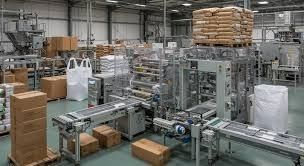
Product Packaging Manufacturers Overview of Design Methods and Packaging Processes
Product packaging manufacturers play an important role in the production and distribution of goods across many industries.
Packaging helps protect products during transportation, storage, and handling while also providing important information to consumers. Over time, packaging has evolved from simple containers and wrapping materials into specialized systems designed for safety, efficiency, and environmental responsibility.
Today, product packaging manufacturers work with a wide range of materials and technologies. These include paper, cardboard, metal, glass, plastics, and flexible materials. Different industries require different packaging solutions, which has led to the growth of custom packaging manufacturers, flexible packaging manufacturers, sustainable packaging manufacturers, plastic packaging manufacturers, food packaging manufacturers, packaging equipment manufacturers, and industrial packaging manufacturers.
Packaging design combines functionality, appearance, and regulatory requirements. Manufacturers must consider product protection, transportation conditions, shelf life, user convenience, and environmental impact. As a result, packaging development often involves collaboration between designers, engineers, material specialists, and production teams.
Common Packaging Types
Several packaging categories are commonly used across industries:
- Rigid packaging such as bottles, jars, cans, and boxes
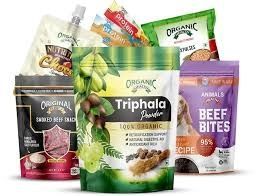
- Flexible packaging such as pouches, films, wraps, and sachets
- Corrugated packaging for shipping and logistics
- Protective packaging for fragile products
- Industrial packaging for bulk transportation and storage
Each category serves specific purposes depending on product characteristics and distribution needs.
Overview of Packaging Processes
Packaging production generally follows a structured process:
| Stage | Purpose |
|---|---|
| Design and Planning | Define package appearance and functionality |
| Material Selection | Choose suitable packaging materials |
| Prototype Development | Create sample versions for testing |
| Testing and Validation | Evaluate durability and performance |
| Manufacturing | Produce packaging at scale |
| Filling and Sealing | Place products into packages |
| Distribution Preparation | Prepare packaged goods for shipment |
These stages help ensure that packaging performs as intended throughout the supply chain.
Importance
Packaging affects businesses, consumers, and the environment. It serves multiple functions beyond simply containing a product.
For consumers, packaging provides product information, safety instructions, ingredient details, usage guidance, and expiration dates when applicable. Clear packaging design helps people identify products and understand how they should be used.
For manufacturers, packaging helps reduce damage during transportation and storage. Effective packaging can improve handling efficiency and support inventory management throughout distribution networks.
Product Protection
One of the primary purposes of packaging is protection. Packaging shields products from physical damage, moisture, contamination, light exposure, and temperature changes.
Food packaging manufacturers, for example, often use specialized materials and sealing methods to help preserve freshness and maintain product quality during transportation and storage.
Supply Chain Efficiency
Packaging contributes to efficient logistics operations. Standardized package sizes and durable materials can simplify warehousing, transportation, and retail display processes.
Industrial packaging manufacturers often design solutions for heavy machinery components, chemicals, construction materials, and other products that require additional protection during movement through supply chains.
Environmental Considerations
Environmental concerns have increased attention on packaging waste and resource use. Sustainable packaging manufacturers focus on materials and designs that reduce environmental impact through recyclability, reusability, compostability, or reduced material consumption.
Many organizations now evaluate packaging based on both performance and sustainability objectives.
Recent Updates
Packaging technologies and manufacturing methods continue to evolve. Several trends have influenced the packaging industry between 2024 and 2026.
Growth of Sustainable Packaging
Sustainable packaging remains a major focus across many sectors. Manufacturers are exploring alternatives to traditional materials, including recycled content, fiber-based packaging, and biodegradable materials where appropriate.
Sustainable packaging manufacturers are also working to reduce unnecessary packaging layers and improve material recovery after use.
Expansion of Flexible Packaging
Flexible packaging continues to gain attention due to its lightweight structure and efficient use of materials. Flexible packaging manufacturers have expanded the use of pouches, films, and resealable formats across food, household, and personal care categories.
Advances in barrier technologies have improved the ability of flexible materials to protect products from moisture and oxygen exposure.
Increased Automation
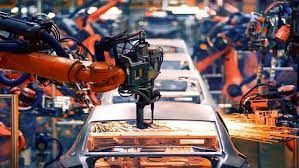
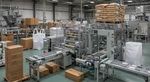
Packaging facilities are adopting packaging automation systems to improve consistency and operational efficiency. Automation can support activities such as:
- Filling
- Sealing
- Labeling
- Inspection
- Sorting
- Palletizing
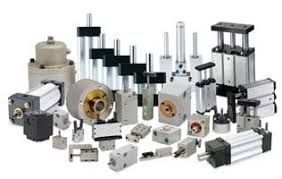
Packaging equipment manufacturers continue to develop automated machinery that integrates with digital production systems.
Smart Packaging Technologies
Some manufacturers are incorporating digital features into packaging. Examples include QR codes, traceability systems, and interactive product information tools.
These technologies can help improve supply chain visibility and provide additional information to consumers through mobile devices.
Data-Driven Production
Modern packaging facilities increasingly use sensors and monitoring technologies to track production performance. Data collection can help identify quality issues and support maintenance planning for packaging equipment.
Laws or Policies
Packaging is influenced by regulations that vary by country and industry. Governments often establish rules related to product safety, labeling, environmental protection, and waste management.
Product Labeling Requirements
Many countries require packaging to display specific information, including:
- Product name
- Manufacturer details
- Ingredients when applicable
- Safety warnings
- Usage instructions
- Net quantity
- Expiration or production information where required
Food packaging manufacturers must often comply with additional food safety and labeling standards.
Environmental Regulations
Many governments have introduced policies aimed at reducing packaging waste. These may include:
- Recycling targets
- Extended producer responsibility programs
- Restrictions on certain materials
- Waste reduction initiatives
- Packaging recovery requirements
These policies influence material selection and packaging design decisions.
Transportation and Safety Standards
Certain products require packaging that meets transportation safety requirements. Hazardous materials, chemicals, pharmaceuticals, and industrial goods may be subject to specific packaging regulations.
Industrial packaging manufacturers often design packaging systems that comply with transportation and storage standards established by regulatory authorities.
Packaging Machinery Standards
Packaging equipment manufacturers must generally follow machinery safety requirements and workplace regulations. These standards are intended to reduce operational risks and support safe manufacturing environments.
Tools and Resources
A variety of tools and resources support packaging design, manufacturing, and evaluation.
Design Software
Packaging designers commonly use software applications for structural design, graphics creation, and prototype development. These tools help visualize packaging concepts before production begins.
Examples include:
- Adobe Illustrator
- ArtiosCAD
- SolidWorks
- Esko packaging software
Sustainability Assessment Tools
Organizations may use environmental assessment tools to compare packaging options and evaluate material impacts throughout a product's lifecycle.
These tools can assist sustainable packaging manufacturers in assessing resource use, waste generation, and recyclability.
Packaging Calculators
Packaging calculators can help estimate:
- Material requirements
- Package dimensions
- Shipping efficiency
- Pallet utilization
- Storage capacity
Such calculations support planning and logistics decisions.
Industry Organizations and Information Resources
Several organizations publish educational resources related to packaging technology, sustainability, and regulations.
Examples include:
- Packaging industry associations
- Standards organizations
- Environmental agencies
- Food safety authorities
- Manufacturing research institutions
These resources provide technical guidance and updates on industry developments.
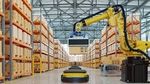
Packaging Automation Systems
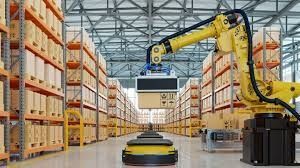
Packaging automation systems integrate machinery, software, and monitoring technologies to coordinate packaging operations. These systems may include:
- Automated filling equipment
- Robotic handling systems
- Vision inspection tools
- Conveyor networks
- Production monitoring software
Automation can help improve consistency across packaging processes while supporting production efficiency.
FAQs
What do product packaging manufacturers do?
Product packaging manufacturers design and produce packaging used to contain, protect, transport, and present products. Their work may involve material selection, package design, testing, and manufacturing.
How are custom packaging manufacturers different from standard packaging producers?
Custom packaging manufacturers develop packaging tailored to specific product requirements, dimensions, branding needs, or transportation conditions, while standard packaging producers often manufacture commonly used packaging formats.
Why are flexible packaging manufacturers becoming more common?
Flexible packaging manufacturers support growing demand for lightweight packaging formats such as pouches, films, and wraps. These formats can reduce material usage and improve transportation efficiency in many applications.
What is the role of sustainable packaging manufacturers?
Sustainable packaging manufacturers focus on developing packaging solutions that reduce environmental impact through material selection, recyclability, resource efficiency, and waste reduction strategies.
What are packaging automation systems?
Packaging automation systems combine machinery, robotics, sensors, and software to automate packaging activities such as filling, sealing, labeling, inspection, and palletizing.
Conclusion
Packaging is an essential part of modern manufacturing and distribution. Product packaging manufacturers support a wide range of industries through packaging design, material development, production processes, and equipment technologies. Advances in sustainability, automation, and digital tools continue to influence how packaging is developed and used. Understanding packaging methods and processes helps explain how products are protected, transported, and presented throughout the supply chain.