Industrial Logistics Systems Guide: Understanding Modern Material Flow and Operations
Industrial logistics systems are organized frameworks that help move materials, products, and information throughout manufacturing plants, warehouses, distribution centers, and transportation networks.
These systems have developed over time as industries expanded and supply chains became more complex. Their purpose is to ensure that materials reach the right place at the right time while maintaining efficiency and accuracy.
In the past, logistics operations relied heavily on manual recordkeeping, paper documentation, and human coordination. As production volumes increased, organizations began adopting digital tools and structured processes to improve visibility and control. This transition led to the development of industrial logistics systems that connect different stages of material movement.
Today, industrial logistics systems include a combination of software platforms, tracking technologies, warehouse equipment, and communication tools. These systems help coordinate inventory storage, transportation planning, order fulfillment, and distribution activities. They are commonly used across manufacturing, retail, healthcare, food processing, construction, and many other sectors.
Several specialized systems work together within a logistics environment. Logistics management systems help oversee operations, warehouse logistics systems support inventory handling, transportation management systems coordinate shipments, freight management systems organize cargo movement, and distribution management systems guide product allocation. Together, these tools contribute to a more connected and organized supply chain.
The growth of digital technologies has also encouraged the development of smart logistics systems and logistics automation systems. These solutions use data, sensors, and automated processes to improve decision-making and operational efficiency. As global supply chains continue to evolve, industrial logistics systems remain an essential part of material flow and operations management.
Importance
Supporting Efficient Material Movement
Industrial operations depend on a continuous flow of materials. Delays in receiving raw materials or shipping finished products can disrupt production schedules and affect availability. Industrial logistics systems help coordinate these activities and reduce operational interruptions.
By monitoring inventory levels and shipment status, organizations can identify potential issues before they create larger disruptions. This visibility helps improve planning and resource allocation throughout the supply chain.
Improving Warehouse Operations
Warehouse logistics systems play an important role in inventory management. These systems help track stock locations, monitor storage capacity, and manage incoming and outgoing goods.
Some common warehouse functions supported by these systems include:
- Inventory tracking
- Receiving and put-away operations
- Picking and packing processes
- Storage optimization
- Shipment preparation
Accurate warehouse operations help reduce errors and improve product availability.
Enhancing Transportation Planning
Transportation management systems help coordinate the movement of goods between locations. They assist with route planning, shipment scheduling, carrier selection, and delivery monitoring.
Efficient transportation planning can help reduce delays and improve coordination between suppliers, warehouses, and customers. It also supports better visibility into shipment progress.
Managing Freight and Distribution
Freight management systems focus on cargo movement across various transportation modes such as road, rail, air, and sea. These systems help organize documentation, shipment tracking, and freight planning.
Distribution management systems support the allocation of products from warehouses to regional locations or end users. Their role becomes increasingly important when organizations operate across multiple geographic regions.
Addressing Modern Supply Chain Challenges
Modern supply chains face numerous challenges, including:
- Demand fluctuations
- Inventory shortages
- Transportation disruptions
- Labor availability concerns
- Regulatory compliance requirements
- Environmental sustainability goals
Industrial logistics systems help organizations respond more effectively to these challenges by providing better visibility and coordination.
Overview of Major Logistics Systems
| System Type | Primary Function |
|---|---|
| Logistics Management Systems | Coordinate overall logistics operations |
| Warehouse Logistics Systems | Manage storage and inventory activities |
| Transportation Management Systems | Plan and monitor transportation processes |
| Freight Management Systems | Organize cargo movement and documentation |
| Distribution Management Systems | Control product distribution networks |
| Logistics Automation Systems | Automate repetitive logistics tasks |
| Smart Logistics Systems | Use digital technologies for real-time decision-making |
Recent Updates
Increased Automation Across Operations
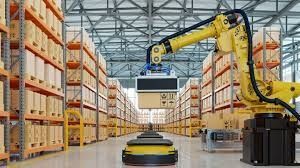
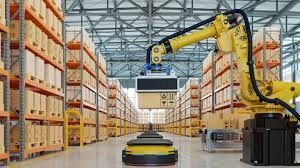
A major trend in recent years has been the wider adoption of logistics automation systems. Warehouses and distribution centers increasingly use automated storage equipment, robotic picking technologies, and automated sorting solutions.
Automation helps reduce manual handling and improves consistency in repetitive processes. It also supports faster processing of inventory and shipments.
Growth of Smart Logistics Systems
Smart logistics systems continue to expand through the use of connected devices and real-time data collection. Sensors, tracking devices, and communication networks provide greater visibility into material movement.
These systems can monitor equipment conditions, shipment status, storage environments, and inventory levels. The resulting information helps organizations make more informed operational decisions.
Greater Use of Data Analytics
Data analytics has become an important component of logistics management systems. Advanced reporting tools help organizations identify trends, forecast demand, and evaluate operational performance.
Analytics can assist with:
- Inventory forecasting
- Route optimization
- Capacity planning
- Resource utilization
- Performance measurement
This information supports continuous improvement efforts across logistics operations.
Expansion of Digital Integration
Organizations increasingly connect warehouse logistics systems, transportation management systems, and freight management systems through integrated digital platforms.
This integration creates a more unified view of supply chain activities. Information can move between systems more efficiently, reducing duplication and improving coordination.
Focus on Sustainability
Environmental considerations are influencing logistics strategies worldwide. Organizations are examining ways to reduce fuel consumption, improve transportation efficiency, and minimize waste.
Many industrial logistics systems now include reporting features that help track environmental performance indicators related to transportation and distribution activities.
Laws or Policies
Transportation and Safety Regulations
Industrial logistics operations are influenced by transportation safety regulations established by national and regional authorities. These regulations govern vehicle operation, cargo handling, driver requirements, and transportation documentation.
Compliance helps promote safe movement of goods throughout transportation networks.
Customs and Trade Requirements
International logistics activities must comply with customs procedures and trade regulations. These requirements often include documentation standards, import and export declarations, and product classification rules.
Industrial logistics systems frequently assist with recordkeeping and document management related to these processes.
Data Protection and Cybersecurity Requirements
As logistics operations become more digital, data protection requirements have become increasingly important. Organizations that collect and process logistics information must follow applicable privacy and cybersecurity regulations.
Secure handling of operational data helps protect business information and maintain system reliability.
Environmental Regulations
Many countries have introduced environmental policies related to transportation emissions, fuel efficiency, and sustainability reporting. Logistics organizations may need to monitor and report environmental performance indicators as part of regulatory compliance efforts.
Workplace Safety Standards
Warehouses, distribution centers, and transportation facilities are subject to workplace safety requirements. These standards address equipment operation, material handling practices, employee training, and facility management.
Warehouse logistics systems often support documentation and operational procedures that contribute to safety management.
Tools and Resources
Various digital tools help support industrial logistics operations and improve visibility throughout the supply chain.
Enterprise Resource Planning Platforms
Enterprise Resource Planning (ERP) platforms integrate logistics information with production, procurement, inventory, and financial data. They provide a centralized view of operational activities.
Warehouse Management Software
Warehouse management software supports inventory control, storage optimization, receiving processes, and shipment preparation. These tools often work alongside warehouse logistics systems to improve operational accuracy.
Transportation Planning Platforms
Transportation planning tools assist with route scheduling, shipment coordination, and carrier management. Many transportation management systems include these capabilities within a single platform.
Shipment Tracking Resources
Tracking platforms help monitor cargo movement across transportation networks. They provide visibility into shipment status and estimated arrival information.
Inventory and Capacity Calculators
Inventory calculators and capacity planning tools help organizations estimate storage requirements, inventory turnover rates, and warehouse utilization levels.
Examples of commonly used resources include:
- Inventory turnover calculators
- Warehouse capacity templates
- Transportation planning software
- Shipment tracking platforms
- Supply chain analytics dashboards
- Demand forecasting tools
Data Visualization Platforms
Data visualization tools transform operational information into charts, dashboards, and reports. These resources help users interpret logistics performance metrics and identify trends.
FAQs
What are industrial logistics systems?
Industrial logistics systems are structured processes and technologies that manage the movement, storage, and distribution of materials and products throughout supply chains, warehouses, and transportation networks.
How do logistics management systems improve operations?
Logistics management systems help coordinate inventory, transportation, warehousing, and distribution activities. They improve visibility, support planning, and assist with operational decision-making.
What is the difference between warehouse logistics systems and transportation management systems?
Warehouse logistics systems focus on inventory storage, handling, and warehouse activities. Transportation management systems concentrate on shipment planning, routing, transportation coordination, and delivery tracking.
How do logistics automation systems support supply chains?
Logistics automation systems automate repetitive tasks such as sorting, inventory tracking, picking, and shipment processing. This can improve operational consistency and efficiency.
What are smart logistics systems?
Smart logistics systems use connected technologies, sensors, data analytics, and digital communication tools to provide real-time visibility and support informed decision-making across logistics operations.
Conclusion
Industrial logistics systems play a central role in managing material flow across manufacturing facilities, warehouses, transportation networks, and distribution channels. Various solutions, including logistics management systems, warehouse logistics systems, transportation management systems, freight management systems, and distribution management systems, support different stages of supply chain operations. Recent developments have increased the use of automation, digital integration, and data analytics within logistics environments. As supply chains continue to evolve, these systems remain important tools for organizing and monitoring the movement of goods and information.