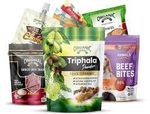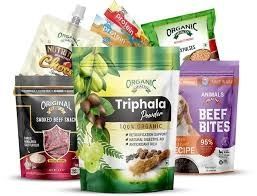
Packaging Design Guide: Key Elements for Strong Branding and Product Presentation
Packaging plays an important role in how products are presented, protected, and recognized.
From food containers and cosmetic boxes to shipping cartons used in online retail, packaging has evolved far beyond its original function of protecting goods during transportation. Today, packaging is often considered a key part of a product’s identity and customer experience.
The growth of packaging design services has helped businesses create packaging that aligns with product requirements, brand identity, consumer expectations, and regulatory standards. Whether it involves custom packaging design for a new product line or ecommerce packaging design for online distribution, packaging is now an important communication tool.
Product packaging design combines visual elements, structural planning, materials, labeling requirements, and usability considerations. Different industries have different needs. For example, food packaging design services focus heavily on safety and ingredient information, while cosmetic packaging design often emphasizes appearance, product information, and user convenience.
As consumer expectations continue to change, areas such as sustainable packaging design, luxury packaging design, packaging prototype design, and smart packaging design have become increasingly relevant across many industries.
Importance
Packaging affects both businesses and consumers in several ways. It helps products remain protected throughout storage, transportation, and handling while also providing important information about the contents.
Consumer Communication
Packaging serves as a direct communication channel between manufacturers and consumers. Information commonly displayed includes:
- Product names and descriptions
- Ingredients or materials
- Usage instructions
- Safety warnings
- Manufacturing details
- Recycling information
Clear packaging design helps consumers understand products more easily and make informed decisions.
Brand Recognition
Consistent visual presentation helps products become recognizable. Colors, typography, logos, shapes, and graphic elements work together to create a distinct appearance. Custom packaging design often focuses on maintaining consistency across multiple product lines.
Product Protection
Packaging must protect products from damage, contamination, moisture, light exposure, and other environmental factors. Product packaging design therefore involves both aesthetics and functionality.
Ecommerce Growth
The expansion of online shopping has increased the importance of ecommerce packaging design. Products often travel through multiple transportation stages before reaching consumers. Packaging must withstand handling while maintaining a positive unboxing experience.
Sustainability Concerns
Many consumers are paying greater attention to environmental impact. Sustainable packaging design addresses concerns such as material usage, recyclability, waste reduction, and resource efficiency.
Recent Updates
The packaging industry continues to evolve as consumer preferences, technology, and environmental priorities change.
Increased Focus on Sustainability
Sustainable packaging design remains one of the most discussed developments. Companies increasingly explore recyclable materials, biodegradable alternatives, lightweight packaging structures, and reduced material usage.
Common sustainability approaches include:
- Recycled paper-based materials
- Reduced plastic content
- Reusable packaging systems
- Minimalist packaging structures
- Improved recycling instructions
Growth of Smart Packaging
Smart packaging design has expanded through the integration of digital technologies. Packaging may include QR codes, near-field communication (NFC) features, or tracking technologies that provide additional product information.
Examples include:
- Product authentication tools
- Supply chain tracking
- Interactive consumer information
- Digital product manuals
- Freshness monitoring systems
Improved Packaging Prototyping
Packaging prototype design has become more accessible through digital modeling and advanced printing technologies. Designers can evaluate structural performance and visual appearance before large-scale production.
Personalization Trends
Many brands now explore packaging designs tailored to specific audiences, product variations, or seasonal collections. This trend is particularly visible in ecommerce packaging design and cosmetic packaging design.
Premium Presentation
Luxury packaging design continues to emphasize material quality, structural detail, and visual refinement. Premium packaging often focuses on enhancing product presentation while maintaining practical functionality.
Packaging Trend Comparison
| Trend Area | Main Objective | Common Features |
|---|---|---|
| Sustainable Packaging Design | Reduce environmental impact | Recyclable materials, waste reduction |
| Smart Packaging Design | Improve information access | QR codes, tracking features |
| Ecommerce Packaging Design | Support shipping needs | Durable structures, protective inserts |
| Luxury Packaging Design | Enhance presentation | Premium materials, detailed finishes |
| Packaging Prototype Design | Test concepts before production | Digital models, sample packaging |
| Custom Packaging Design | Create unique product identity | Tailored graphics and structures |
Laws or Policies
Packaging design is influenced by various regulations that help ensure consumer safety, product transparency, and environmental responsibility. Requirements differ depending on the country and product category.
Product Labeling Requirements
Many countries require packaging to include specific information, such as:
- Product name
- Net quantity
- Manufacturer details
- Ingredient information
- Expiration dates where applicable
- Safety instructions
Food packaging design services and cosmetic packaging design projects often involve detailed labeling requirements.
Environmental Regulations
Governments increasingly introduce policies aimed at reducing packaging waste. These measures may include:
- Recycling requirements
- Material restrictions
- Waste reduction targets
- Extended producer responsibility programs
Sustainable packaging design frequently considers these regulatory developments.
Food Packaging Standards
Food packaging must meet safety standards intended to prevent contamination and protect product quality. Materials that come into contact with food are often subject to additional requirements.
Cosmetic Packaging Rules
Cosmetic packaging typically requires ingredient disclosure, usage information, warnings, and manufacturer identification. Regulatory requirements vary across regions but generally focus on consumer protection and transparency.
Transportation and Shipping Standards
Certain products, including fragile goods and hazardous materials, may require specialized packaging that complies with transportation regulations.
Tools and Resources
Various tools and platforms help designers, manufacturers, and product teams create and evaluate packaging concepts.
Design Software
Popular design platforms include:
- Adobe Illustrator
- Adobe Photoshop
- CorelDRAW
- Affinity Designer
- Esko packaging software
These tools are commonly used for visual layout development and artwork preparation.
3D Modeling Platforms
Packaging prototype design often uses:
- Blender
- Fusion
- SolidWorks
- ArtiosCAD
These applications help create digital package models and structural concepts.
Mockup Generators
Mockup tools allow designers to visualize packaging concepts before production. They are useful for evaluating branding, layout, and presentation.
Sustainability Assessment Resources
Environmental assessment tools help teams evaluate:
- Material usage
- Recyclability
- Packaging weight
- Carbon impact estimates
Such resources support sustainable packaging design initiatives.
QR Code and Digital Packaging Tools
Smart packaging design frequently incorporates QR code generators, product information systems, and digital content management platforms.
Regulatory Information Sources
Government agencies, standards organizations, and industry associations often publish packaging guidelines, labeling requirements, and compliance resources that help organizations stay informed.
FAQs
What is product packaging design?
Product packaging design is the process of creating the visual appearance, structure, materials, and informational elements used to package a product. It combines functionality, protection, branding, and communication.
How does custom packaging design differ from standard packaging?
Custom packaging design is created specifically for a product or brand. It may include unique dimensions, graphics, materials, or structural features rather than using generic packaging formats.
Why is sustainable packaging design becoming more common?
Sustainable packaging design addresses concerns related to waste reduction, recyclability, resource efficiency, and environmental impact. Consumer awareness and evolving regulations have contributed to its growing importance.
What is involved in cosmetic packaging design?
Cosmetic packaging design includes container selection, labeling, branding elements, ingredient disclosure, usability considerations, and compliance with applicable cosmetic regulations.
How does smart packaging design work?
Smart packaging design incorporates technologies such as QR codes, NFC tags, sensors, or tracking systems that provide additional information, authentication features, or product monitoring capabilities.
Conclusion
Packaging design combines product protection, communication, branding, and user experience into a single system. Different approaches, including custom packaging design, luxury packaging design, ecommerce packaging design, sustainable packaging design, and smart packaging design, address different product and market requirements. Regulatory considerations, technological developments, and environmental priorities continue to shape packaging decisions. Understanding these elements helps explain why packaging remains an important part of modern product presentation and distribution.