Industrial Cutting Machines Guide for Beginners and Modern Manufacturing Overview
Industrial cutting machines are specialized systems used to shape, slice, or separate materials into precise sizes and forms. These machines are widely applied across manufacturing sectors such as metal fabrication, automotive, construction, textiles, and electronics. Their purpose is to improve accuracy, reduce manual effort, and ensure consistency in production processes.
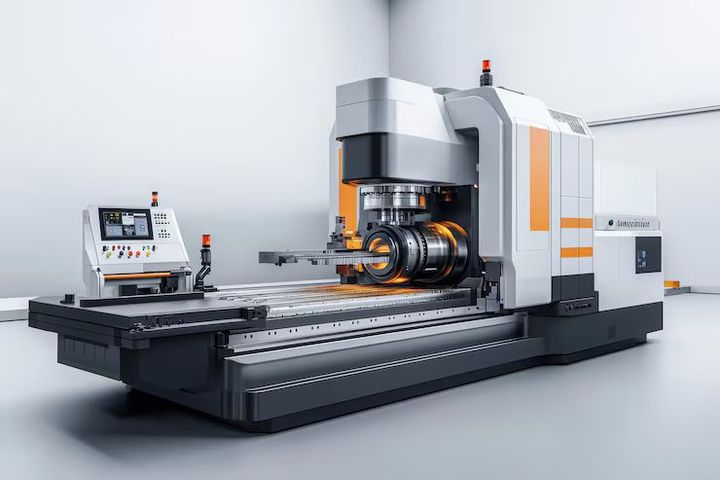
Industrial cutting machines have evolved from simple mechanical tools to advanced automated systems powered by technologies such as CNC (Computer Numerical Control), laser cutting, and waterjet cutting. These advancements allow industries to handle complex designs and materials with higher efficiency and minimal waste.
Common types of industrial cutting machines include:
- Laser cutting machines
- Plasma cutting systems
- Waterjet cutting machines
- CNC milling and cutting machines
- Shearing machines
Each type is designed for specific materials and precision levels, making them essential in modern industrial workflows.
Importance of Industrial Cutting Machines in Modern Industries
Industrial cutting machines are vital for improving productivity, quality, and safety in manufacturing environments. Their significance has grown due to increasing demand for precision engineering and large-scale production.
Key Reasons They Matter Today
- Precision and Accuracy: Achieve extremely fine tolerances, critical for aerospace and electronics
- Efficiency and Speed: Automated systems reduce production time and increase output
- Material Optimization: Advanced cutting techniques minimize waste for sustainable manufacturing
- Workplace Safety: Automation lowers the risk of manual handling injuries
- Versatility: Can process metals, plastics, wood, and composites
Industries That Benefit
- Automotive manufacturing
- Construction and infrastructure
- Metal fabrication
- Textile production
- Electronics and semiconductor industries
Recent Updates and Trends in Industrial Cutting Machines
Industrial cutting technologies are advancing rapidly, driven by automation, digital transformation, and sustainability goals.
Key Trends in 2025–2026
- AI and Smart Systems (2025): Optimize cutting paths, reduce errors, and predict maintenance needs
- Growth of Laser Cutting Technology (2025): Fiber lasers offer faster speeds and lower energy consumption
- Industry 4.0 Integration (2025–2026): Machines connected to IoT networks for real-time monitoring
- Sustainability Focus (2026): Eco-friendly cutting methods like waterjet reduce material distortion
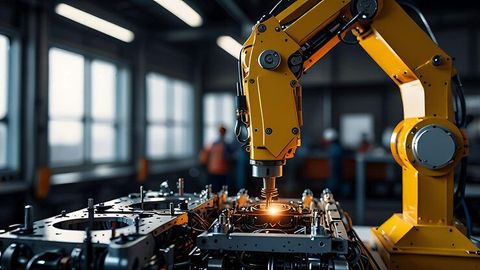
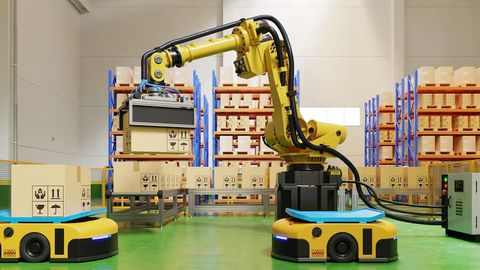
- Automation and Robotics Expansion (2025): Robotic arms improve flexibility in production lines
Comparison of Popular Cutting Technologies
| Cutting Method | Material Suitability | Precision Level | Heat Impact | Typical Use Case |
|---|---|---|---|---|
| Laser Cutting | Metals, plastics | High | Medium | Sheet metal work |
| Plasma Cutting | Conductive metals | Medium | High | Heavy fabrication |
| Waterjet Cutting | Almost all materials | Very High | None | Precision parts |
| CNC Cutting | Multiple materials | High | Low | Complex designs |
Laws, Regulations, and Industrial Policies
Industrial cutting machines are subject to safety standards and regulatory frameworks to ensure safe operation and environmental compliance.
Key Regulations in India
- Factories Act, 1948: Regulates machinery operation and worker protection
- Bureau of Indian Standards (BIS): Provides quality and safety standards
- Occupational Safety, Health and Working Conditions Code (2020): Enhances safety measures in industrial environments
- Make in India Initiative: Promotes adoption of advanced manufacturing technologies
- Environmental Regulations: Govern emissions, waste disposal, and energy efficiency
Compliance with these regulations is essential to maintain safe and efficient operations.
Tools, Software, and Resources for Industrial Cutting Machines
A variety of digital tools help design, simulate, monitor, and maintain cutting machines for optimal performance.
Common Tools
- CAD Software (Computer-Aided Design): Designs parts and components before cutting
- CAM Software (Computer-Aided Manufacturing): Converts design files into machine instructions
- Simulation Tools: Test cutting processes before production
- IoT Monitoring Systems: Track machine performance in real-time
- Maintenance Management Software: Schedule preventive maintenance and reduce downtime
Example Workflow
| Step | Tool Used | Purpose |
|---|---|---|
| Design | CAD Software | Create digital model |
| Programming | CAM Software | Generate cutting path |
| Simulation | Simulation Tools | Test accuracy |
| Execution | CNC Machine | Perform cutting |
| Monitoring | IoT Dashboard | Track performance |
These resources improve productivity and ensure consistent output quality.
FAQs
What are industrial cutting machines used for?
They cut, shape, or trim materials into specific sizes and designs for manufacturing and production purposes.
Which cutting machine is most precise?
Waterjet and laser cutting machines are highly precise, especially for detailed and complex designs.
What materials can be processed using these machines?
Materials include metals, plastics, wood, glass, textiles, and composites depending on machine type.
How does CNC cutting differ from manual cutting?
CNC cutting uses computer-controlled systems for accuracy and repeatability, while manual cutting relies on human operation.
Are industrial cutting machines energy efficient?
Modern machines, particularly fiber lasers, are designed to be more energy-efficient compared to older technologies.
Conclusion
Industrial cutting machines are fundamental to modern manufacturing, enabling precise, efficient, and scalable production processes. Integration of AI, IoT, and automation continues to evolve these machines to meet complex industrial needs.
Understanding types, applications, and supporting tools helps industries improve productivity while maintaining quality and safety. As regulations and sustainability goals become more prominent, advanced and eco-friendly cutting solutions will see greater adoption.