Industrial dust collectors are systems designed to capture and separate airborne particles generated during manufacturing, processing, and material handling. These particles can include metal dust, wood dust, cement particles, chemical powders, and other fine materials released into the air during routine industrial activity.
The need for dust separation methods grew alongside industrial expansion. As factories increased output, airborne dust became a visible issue affecting indoor air quality, equipment reliability, and worker environments. Dust collectors exist to manage this by removing particulate matter from air streams before it spreads within facilities or exits through exhaust systems.
At a basic level, dust collectors work by drawing contaminated air into a unit, separating solid particles using physical or electrical principles, and releasing cleaner air. Different separation methods are used depending on particle size, dust characteristics, and operating conditions.
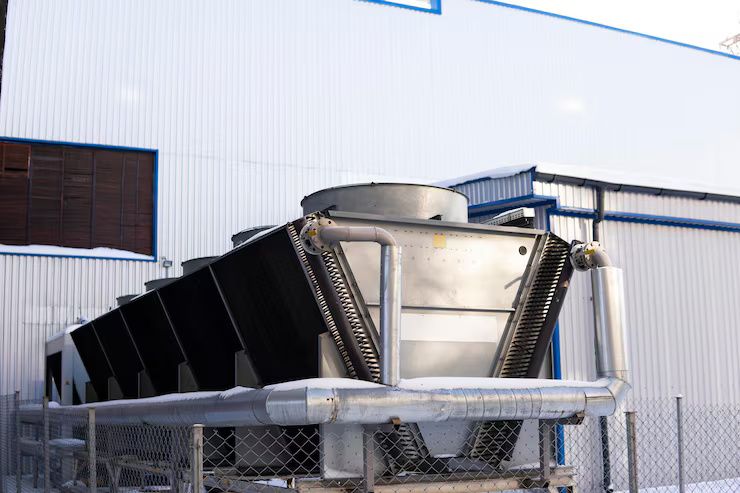
Importance
Industrial dust control matters today more than ever due to tighter environmental expectations, higher production volumes, and increased awareness of air quality risks. Dust collectors play a key role in maintaining safer and more predictable industrial environments.
Key reasons this topic matters include:
-
Workplace air quality: Fine particles can remain suspended in the air and may affect breathing comfort and visibility.
-
Equipment protection: Dust accumulation can interfere with motors, sensors, and control systems.
-
Process consistency: Controlled environments help maintain stable production conditions.
-
Environmental compliance: Many regions regulate particulate emissions released into the atmosphere.
Industries commonly affected include:
-
Metal fabrication and foundries
-
Cement and construction material production
-
Woodworking and furniture manufacturing
-
Chemical and pharmaceutical processing
-
Food and grain handling facilities
By understanding dust separation methods, organizations can select appropriate systems for their operational needs and regulatory environments.
Common Dust Separation Methods Overview
Different dust collectors rely on distinct physical principles. The table below summarizes widely used methods and their basic characteristics.
| Separation Method | Core Principle | Typical Particle Range | Common Applications |
|---|---|---|---|
| Cyclone Separation | Centrifugal force | Medium to large particles | Pre-cleaning stages |
| Fabric Filtration | Physical filtering through media | Fine particles | Manufacturing plants |
| Electrostatic Precipitation | Electrical charging | Very fine particles | Power and process industries |
| Wet Scrubbing | Liquid capture | Sticky or combustible dust | Chemical processing |
Recent Updates
Over the past year, industrial dust collection has seen gradual but meaningful developments focused on efficiency, monitoring, and energy optimization.
2024 trends and updates include:
-
Smart monitoring integration (2024): Sensors and digital controllers are increasingly used to track airflow, pressure drop, and filter condition in real time.
-
Energy-efficient fan designs (2024): Updated fan geometries aim to reduce power consumption while maintaining airflow performance.
-
Improved filter media materials (late 2023–2024): Advances in synthetic and coated fabrics have increased durability and fine particle capture.
-
Emission reporting alignment (2024): More facilities are aligning dust data with digital environmental reporting frameworks.
These updates reflect a broader shift toward data-driven environmental management and operational transparency.
Laws or Policies
Industrial dust collection is influenced by environmental and occupational regulations that vary by country. In the United States, air quality and workplace exposure rules shape how dust collectors are designed and operated.
Key regulatory influences include:
-
Occupational Safety and Health Administration (OSHA): Sets permissible exposure limits for airborne particulates in work environments.
-
Environmental Protection Agency (EPA): Regulates particulate matter emissions released into outdoor air.
-
State-level air quality programs: May impose additional particulate monitoring or reporting requirements.
In the European Union, industrial dust emissions are influenced by the Industrial Emissions Directive (IED), while other regions follow national clean air acts or occupational safety frameworks.
These policies do not mandate a single dust separation method but establish performance expectations that systems must meet.
Tools and Resources
Several practical tools and platforms help explain, evaluate, and manage dust collection systems without promotional framing.
Helpful resources include:
-
Airflow calculation spreadsheets: Used to estimate required air volume and duct sizing.
-
Pressure drop calculators: Assist in understanding resistance across filters and ducts.
-
Emission factor databases: Provide reference data for particulate generation by industry type.
-
Maintenance planning templates: Support routine inspection scheduling and filter change tracking.
-
Educational platforms from standards bodies: Offer technical documents and guidance notes on particulate control.
These resources support informed decision-making and system understanding using standardized technical information.
Dust Collection System Components at a Glance
| Component | Function |
|---|---|
| Inlet hood | Captures dust at the source |
| Ductwork | Transports dust-laden air |
| Separator unit | Removes particles from airflow |
| Filter media | Traps fine particulates |
| Fan or blower | Maintains airflow |
| Discharge outlet | Releases cleaned air |
FAQs
What types of dust can industrial dust collectors handle?
Industrial dust collectors are designed for dry particulates such as metal shavings, mineral dust, wood particles, and process powders. The specific capability depends on the separation method and filter media used.
How do cyclone dust collectors differ from baghouse systems?
Cyclone collectors use centrifugal force to separate heavier particles, while baghouse systems rely on fabric filters to capture fine dust. Cyclones are often used as a pre-separation stage.
Are dust collectors used indoors or outdoors?
Both configurations exist. Indoor units focus on workspace air quality, while outdoor units are often used for large-volume industrial exhaust management.
How often do filters need attention?
Filter maintenance intervals vary based on dust load, airflow rate, and operating hours. Monitoring pressure drop helps indicate when attention is needed.
Do dust collectors remove gases as well as particles?
Standard dust collectors focus on solid particles. Gas-phase contaminants typically require different air treatment technologies.
Conclusion
Industrial dust collectors play an essential role in managing airborne particulates generated by modern industrial activity. By applying proven dust separation methods such as cyclone action, filtration, electrostatic charging, and wet capture, these systems help maintain cleaner air pathways and more stable operating environments.
Understanding how each method works, along with recent technical updates and regulatory influences, allows readers to approach this topic with clarity. As industries continue to evolve, dust collection remains a foundational element of responsible and efficient industrial operations, supported by data-driven tools and clear technical knowledge.