Industrial gas equipment refers to machines and systems used to produce, process, store, transport, and control gases such as oxygen, nitrogen, hydrogen, natural gas, and specialty gases. These machines exist to make gases usable at scale, safely and consistently, across manufacturing, energy, healthcare, chemicals, and infrastructure.
Gas machinery developed alongside industrialization, when manual handling of gases became impractical and unsafe. Over time, advances in metallurgy, automation, and control systems shaped today’s gas processing machinery, including compressors, cryogenic units, pressure vessels, valves, pipelines, and monitoring instruments. Together, these components enable precise gas flow, pressure regulation, and temperature control—core requirements in modern industry.
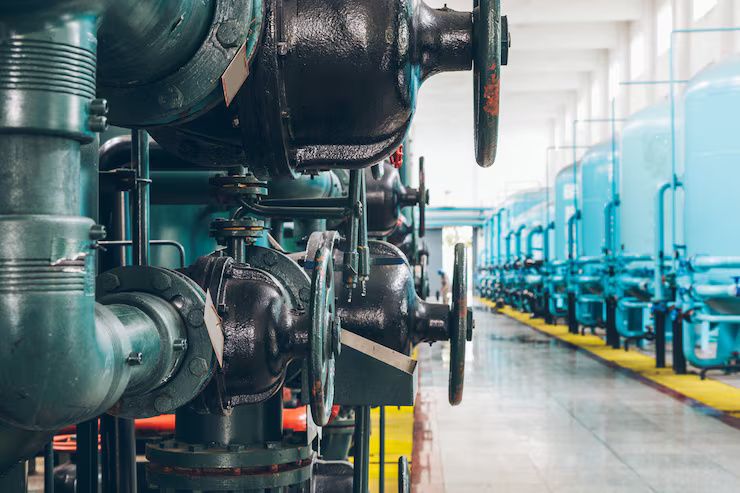
Importance
Industrial gas equipment matters because gases are foundational inputs across many sectors. Reliable machinery ensures continuity, safety, and efficiency where gas use is critical.
Key reasons this topic matters today include:
-
Operational continuity: Gas compressors, storage tanks, and control systems support uninterrupted production in factories and plants.
-
Safety and compliance: Proper gas handling equipment reduces risks such as leaks, explosions, and contamination.
-
Energy transition: Hydrogen systems, biogas processing units, and advanced burners support cleaner energy pathways.
-
Healthcare and laboratories: Medical oxygen systems and specialty gas equipment enable diagnostics, research, and treatment.
-
Infrastructure scale: Urbanization and industrial growth increase demand for robust gas distribution machinery.
Industries affected include manufacturing, power generation, oil and gas, pharmaceuticals, food processing, electronics, and research facilities. The main problems solved are pressure instability, unsafe handling, inconsistent gas purity, and inefficient energy use.
Recent Updates
The past year has seen notable shifts in industrial gas equipment driven by digitalization, safety priorities, and energy trends.
-
2025: Wider adoption of smart gas monitoring systems using IoT sensors to track pressure, flow, and leak detection in real time.
-
Late 2024: Increased deployment of hydrogen-ready compressors and valves as pilot hydrogen projects expanded globally.
-
2024: Updates to international standards focusing on pressure vessel inspection intervals and digital recordkeeping.
-
Ongoing trend: Integration of predictive maintenance using data analytics to reduce unplanned shutdowns.
These updates reflect a broader move toward automation, data-driven control, and cleaner gas applications.
Laws or Policies
Industrial gas equipment is shaped by safety, environmental, and engineering regulations. While details vary by country, common regulatory themes include equipment certification, workplace safety, and emissions control.
Typical regulatory influences include:
-
Safety standards issued by organizations such as Occupational Safety and Health Administration, which guide safe gas handling practices.
-
International equipment and quality standards from International Organization for Standardization, covering pressure vessels, valves, and piping systems.
-
National standards bodies like Bureau of Indian Standards, which define specifications for industrial machinery used locally.
-
Environmental rules addressing emissions, flaring, and gas leakage monitoring.
Compliance with these frameworks helps reduce industrial accidents and ensures equipment reliability across borders.
Tools and Resources
A range of tools and resources support learning, planning, and operation related to industrial gas equipment.
Commonly used tools include:
-
Gas flow calculators for sizing compressors and pipelines
-
Pressure drop estimation tools for gas distribution systems
-
Material compatibility charts for industrial gases
-
Digital inspection checklists for pressure vessels and storage tanks
-
Simulation software for gas processing workflows
Reference resources often used by professionals:
-
Engineering handbooks on gas compressors and cryogenic equipment
-
Online standards libraries for industrial machinery specifications
-
Technical knowledge portals focused on gas safety systems and process control
Example comparison table: common industrial gas equipment
| Equipment Type | Primary Function | Typical Applications |
|---|---|---|
| Gas Compressors | Increase gas pressure | Manufacturing, energy |
| Cryogenic Units | Liquefy gases | Oxygen, nitrogen |
| Pressure Vessels | Store gases safely | Chemical plants |
| Industrial Burners | Controlled combustion | Furnaces, boilers |
| Gas Valves & Regulators | Control flow and pressure | Distribution systems |
FAQs
What is industrial gas equipment used for?
Industrial gas equipment is used to produce, process, store, and control gases safely and efficiently in industrial and scientific environments.
Which industries rely most on gas processing machinery?
Manufacturing, power generation, chemicals, healthcare, electronics, and energy sectors rely heavily on gas machinery.
How is safety ensured in gas equipment systems?
Safety is ensured through certified components, regular inspections, monitoring sensors, and adherence to national and international standards.
What is cryogenic gas equipment?
Cryogenic equipment handles gases at extremely low temperatures to liquefy and store them, commonly used for oxygen, nitrogen, and LNG.
How does digital monitoring improve gas machinery performance?
Digital monitoring enables real-time tracking, early fault detection, and predictive maintenance, improving reliability and reducing risks.
Conclusion
Industrial gas equipment plays a central role in modern industry by enabling safe, controlled, and efficient gas use. From compressors and pressure vessels to cryogenic systems and smart monitoring tools, these machines support essential processes across sectors.
Recent updates show a clear direction toward automation, data integration, and cleaner gas technologies. Regulatory frameworks continue to shape design and operation standards, ensuring safety and consistency worldwide. Understanding industrial gas machinery helps organizations, engineers, and learners appreciate how gases power production, healthcare, and energy systems in a structured and reliable way.