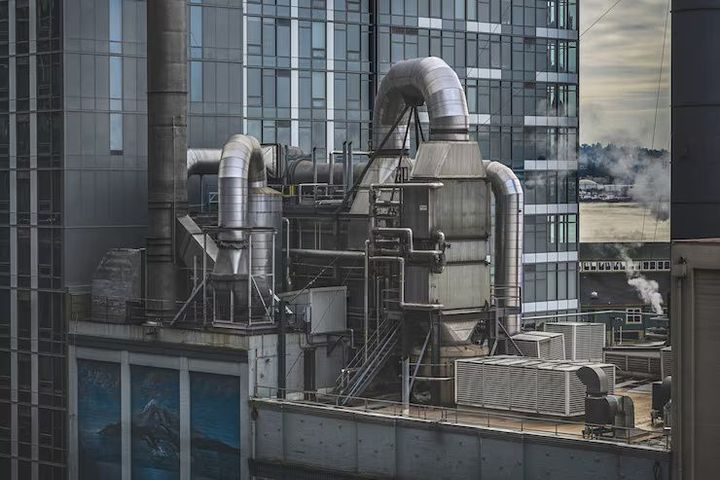
Industrial Dust Collectors Overview: Technology, Uses, and Workplace Benefits
Industrial dust collectors are specialized air filtration systems designed to capture dust, fumes, and airborne particles generated during industrial processes. These systems are widely used in factories, manufacturing plants, woodworking facilities, metal processing units, cement plants, and other environments where particulate matter is released into the air.
Dust generation is a common result of many industrial activities such as cutting, grinding, drilling, sanding, and material handling. Without proper control, airborne particles can accumulate in workspaces, affecting both machinery performance and workplace conditions.
Industrial dust collectors are designed to manage this issue by removing contaminants from the air before they spread throughout a facility. These systems help maintain cleaner air and more stable working environments.
How Dust Collection Systems Work
Most dust collectors operate by drawing contaminated air through a filtration system. This system separates dust particles from the airflow and releases cleaner air back into the environment or sends it through additional filtration stages.
Key Components of Dust Collection Systems
Common components of a dust collection system include:
- Air intake hoods
- Ductwork systems
- Filtration units
- Dust storage containers
- Airflow fans or blowers
Types of Industrial Dust Collectors
Several types of dust collectors are used across industries:
- Baghouse dust collectors
- Cartridge dust collectors
- Cyclone dust collectors
- Wet scrubbers
- Electrostatic precipitators
Each system is designed to handle specific particle sizes, airflow volumes, and industrial applications.
Why Industrial Dust Collectors Matter Today
Industrial dust collectors play a key role in maintaining controlled air quality in environments where dust-producing activities occur. Modern manufacturing relies on advanced filtration technologies to ensure consistent operations and equipment protection.
Industries such as metal fabrication, pharmaceuticals, mining, cement manufacturing, woodworking, and electronics assembly generate fine particles that can accumulate quickly. Dust collectors help prevent these particles from spreading throughout the facility.
Common Challenges Addressed
Dust collection systems help manage several workplace challenges:
- Airborne particle buildup in production areas
- Reduced visibility in manufacturing spaces
- Dust accumulation inside machinery
- Compliance with workplace environmental standards
Importance for Modern Manufacturing
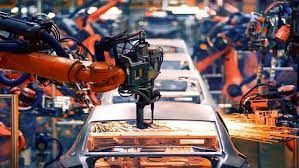
As production becomes more automated and precise, dust management becomes increasingly important. Sensitive equipment like CNC machines, robotics, and electronics assembly tools can be affected by contamination.
Industrial air filtration also supports environmental goals by reducing particulate emissions released into the surrounding environment. Many facilities integrate dust collection with monitoring systems that track performance and air quality.
Recent Developments in Dust Collection Technology
Recent advancements in 2024 and early 2025 have focused on automation, monitoring, and energy efficiency. These improvements are helping industries adopt smarter and more efficient dust collection systems.
One key development is the integration of Industrial Internet of Things (IIoT) sensors. These sensors monitor airflow, pressure, and filter conditions in real time, allowing continuous system tracking.
Key Industry Trends
Recent updates include:
- Expansion of smart air filtration monitoring systems
- Adoption of predictive maintenance software
- Development of energy-efficient motors and variable speed drives
- Improved filtration materials for ultra-fine particles
Real-Time Monitoring Metrics
Modern systems track important performance metrics such as:
- Airflow velocity
- Filter differential pressure
- Particle concentration levels
- Equipment performance indicators
Automated cleaning technologies, such as pulse-jet systems, are also being used to maintain filter efficiency without interrupting operations.
Regulations and Policies Affecting Industrial Dust Control
Industrial dust collection is guided by environmental regulations and workplace safety standards. These rules ensure responsible management of airborne particles in industrial settings.
Regulatory bodies typically focus on workplace air quality and environmental emission limits.
Key Regulatory Authorities
- Occupational Safety and Health Administration (OSHA) – workplace exposure limits
- Environmental Protection Agency (EPA) – emission control standards
- Industrial Emissions Directive (EU) – pollution control requirements
Compliance Considerations
Facilities must address several regulatory requirements:
- Workplace safety standards for dust exposure
- Environmental emission control policies
- Equipment safety regulations
- Industrial reporting and monitoring requirements
Government initiatives also promote sustainable manufacturing by encouraging advanced filtration technologies.
Tools and Resources for Dust Collection Management
Various digital tools and engineering resources help manage industrial dust collection systems. These tools support system design, performance monitoring, and maintenance.
Common Tools Used
- Airflow calculation software
- Industrial ventilation design tools
- Dust load calculators
- Filter monitoring systems
- Industrial IoT dashboards
Technical Resources for Engineers
- Industrial ventilation design manuals
- Environmental monitoring dashboards
- Predictive maintenance platforms
- Equipment performance analysis tools
Dust Collector Comparison Table
| Dust Collector Type | Typical Application | Particle Removal Method |
|---|---|---|
| Baghouse System | Cement, mining | Fabric filter bags |
| Cartridge Collector | Metal fabrication | Pleated cartridge filters |
| Cyclone Collector | Wood processing | Centrifugal separation |
| Wet Scrubber | Chemical plants | Liquid absorption |
Airflow Monitoring Parameters
| Parameter | Monitoring Purpose |
|---|---|
| Static Pressure | Filter blockage detection |
| Airflow Velocity | System efficiency |
| Particle Concentration | Air quality monitoring |
| Motor Performance | Equipment stability |
These tools enable better system planning, improved airflow control, and efficient maintenance strategies.
Frequently Asked Questions
What does an industrial dust collector do?
An industrial dust collector captures airborne dust particles generated during industrial processes and removes them using filtration systems.
Where are dust collectors commonly used?
They are used in industries such as metal fabrication, woodworking, cement production, pharmaceuticals, mining, and electronics manufacturing.
What is the difference between cyclone and baghouse collectors?
Cyclone collectors use centrifugal force to separate particles, while baghouse collectors use fabric filters to capture dust.
Why is dust control important for equipment?
Dust can accumulate inside machines and affect sensors, moving parts, and cooling systems. Proper dust collection helps maintain stable performance.
How are dust collectors monitored today?
Modern facilities use sensor-based systems that track airflow, pressure, and filter conditions through digital dashboards.
Conclusion
Industrial dust collectors are essential in modern manufacturing environments. They help manage airborne particles and maintain controlled air conditions within facilities.
Recent advancements in smart monitoring, predictive maintenance, and energy-efficient systems have significantly improved dust collection performance. These developments continue to support evolving industrial needs.
Regulatory standards emphasize air quality management and environmental responsibility, encouraging the adoption of advanced filtration technologies. As automation and precision manufacturing grow, dust collectors remain a critical component of industrial operations.