Industrial Efficiency Optimization Guide for Modern Manufacturing Systems
Industrial efficiency projects focus on improving how industries use energy, materials, labor, and time to achieve better output with fewer resources. These projects exist because industries often face challenges such as energy waste, production delays, equipment inefficiencies, and environmental impact.
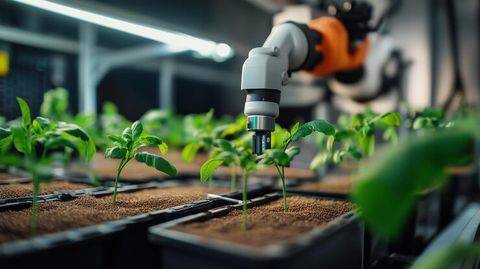
At their core, industrial efficiency projects aim to streamline processes, reduce waste, and enhance productivity. This can include upgrading machinery, optimizing workflows, implementing automation, or adopting energy-efficient technologies.
Efficiency is not just about cutting waste—it is about improving overall system performance while maintaining quality and reliability. As industries grow and global demand increases, efficiency becomes a key factor in maintaining competitiveness and sustainability.
Why Industrial Efficiency Matters Today
Industrial efficiency projects are increasingly important in today’s fast-changing economic and environmental landscape. Industries face pressure to improve output while minimizing environmental impact and resource consumption.
Key Reasons Industrial Efficiency Is Important
- Energy Consumption Reduction: Efficient systems reduce energy usage and operational strain
- Environmental Impact: Lower emissions support climate goals and sustainability initiatives
- Operational Performance: Smoother processes, fewer breakdowns, and higher productivity
- Resource Optimization: Efficient use of raw materials minimizes waste
- Global Competitiveness: Efficient industries are more adaptable and competitive internationally
Industrial efficiency affects manufacturers, engineers, policymakers, and consumers, influencing product quality, availability, and environmental footprint.
Recent Updates and Trends (2024–2025)
Industrial efficiency has seen important developments driven by technology and sustainability goals.
Key Trends
- AI-Based Process Optimization (2024): Real-time monitoring of production lines predicts inefficiencies
- Digital Twins Adoption (2024–2025): Virtual models simulate and improve operations before implementation
- Energy Management Systems Growth (2025): Track energy usage and identify savings opportunities
- Decarbonization Initiatives (2024): Reduce emissions and align with carbon reduction targets
- Smart Manufacturing Expansion (2025): IoT integration allows better equipment control and maintenance
Trend Comparison Table
| Trend | Key Benefit | Impact Area |
|---|---|---|
| AI Optimization | Predictive efficiency insights | Production processes |
| Digital Twins | Simulation-based improvements | System design |
| Energy Monitoring | Reduced energy waste | Utilities management |
| IoT Integration | Real-time data tracking | Equipment performance |
| Automation | Reduced manual errors | Productivity |
These updates show a shift toward data-driven, technology-enabled efficiency improvements.
Laws and Policies Affecting Industrial Efficiency
Industrial efficiency projects are influenced by government regulations and environmental policies. These rules encourage industries to adopt efficient practices and reduce environmental footprints.
India-Specific Policies
- Energy Conservation Act: Promotes efficient energy use across industries
- Perform, Achieve and Trade (PAT) Scheme: Encourages meeting energy efficiency targets
- National Action Plan on Climate Change (NAPCC): Supports sustainable industrial practices
- Bureau of Energy Efficiency (BEE) Guidelines: Provides standards for energy management
Compliance with these regulations not only ensures legal adherence but also helps industries improve long-term operational efficiency.
Tools and Resources for Industrial Efficiency
A wide range of tools and resources support industrial efficiency projects, helping monitor performance, identify inefficiencies, and implement improvements.
Common Tools and Technologies
- Energy Management Software: Tracks energy consumption and identifies high-usage areas
- Industrial IoT Platforms: Connect machines and sensors to provide real-time insights
- Process Simulation Tools: Model production processes and test improvements virtually
- Maintenance Management Systems: Schedule preventive maintenance to reduce downtime
- Data Analytics Platforms: Analyze operational data to support decision-making
Useful Resources
- Government energy efficiency portals
- Industry guidelines and standards documents
- Online calculators for energy savings
- Templates for efficiency audits
- Training materials on lean manufacturing
Example Efficiency Improvement Areas
| Area | Efficiency Action | Expected Outcome |
|---|---|---|
| Lighting | Switch to LED systems | Lower energy use |
| Machinery | Upgrade to efficient motors | Improved performance |
| Processes | Optimize workflow | Reduced delays |
| Maintenance | Preventive maintenance | Less downtime |
| Energy Systems | Heat recovery systems | Energy savings |
These tools and resources help industries transition from traditional operations to smarter, more efficient systems.
Frequently Asked Questions
What are industrial efficiency projects?
Initiatives designed to improve the use of energy, materials, and processes in industrial operations to achieve better productivity and reduced waste.
How do efficiency projects improve productivity?
They streamline workflows, reduce downtime, and optimize resource use, leading to faster and more reliable production.
What industries benefit the most from efficiency improvements?
Manufacturing, energy, logistics, and processing industries benefit due to high resource usage and complex operations.
Are industrial efficiency projects expensive to implement?
Implementation varies by project scope, but many improvements focus on long-term savings and operational benefits.
What role does technology play in industrial efficiency?
AI, IoT, and data analytics enable real-time monitoring, predictive maintenance, and process optimization.
Conclusion
Industrial efficiency projects are essential for modern industries aiming to balance productivity, sustainability, and resource management. By optimizing processes, reducing waste, and adopting advanced technologies, industries can achieve significant improvements in performance.
Growing environmental concerns and rising demand make these projects more important than ever. Supported by government policies, technological advancements, and practical tools, industrial efficiency is shaping the future of industrial operations.
Organizations that prioritize efficiency improve internal performance while contributing to broader economic and environmental goals.