Industrial electrical machines are devices that convert electrical energy into mechanical energy, mechanical energy into electrical energy, or transform electrical power from one form to another. Common examples include motors, generators, and transformers. These machines exist because modern industries depend on efficient energy conversion to operate equipment, transport materials, and supply power.
The foundation of industrial electrical machines lies in electromagnetic theory. This branch of physics explains how electric currents and magnetic fields interact. Principles such as electromagnetic induction and magnetic flux form the basis of how machines rotate, generate voltage, or regulate power levels.
As industries expanded during the industrial age, mechanical systems powered by water or steam were gradually supplemented and then replaced by electrically driven machines. Electrical machines allowed greater control, higher efficiency, and easier integration into large systems. Today, they remain essential components of factories, power stations, and infrastructure networks.
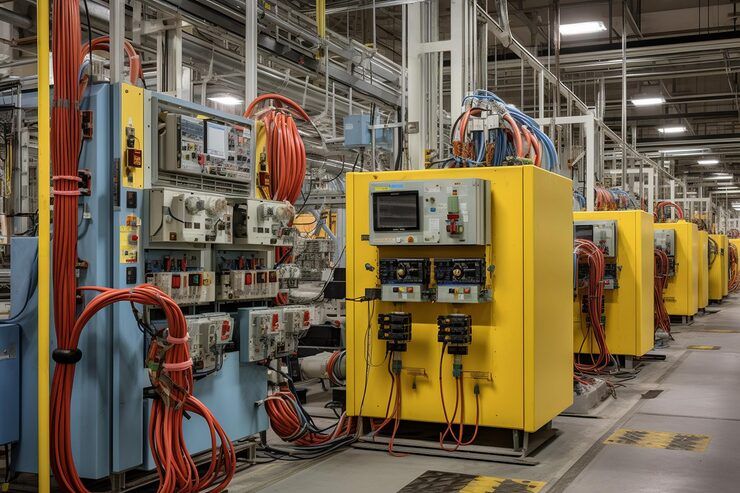
Importance: Why Electromagnetic Theory in Practice Matters Today
Understanding electromagnetic theory in practice matters because industrial electrical machines operate at the core of modern production and energy systems. While the theory may seem abstract, its real-world application determines how reliably and efficiently machines perform.
This topic affects:
-
Engineers designing and maintaining electrical equipment
-
Technicians working with motors and generators
-
Students learning electrical and mechanical fundamentals
-
Industries dependent on automated and powered systems
Key problems that applied electromagnetic theory helps solve include:
-
Efficient conversion of energy with minimal losses
-
Controlled motion and torque in machinery
-
Stable power generation and distribution
-
Reduced overheating and mechanical stress
When electromagnetic principles are correctly applied, machines operate smoothly and predictably. Poor understanding or design can lead to inefficiencies, excessive heat, vibration, or early equipment failure. This is why theory and practice are closely linked in industrial electrical systems.
Recent Updates: Developments in the Past Year
Over the past year, industrial electrical machines have continued to evolve as part of broader trends in automation, energy efficiency, and digital monitoring.
Key developments since 2024 include:
-
Higher efficiency motor designs: In 2024, updated motor designs focused on reducing electromagnetic losses through improved core materials.
-
Advanced simulation tools: Late 2024 saw wider use of electromagnetic modeling software to predict machine behavior before physical construction.
-
Condition monitoring integration: Early 2025 introduced expanded use of sensors to monitor magnetic flux, temperature, and vibration in operating machines.
-
Energy transition alignment: During 2025, generators and transformers were increasingly optimized for renewable energy systems.
-
Standard updates: Technical clarifications published in 2025 refined testing and performance measurement methods.
These developments show how electromagnetic theory continues to guide innovation in electrical machinery.
Laws and Policies: Standards and Regulatory Influence
Industrial electrical machines are governed by safety, performance, and efficiency regulations. These policies ensure that machines operate reliably and do not pose risks to people or infrastructure.
International standards developed by the International Organization for Standardization define testing methods, efficiency classes, and terminology for electrical machines. These standards help align manufacturing and operation practices across regions.
In the United States, workplace safety related to electrical equipment operation is influenced by guidance from the Occupational Safety and Health Administration. These guidelines affect installation, maintenance, and operator training.
Common regulatory focus areas include:
-
Electrical safety and insulation requirements
-
Efficiency and energy consumption standards
-
Noise and vibration limits
-
Documentation and compliance testing
Together, these policies shape how electromagnetic principles are applied in practical machine design and operation.
Tools and Resources: Learning and Working With Electrical Machines
A variety of tools and resources support understanding and working with industrial electrical machines. These resources bridge the gap between theory and real-world application.
Useful resource categories include:
-
Electromagnetic simulation software for machine design
-
Electrical measurement instruments such as multimeters and power analyzers
-
Technical reference guides on motors, generators, and transformers
-
Laboratory training setups for educational environments
The table below outlines common electrical machines and their primary functions:
| Machine Type | Main Function | Typical Application Area |
|---|---|---|
| Electric motor | Converts electrical to mechanical energy | Manufacturing equipment |
| Generator | Converts mechanical to electrical energy | Power generation systems |
| Transformer | Changes voltage and current levels | Power transmission and distribution |
| Induction machine | Produces motion using magnetic fields | Industrial drives |
| Synchronous machine | Maintains constant speed operation | Grid-connected systems |
These tools and references help translate electromagnetic concepts into practical outcomes.
Electromagnetic Theory: Core Principles in Simple Terms
Electromagnetic theory explains how electricity and magnetism interact. In industrial machines, these interactions are controlled and repeated to produce useful work.
Key principles include:
-
Magnetic fields: Created when electric current flows through conductors
-
Electromagnetic induction: Voltage generated by changing magnetic fields
-
Lorentz force: The force acting on current-carrying conductors in a magnetic field
In motors, current flowing through coils creates magnetic fields that interact with other fields, producing rotation. In generators, mechanical motion changes magnetic fields, inducing electrical voltage. Transformers rely on alternating magnetic fields to transfer energy between circuits without physical contact.
From Theory to Practice: How Machines Apply These Principles
Applying electromagnetic theory requires careful design of windings, cores, and air gaps. Materials are chosen to guide magnetic flux efficiently while minimizing losses.
Practical considerations include:
-
Core materials that reduce hysteresis and eddy current losses
-
Winding arrangements that control field strength and direction
-
Cooling systems that manage heat from electrical resistance
These design choices ensure that theoretical principles result in reliable and efficient machines when built and operated in industrial settings.
FAQs: Common Questions About Industrial Electrical Machines
What is the role of electromagnetic theory in electrical machines?
It explains how electric currents and magnetic fields interact to produce motion or electricity.
Are motors and generators based on the same principles?
Yes. Both rely on electromagnetic induction, but they apply it in opposite energy conversion directions.
Why do electrical machines generate heat?
Heat results from electrical resistance and magnetic losses during operation.
Do all industrial machines use alternating current?
Many do, but some applications use direct current depending on control requirements.
How does theory improve machine reliability?
Understanding theory helps optimize design and prevent conditions that cause stress or failure.
Conclusion
Industrial electrical machines are practical applications of electromagnetic theory that power modern industry and infrastructure. Motors, generators, and transformers all rely on controlled interactions between electric currents and magnetic fields.
Recent developments highlight improved efficiency, digital modeling, and closer alignment with evolving energy systems. At the same time, laws and standards continue to guide safe and effective application.
By understanding how electromagnetic theory works in practice, readers gain clearer insight into the machines that quietly support production, transportation, and energy systems around the world.