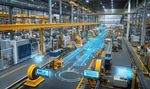
Industrial Energy Audit Guide: Understanding Efficiency, Process Evaluation, and Energy Use
Industrial energy audit support refers to structured guidance, methods, and tools used to analyze how energy is consumed within industrial facilities. Energy audits examine equipment, processes, and energy systems to understand where electricity, fuel, and heat are used and how efficiently those resources are utilized.
Industries such as manufacturing, chemical processing, food production, and textiles often rely on energy-intensive machinery. As a result, energy analysis has become essential for identifying inefficiencies and improving operational performance.
Industrial energy audits involve analyzing energy data, reviewing production processes, and evaluating equipment performance. The goal is to understand how energy flows through a facility and identify areas for optimization.
Energy audit support includes documentation methods, monitoring systems, analytical tools, and standardized procedures. These elements help organizations assess energy usage in a structured and systematic way.
Importance of Industrial Energy Audit Support
Industrial energy consumption represents a significant share of global energy demand. Improving efficiency in this sector can have a major impact on energy conservation and sustainability.
Key Beneficiaries
- Manufacturing plants
- Processing industries
- Large production facilities
- Industrial infrastructure operators
Key Challenges Addressed
- High energy consumption due to inefficient equipment
- Energy losses from outdated systems or heat waste
- Limited monitoring in large facilities
- Difficulty identifying inefficiencies in complex processes
A structured audit process provides insights into equipment performance, system loads, and energy distribution.
Example Energy Distribution in Industrial Facilities
| Industrial System | Typical Energy Share (%) |
|---|---|
| Electric Motors | 30–40% |
| Heating Processes | 20–30% |
| Compressed Air Systems | 10–15% |
| Lighting Systems | 5–10% |
| Cooling and Chillers | 5–10% |
| Other Systems | 5–10% |
Understanding these patterns helps organizations prioritize improvements where they have the greatest impact.
Industrial energy audits also support sustainability goals by reducing unnecessary energy consumption.
Recent Updates and Trends (2024–2025)
Recent advancements have significantly improved industrial energy auditing practices. These developments focus on digital monitoring, data analytics, and sustainability initiatives.
Key Trends
-
Digital Energy Monitoring Systems:
IoT-based sensors enable real-time tracking of energy usage across machines and production lines. -
Data-Driven Energy Analytics:
Energy management platforms provide dashboards and analytics to detect inefficiencies and anomalies. -
Global Energy Efficiency Initiatives:
International programs encourage industries to adopt better monitoring and reporting practices. -
AI-Assisted Energy Analysis:
AI tools help predict consumption patterns and identify optimization opportunities.
Adoption of Digital Energy Monitoring
| Year | Facilities Using Digital Monitoring (%) |
|---|---|
| 2022 | 28% |
| 2023 | 35% |
| 2024 | 44% |
| 2025 | 52% |
This growth reflects increasing awareness of energy efficiency and the adoption of advanced monitoring technologies.
Laws and Policies Related to Industrial Energy Audits
Government policies play a key role in encouraging industries to monitor and improve energy performance. These frameworks promote energy efficiency and sustainability.
Key Policies in India
-
Energy Conservation Act:
Encourages efficient energy use across industrial sectors. -
Perform, Achieve and Trade (PAT) Scheme:
Sets energy efficiency targets for industries and provides incentives for achieving them. -
Bureau of Energy Efficiency (BEE) Guidelines:
Offer structured frameworks for conducting energy audits.
These policies help industries better understand energy consumption and adopt efficiency improvements.
Globally, similar frameworks support energy monitoring, reporting, and sustainable industrial practices.
Tools and Resources for Industrial Energy Audit Support
A variety of tools and platforms are used to monitor, analyze, and optimize energy usage in industrial environments. These tools help engineers and managers make informed decisions.
Common Tools
Energy Monitoring Software
- Energy management dashboards
- Industrial analytics platforms
- Performance monitoring tools
Measurement and Analysis Instruments
- Power analyzers
- Thermal imaging cameras
- Data loggers
- Flow measurement devices
Evaluation Frameworks
- Energy audit templates
- Benchmarking databases
- Equipment efficiency calculators
Tools Overview Table
| Tool Type | Purpose |
|---|---|
| Power Analyzer | Measures electrical energy consumption |
| Thermal Camera | Detects heat loss and insulation issues |
| Data Logger | Records energy usage over time |
| Energy Management Software | Analyzes and visualizes energy data |
These tools enable structured analysis and improve visibility into industrial energy performance.
Additional Resources
- Energy efficiency research platforms
- Industrial benchmarking databases
- Case studies on energy optimization
These resources support continuous learning and improvement in energy management practices.
Frequently Asked Questions (FAQs)
What is an industrial energy audit?
An industrial energy audit is a systematic evaluation of energy usage within a facility. It examines equipment, processes, and systems to identify efficiency opportunities.
Why are energy audits important?
They help industries understand energy consumption patterns and identify areas for improvement. This supports better energy management and cost reduction.
Who performs energy audits?
Energy audits are conducted by trained professionals such as engineers or certified energy auditors.
How often should audits be conducted?
The frequency depends on industry standards and regulations. Many organizations conduct periodic audits as part of energy management programs.
Which industries benefit the most?
Energy-intensive industries such as:
- Manufacturing
- Chemical processing
- Metal production
- Cement production
- Food processing
Conclusion
Industrial energy audit support provides a structured approach to understanding energy usage in complex industrial systems. By analyzing consumption patterns and equipment performance, organizations can identify opportunities for improvement.
Advancements in digital monitoring, data analytics, and energy policies have increased the importance of energy audits. These tools and frameworks help industries improve efficiency and support sustainability goals.
As technology continues to evolve, energy audits will become more data-driven and automated. This will enable industries to make smarter decisions and achieve long-term energy efficiency.