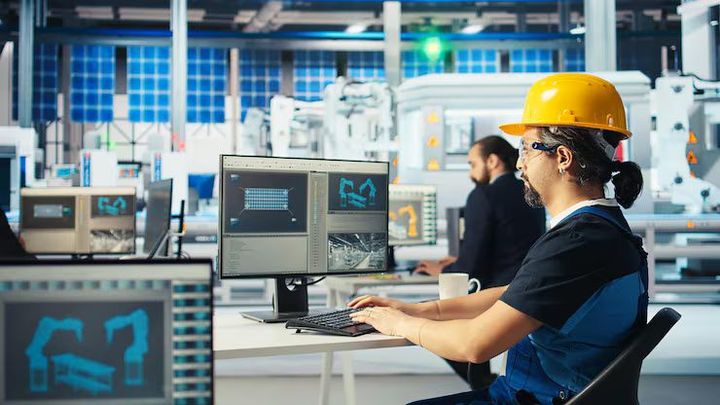
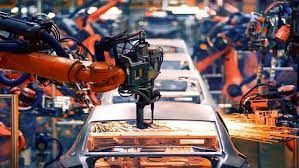
The concept of industrial engineering emerged during the early development of large-scale manufacturing in the 20th century. As factories expanded and production lines became more complex, engineers began developing systematic approaches to organize labor, machines, materials, and information. Industrial engineering systems evolved from these efforts and now play a key role in modern production management.
Today, industrial engineering systems integrate advanced technologies such as data analytics, automation platforms, manufacturing execution systems (MES), and supply chain optimization tools. These systems help organizations coordinate complex production operations while maintaining consistent quality standards.
Industrial engineering focuses on improving the relationship between three essential elements:
-
People
-
Machines
-
Processes
By analyzing workflow patterns, resource allocation, and production performance, industrial engineering systems aim to create efficient, reliable, and scalable production environments.
Common components found in industrial engineering systems include:
-
Production planning systems
-
Process optimization models
-
Supply chain management platforms
-
Quality control systems
-
Industrial automation technologies
-
Data monitoring and analytics tools
These components allow organizations to manage production activities in a structured and data-driven manner.
Industrial Engineering Systems Importance
Industrial engineering systems are increasingly important in modern manufacturing because industries face growing pressure to improve efficiency, reduce operational waste, and adapt to rapid technological change.
Manufacturers today operate in competitive global markets where production speed, quality control, and operational efficiency strongly influence success. Industrial engineering systems help address these challenges by organizing production processes in ways that improve performance and reliability.
Several industries rely heavily on industrial engineering systems, including:
-
Automotive manufacturing
-
Electronics production
-
Aerospace engineering
-
Pharmaceutical manufacturing
-
Food processing industries
-
Energy equipment manufacturing
These industries often operate complex production lines involving multiple stages, specialized equipment, and strict quality requirements. Industrial engineering systems help coordinate these processes efficiently.
The benefits of industrial engineering systems include:
-
Improved production efficiency
-
Reduced operational waste
-
Better resource utilization
-
Enhanced supply chain coordination
-
Improved quality management
Another important advantage is data-driven decision making. Modern industrial systems collect production data in real time, allowing engineers and managers to analyze operational performance and identify areas for improvement.
The increasing adoption of smart manufacturing and Industry 4.0 technologies has also expanded the role of industrial engineering systems. These systems now connect machines, sensors, and digital platforms to create intelligent manufacturing environments capable of monitoring production activities automatically.
In industries with high production volumes, even small improvements in workflow efficiency can significantly impact overall productivity and operational stability.
Industrial Engineering Systems Recent Updates
Over the past year, industrial engineering systems have experienced several notable developments driven by technological innovation and global manufacturing trends.
In 2025, manufacturers have continued expanding the use of artificial intelligence and machine learning in industrial engineering systems. AI-based analytics tools are now being used to predict equipment maintenance needs, detect process anomalies, and optimize production scheduling.
Another trend gaining attention in 2024 and 2025 is the growth of digital twin technology. A digital twin is a virtual model of a physical production system that allows engineers to simulate operations, test process improvements, and analyze performance without interrupting real production activities.
Key developments reported in 2025 include:
-
Increased adoption of smart factory platforms
-
Expansion of industrial Internet of Things (IIoT) networks
-
Improved real-time production monitoring systems
-
Growth of predictive maintenance technologies
Many global manufacturing organizations have also invested in integrated production management platforms that combine multiple functions, including:
In February 2025, several industry technology reports highlighted the rising importance of sustainable manufacturing practices. Industrial engineering systems are increasingly used to reduce energy consumption, minimize raw material waste, and optimize production resource allocation.
Automation technologies are also evolving rapidly. Advanced robotic systems are being integrated with industrial engineering platforms to improve production accuracy and reduce repetitive manual tasks.
These developments demonstrate how industrial engineering systems are becoming more data-focused, automated, and adaptable to changing manufacturing requirements.
Industrial Engineering Systems Laws and Policies
Industrial engineering systems operate within regulatory frameworks designed to ensure workplace safety, product quality, and environmental responsibility. Government policies and international standards influence how production systems are designed and managed.
Several global standards affect industrial engineering practices.
Important regulatory frameworks include:
-
ISO 9001 Quality Management Systems
-
ISO 14001 Environmental Management Standards
-
Occupational Safety and Health regulations
-
Industrial safety compliance guidelines
These standards guide organizations in developing structured production processes that prioritize safety, quality, and environmental protection.
For example, ISO 9001 encourages organizations to implement documented processes, performance monitoring systems, and continuous improvement practices. Industrial engineering systems often support these requirements by providing tools for data tracking and workflow management.
Workplace safety regulations also influence industrial engineering system design. Manufacturing environments must ensure safe machine operation, proper equipment maintenance, and controlled workplace conditions.
Many governments have introduced initiatives supporting digital transformation in manufacturing sectors. These programs encourage organizations to adopt modern industrial technologies such as automation systems, robotics, and smart production platforms.
Environmental regulations are another important factor. Industrial engineering systems are frequently used to monitor energy consumption, manage waste reduction strategies, and track environmental performance metrics.
By aligning production processes with regulatory standards, organizations can maintain operational compliance while improving efficiency and sustainability.
Industrial Engineering Systems Tools and Resources
Modern industrial engineering systems rely on various digital tools, platforms, and analytical software that support production optimization and operational monitoring.
Common tools used in industrial engineering environments include:
-
Manufacturing Execution Systems (MES)
-
Enterprise Resource Planning (ERP) platforms
-
Process simulation software
-
Industrial data analytics dashboards
-
Supply chain optimization platforms
-
Workflow modeling tools
These tools help engineers design efficient production processes, track operational data, and improve decision-making across manufacturing operations.
Below is a simplified comparison of common industrial engineering tools.
| Tool Category | Primary Function | Example Applications |
|---|
| MES Platforms | Monitor production operations | Factory performance tracking |
| ERP Systems | Manage organizational resources | Supply chain coordination |
| Simulation Software | Test workflow scenarios | Process optimization |
| Data Analytics Platforms | Analyze production data | Operational insights |
Industrial engineers often use simulation models to evaluate production workflows before implementing changes. This approach allows organizations to identify potential inefficiencies and optimize processes without disrupting active operations.
Another important resource is industrial data visualization platforms. These tools present operational metrics using graphs and dashboards that help engineers understand system performance.
Example of common production metrics monitored in industrial engineering systems:
| Production Metric | Description |
|---|
| Cycle Time | Time required to complete one production unit |
| Equipment Utilization | Percentage of machine usage during operations |
| Process Efficiency | Measure of output compared to input resources |
| Quality Yield | Percentage of products meeting quality standards |
These metrics allow engineers to evaluate system performance and identify improvement opportunities.
Industrial Engineering Systems FAQs
What is the primary goal of industrial engineering systems?
The main goal is to improve production efficiency by optimizing processes, resources, and workflow coordination within industrial operations.
How do industrial engineering systems support smart manufacturing?
They integrate automation, data analytics, and monitoring technologies that allow production systems to operate more efficiently and respond to real-time information.
What industries commonly use industrial engineering systems?
Industries such as automotive manufacturing, electronics production, aerospace engineering, pharmaceuticals, and food processing widely use these systems.
What role does data analysis play in industrial engineering?
Data analysis helps engineers evaluate production performance, detect inefficiencies, and make informed decisions about process improvements.
How do industrial engineering systems improve quality control?
These systems track production processes, monitor quality indicators, and ensure standardized procedures are followed throughout manufacturing operations.
Industrial Engineering Systems Conclusion
Industrial engineering systems play a fundamental role in organizing and improving modern manufacturing processes. By combining engineering methods, digital technologies, and operational analysis, these systems help industries manage complex production environments with greater efficiency and reliability.
The increasing integration of automation, artificial intelligence, and industrial data platforms is transforming how production systems operate. These advancements allow organizations to monitor performance in real time, optimize resource utilization, and adapt quickly to changing industrial demands.
Regulatory standards and environmental policies also influence how industrial engineering systems are implemented, ensuring that production processes remain safe, sustainable, and compliant with industry requirements.
As manufacturing continues to evolve in the era of smart factories and digital transformation, industrial engineering systems will remain essential for improving productivity, maintaining quality standards, and supporting innovation across global industries.
Industrial engineering systems originated during the rise of large-scale manufacturing in the 20th century. As production lines became more complex, engineers developed structured methods to manage labor, machines, and materials efficiently.
Today, these systems integrate advanced technologies like automation, data analytics, and supply chain tools. They play a vital role in ensuring smooth production operations and maintaining consistent quality standards.
Core Elements of Industrial Engineering
Industrial engineering focuses on improving the relationship between three key elements:
-
People
-
Machines
-
Processes
By analyzing workflows and resource allocation, these systems create efficient and scalable production environments.
Common Components
Industrial engineering systems typically include several essential components:
-
Production planning systems
-
Process optimization models
-
Supply chain management platforms
-
Quality control systems
-
Industrial automation technologies
-
Data monitoring and analytics tools
These components allow organizations to manage production in a structured and data-driven way.
Importance of Industrial Engineering Systems
Industrial engineering systems are crucial in modern manufacturing due to increasing global competition and demand for efficiency. Companies must improve productivity, reduce waste, and maintain quality to stay competitive.
These systems help streamline operations, improve coordination, and ensure reliable production outcomes. They are widely used across industries with complex production processes.
Key Industries Using These Systems
Several industries depend heavily on industrial engineering systems:
-
Automotive manufacturing
-
Electronics production
-
Aerospace engineering
-
Pharmaceutical manufacturing
-
Food processing
-
Energy equipment manufacturing
These industries benefit from structured and optimized production systems.
Benefits of Industrial Engineering Systems
Organizations gain multiple advantages from implementing these systems:
-
Improved production efficiency
-
Reduced operational waste
-
Better resource utilization
-
Enhanced supply chain coordination
-
Improved quality management
Another major benefit is real-time data-driven decision-making, which helps identify inefficiencies and optimize operations quickly.
Recent Updates in Industrial Engineering Systems
Industrial engineering systems have evolved rapidly due to technological advancements and global manufacturing trends. In 2025, artificial intelligence and machine learning are widely used to optimize production and predict maintenance needs.
Digital twin technology has also gained popularity, allowing engineers to simulate production systems and test improvements without affecting real operations.
Key Developments (2024–2025)
-
Increased adoption of smart factory platforms
-
Expansion of Industrial Internet of Things (IIoT) networks
-
Improved real-time monitoring systems
-
Growth of predictive maintenance technologies
These developments highlight the shift toward more automated and data-driven manufacturing environments.
Sustainability and Automation Trends
Manufacturers are increasingly focusing on sustainability by reducing energy consumption and minimizing waste. Industrial engineering systems help track and optimize these environmental factors.
Advanced robotics and automation technologies are also improving production accuracy and reducing manual labor.
Laws and Policies
Industrial engineering systems must comply with regulatory standards that ensure safety, quality, and environmental responsibility. These frameworks guide how production systems are designed and managed.
Key Regulatory Standards
-
ISO 9001 Quality Management Systems
-
ISO 14001 Environmental Management Standards
-
Occupational Safety and Health regulations
-
Industrial safety compliance guidelines
These standards promote structured processes, continuous improvement, and safe working environments.
Role of Regulations
Regulations influence multiple aspects of industrial engineering systems:
-
Ensuring workplace safety
-
Maintaining product quality
-
Monitoring environmental impact
-
Supporting digital transformation initiatives
Organizations use industrial systems to track compliance and improve operational efficiency simultaneously.
Tools and Resources
Modern industrial engineering relies on digital tools and platforms to manage production and analyze performance. These tools support decision-making and process optimization across industries.
Common Tools
-
Manufacturing Execution Systems (MES)
-
Enterprise Resource Planning (ERP) systems
-
Process simulation software
-
Data analytics dashboards
-
Supply chain optimization tools
-
Workflow modeling platforms
These tools enable efficient monitoring, planning, and execution of production processes.
Tool Comparison Table
| Tool Category | Primary Function | Example Applications |
|---|
| MES Platforms | Monitor production operations | Factory performance tracking |
| ERP Systems | Manage organizational resources | Supply chain coordination |
| Simulation Software | Test workflow scenarios | Process optimization |
| Data Analytics Platforms | Analyze production data | Operational insights |
Key Production Metrics
Industrial engineering systems track important performance indicators:
| Production Metric | Description |
|---|
| Cycle Time | Time required to produce one unit |
| Equipment Utilization | Percentage of machine usage |
| Process Efficiency | Output compared to input resources |
| Quality Yield | Percentage of defect-free products |
These metrics help engineers identify inefficiencies and improve production systems.
FAQs
What is the primary goal of industrial engineering systems?
The main goal is to improve production efficiency by optimizing processes, resources, and workflows.
How do these systems support smart manufacturing?
They integrate automation, analytics, and monitoring tools to enable real-time decision-making and improved efficiency.
Which industries use industrial engineering systems?
Industries like automotive, electronics, aerospace, pharmaceuticals, and food processing widely use these systems.
What is the role of data analysis?
Data analysis helps identify inefficiencies, monitor performance, and support informed decision-making.
How is quality control improved?
These systems monitor production processes and ensure standardized procedures are followed consistently.
Conclusion
Industrial engineering systems are essential for managing and optimizing modern manufacturing processes. They combine engineering principles with digital technologies to improve efficiency and reliability.
With the rise of automation, AI, and smart manufacturing, these systems are becoming more advanced and adaptable. They enable real-time monitoring, better resource utilization, and faster decision-making.
As industries continue to evolve, industrial engineering systems will remain critical for maintaining productivity, ensuring quality, and supporting sustainable growth.