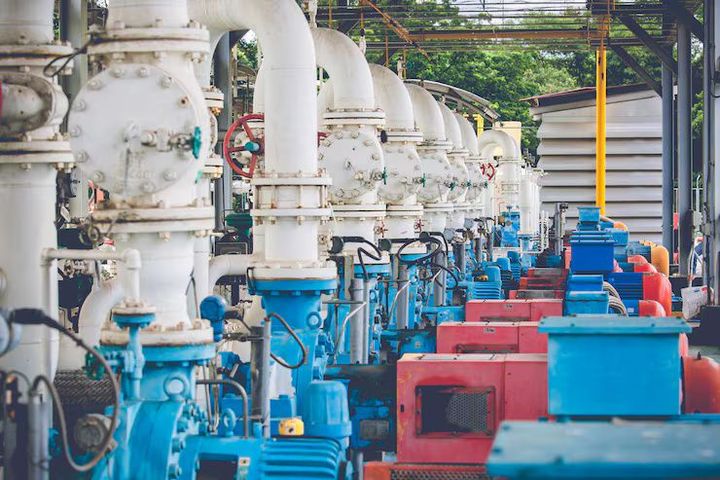
Industrial Fluid Engineering Guide for Efficient Systems Performance
Industrial fluid engineering focuses on the study and management of liquids and gases in industrial systems. It involves designing, analyzing, and optimizing how fluids move through pipelines, machinery, and processing units. This field combines principles from fluid mechanics, thermodynamics, and system design to ensure smooth and efficient operations.
Fluids play a critical role in industries such as manufacturing, oil and gas, power generation, water treatment, and chemical processing. These systems rely on controlled flow, pressure, and temperature to operate correctly. Without proper engineering, inefficiencies like energy loss, leakage, and system failure can occur.
The main goal of industrial fluid engineering is to create systems that transport fluids safely, efficiently, and reliably. Engineers focus on reducing friction losses, maintaining optimal pressure levels, and ensuring that equipment like pumps and valves function correctly over time.
Why Industrial Fluid Engineering Matters Today
In today’s industrial environment, efficiency and sustainability are major priorities. Fluid systems are often energy-intensive, and even small inefficiencies can lead to significant resource waste. Optimizing these systems helps industries reduce energy consumption and improve overall productivity.
This field affects a wide range of sectors, including:
- Manufacturing plants using hydraulic systems
- Oil refineries handling crude oil and gas flow
- Water supply systems ensuring clean distribution
- Power plants relying on steam and cooling fluids
Industrial fluid engineering solves several key challenges:
- Reducing energy loss caused by friction and turbulence
- Preventing system failures due to pressure imbalance
- Improving equipment lifespan through proper flow control
- Enhancing safety by minimizing leaks and bursts
For example, optimizing pipeline design can significantly lower pumping energy requirements, which directly impacts operational efficiency and environmental sustainability.
Key Concepts in Fluid System Performance
To understand performance improvements, it helps to look at core variables in fluid systems:
| Parameter | Description | Impact on Performance |
|---|---|---|
| Flow Rate | Volume of fluid moving per unit time | Affects system output |
| Pressure | Force exerted by the fluid | Influences energy usage |
| Viscosity | Fluid resistance to flow | Determines friction losses |
| Temperature | Heat level of fluid | Impacts fluid properties |
| Pipe Diameter | Size of the flow channel | Affects velocity and pressure |
A simple performance relationship can be visualized conceptually:
Efficiency ↑ when Energy Loss ↓ and Flow Optimization ↑
Engineers use simulations and modeling tools to balance these parameters and achieve optimal results.
Recent Updates and Trends in Industrial Fluid Engineering
Over the past year, several developments have influenced this field, especially in 2025:
- January 2025: Increased adoption of smart sensors for real-time fluid monitoring in industrial plants. These sensors track pressure, temperature, and flow continuously.
- March 2025: Growth in digital twin technology, allowing engineers to simulate fluid systems virtually before implementation.
- June 2025: Expansion of energy efficiency regulations encouraging industries to optimize fluid systems to reduce emissions.
- September 2025: Wider use of AI-driven predictive maintenance tools to detect leaks and inefficiencies early.
Modern trends include:
- Automation in fluid control systems
- Integration of IoT-based monitoring
- Use of eco-friendly fluids in industrial processes
- Advanced computational fluid dynamics (CFD) simulations
These updates are helping industries move toward smarter, data-driven operations.
Laws, Regulations, and Policies Affecting Fluid Systems
Industrial fluid engineering is closely linked to safety and environmental regulations, especially in countries like India. Government policies ensure that fluid systems do not harm workers, infrastructure, or the environment.
Key regulatory areas include:
- Environmental protection laws controlling fluid discharge and pollution
- Industrial safety standards governing pressure systems and pipelines
- Energy efficiency guidelines promoting reduced consumption
- Water management policies ensuring responsible usage
Some important frameworks include:
- Bureau of Indian Standards (BIS) guidelines for pipeline design
- Pollution Control Board regulations for fluid waste management
- Energy conservation programs promoting efficient systems
These rules require industries to regularly inspect, maintain, and upgrade their fluid systems to meet compliance standards. Failure to follow regulations can lead to operational risks and environmental damage.
Useful Tools and Resources for Fluid Engineering
Engineers rely on various tools and platforms to design and optimize fluid systems effectively. These resources help improve accuracy, efficiency, and decision-making.
Common tools include:
- Computational Fluid Dynamics (CFD) software for simulation
- Flow calculators for pressure and velocity analysis
- Hydraulic design tools for system planning
- Monitoring dashboards for real-time performance tracking
Helpful resources:
- Engineering textbooks and research journals
- Online simulation platforms for fluid modeling
- Industry guidelines and technical standards
- Educational platforms offering fluid mechanics courses
Example of a simple flow calculation concept:
| Input Variable | Example Value |
|---|---|
| Pipe Diameter | 0.5 meters |
| Flow Velocity | 2 m/s |
| Flow Rate | 0.39 m³/s |
Such calculations help engineers design systems that meet required performance levels.
Common Questions About Industrial Fluid Engineering
What is industrial fluid engineering used for?
It is used to design and manage systems that handle liquids and gases in industries such as manufacturing, energy, and water treatment.
How does fluid engineering improve efficiency?
By optimizing flow, reducing energy losses, and ensuring proper system design, it minimizes waste and enhances performance.
What are the main components of a fluid system?
Typical components include pumps, pipes, valves, compressors, and storage tanks.
Why is pressure control important in fluid systems?
Proper pressure ensures safe operation, prevents leaks or bursts, and maintains consistent performance.
What skills are needed to understand this field?
Basic knowledge of physics, mathematics, and engineering principles like fluid mechanics and thermodynamics is helpful.
Conclusion
Industrial fluid engineering plays a vital role in modern industries by ensuring that fluid systems operate efficiently, safely, and sustainably. From managing pipelines to optimizing energy use, this field helps solve real-world challenges that impact productivity and environmental responsibility.
Recent advancements such as smart monitoring, AI-based analysis, and digital simulations are transforming how engineers design and maintain these systems. At the same time, regulations and policies ensure that operations remain safe and environmentally compliant.