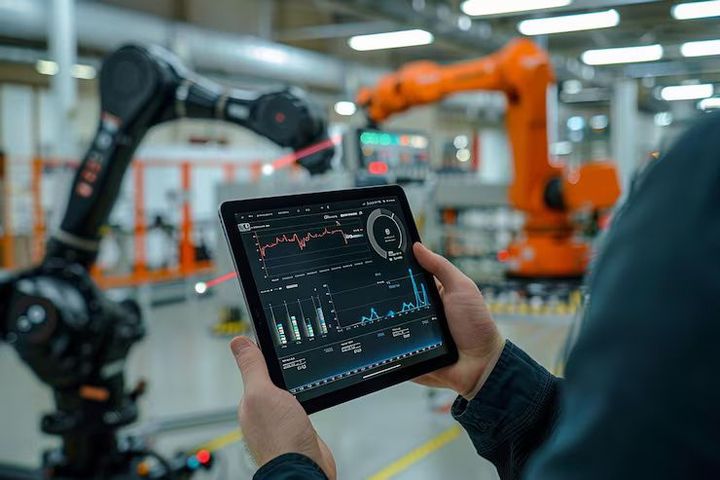
The concept of Industrial IoT emerged as industries looked for ways to improve operational efficiency and reduce downtime. Traditional manufacturing relied on manual inspections and scheduled maintenance, which often resulted in unexpected failures.
Industrial IoT sensors solve this issue by continuously monitoring environmental and operational conditions. These sensors collect data such as temperature, pressure, vibration, and motion, which is then transmitted to analytics platforms or cloud-based systems.
Types of Industrial IoT Sensors
Common types of Industrial IoT sensors include:
-
Temperature sensors for thermal monitoring
-
Vibration sensors for predictive maintenance
-
Pressure sensors for industrial machinery
-
Flow sensors for liquid and gas monitoring
-
Proximity sensors for automation systems
-
Gas detection sensors for workplace safety
These sensors are typically integrated into automation systems and connected through wireless networks, industrial Ethernet, or 5G technologies.
Smart Monitoring and Predictive Maintenance
The primary goal of Industrial IoT sensors is smart monitoring. Instead of reacting to failures, organizations can analyze real-time data to detect issues early.
This approach supports predictive maintenance, allowing industries to address problems before they lead to costly downtime or system failures.
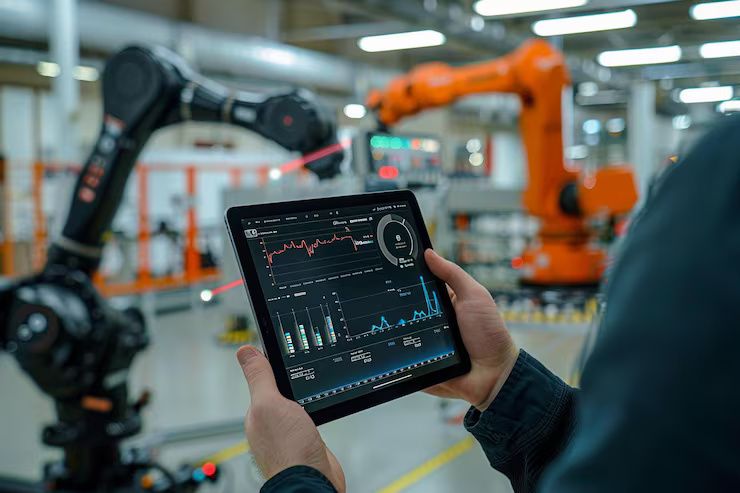
Importance of Industrial IoT Sensors
Industrial IoT sensors play a crucial role in digital transformation and data-driven decision-making. They enable continuous monitoring, which is essential in complex industrial environments.
Modern manufacturing facilities operate thousands of machines simultaneously, making manual monitoring inefficient and impractical.
Key Operational Challenges Addressed
Industrial IoT sensors help solve several challenges:
-
Unexpected equipment failures
-
Inefficient energy usage
-
Safety risks in hazardous environments
-
Limited visibility across production processes
-
Ineffective maintenance schedules
For example, vibration sensors can detect abnormal machine behavior, helping teams identify issues such as wear or misalignment before failure occurs.
Industries That Benefit
Several industries benefit from Industrial IoT sensors:
-
Manufacturing and factory automation
-
Energy and power generation
-
Oil and gas infrastructure
-
Transportation and logistics
-
Smart buildings
-
Agriculture and environmental monitoring
These sensors are also key components of Industry 4.0 and smart factory ecosystems.
Workplace Safety and Efficiency
Industrial IoT sensors improve workplace safety by detecting hazards such as gas leaks or temperature spikes. They provide alerts when conditions exceed safe limits.
By collecting accurate operational data, organizations can improve efficiency, reliability, and long-term planning.
Recent Updates in Industrial IoT Sensors (2024–2025)
Industrial IoT sensor technology has evolved significantly in recent years. Advancements in AI, connectivity, and computing are transforming how industries use sensor data.
Key Technological Developments
-
Integration of AI for anomaly detection and predictive analytics
-
Adoption of edge computing for faster data processing
-
Growth of wireless industrial sensors for easier deployment
-
Expansion of energy monitoring systems for sustainability
-
Increased use of 5G for high-speed connectivity
-
Development of digital twins for simulation and optimization
These innovations enable industries to process large volumes of data and improve operational decision-making.
Laws and Policies Governing Industrial IoT Sensors
The deployment of Industrial IoT sensors is influenced by safety regulations, data protection laws, and industry standards. These frameworks ensure safe and responsible use of connected systems.
Key Regulatory Areas
-
Workplace safety regulations for hazardous environments
-
Environmental laws for emissions and monitoring
-
Data governance and cybersecurity compliance
-
Industrial communication and automation standards
Common Frameworks and Standards
-
ISO 27001 for cybersecurity management
-
IEC 61508 for industrial safety
-
Environmental monitoring regulations
-
OPC UA for industrial communication
In India and globally, governments support industrial digitization through technology initiatives and smart manufacturing programs.
Tools and Resources for Industrial IoT Sensors
Various tools support the implementation and management of Industrial IoT sensor systems. These tools help collect, analyze, and visualize data efficiently.
Common Tool Categories
-
Industrial IoT platforms
-
Edge computing software
-
Data analytics dashboards
-
Predictive maintenance tools
-
Network monitoring systems
-
Cybersecurity solutions
Additional Resources
-
IoT device management dashboards
-
Data visualization platforms
-
Protocol converters for machine connectivity
-
Digital twin simulation tools
-
Data logging software
Industrial IoT Sensor Types Table
| Sensor Type | Measured Parameter | Typical Application |
|---|
| Temperature Sensor | Heat levels | Manufacturing equipment |
| Vibration Sensor | Mechanical movement | Motor and turbine monitoring |
| Pressure Sensor | Fluid or gas pressure | Hydraulic systems |
| Flow Sensor | Flow rate | Pipelines and water systems |
| Gas Sensor | Air composition | Workplace safety monitoring |
Industrial IoT Workflow
Sensor System Workflow
| Stage | Description |
|---|
| Data Collection | Sensors measure physical conditions |
| Data Transmission | Data sent through networks |
| Data Processing | Analytics platforms analyze data |
| Visualization | Dashboards display insights |
| Decision Support | Engineers interpret and act on results |
Organizations often combine multiple sensors and tools to build comprehensive monitoring systems.
FAQs
What are Industrial IoT sensors used for?
Industrial IoT sensors monitor conditions such as temperature, vibration, and pressure. They provide real-time data for tracking equipment and processes.
How do Industrial IoT sensors support predictive maintenance?
Sensors detect unusual patterns like increased vibration or heat. Analytics systems use this data to predict and prevent equipment failures.
What industries use Industrial IoT sensors?
Industries such as manufacturing, energy, oil and gas, transportation, and agriculture widely use these sensors.
Are Industrial IoT sensors connected to cloud platforms?
Yes, many sensors send data to cloud or edge computing systems for analysis and monitoring.
What role does cybersecurity play?
Cybersecurity ensures that industrial networks and data remain protected from unauthorized access and threats.
Conclusion
Industrial IoT sensors are a key part of modern industrial technology. They enable real-time monitoring, predictive maintenance, and improved operational efficiency.
Advancements in AI, edge computing, and connectivity are further enhancing their capabilities. As industries continue adopting smart manufacturing, the importance of these sensors will continue to grow.