Industrial PCB assembly manufacturing refers to the process of mounting electronic components onto printed circuit boards (PCBs) used in industrial equipment and systems. These PCBs form the backbone of machines, control panels, automation systems, power equipment, medical devices, and communication infrastructure. The process exists to ensure that electronic designs are transformed into reliable, functional, and durable assemblies suitable for demanding environments.
Unlike consumer electronics, industrial PCB assemblies are designed for long operational lifespans, exposure to heat, vibration, dust, moisture, and electrical stress. The manufacturing approach focuses on precision, consistency, and adherence to strict quality standards. Over time, industrial PCB assembly manufacturing has evolved to support increasingly complex circuits, smaller components, and higher performance requirements.
This field combines engineering design principles, manufacturing discipline, and quality assurance practices. It plays a critical role in ensuring that industrial electronics operate safely and efficiently across various sectors.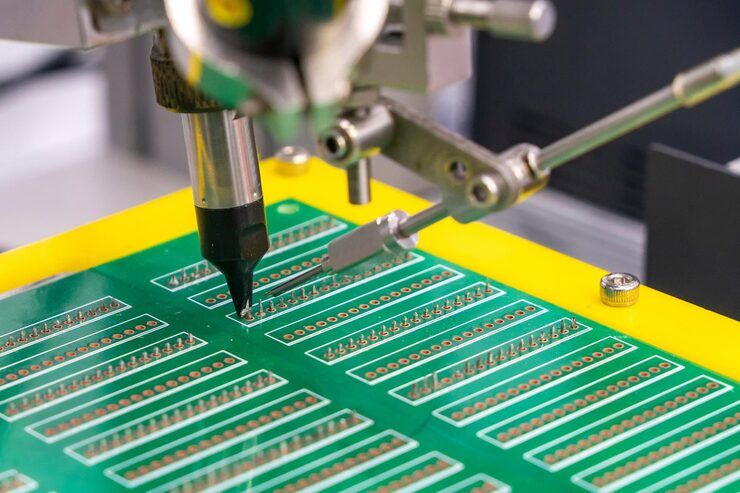
Why Industrial PCB Assembly Manufacturing Matters Today
Industrial PCB assembly manufacturing matters because modern industries rely heavily on electronic control and monitoring systems. From energy generation to transportation and healthcare, dependable electronics are essential for safety, productivity, and system reliability.
Key reasons this topic is important include:
-
Increasing automation across industries
-
Growing complexity of industrial control systems
-
Higher expectations for reliability and uptime
-
Need for standardized quality and traceability
-
Demand for electronics that perform in harsh conditions
| Sector | Role of Industrial PCBs |
|---|---|
| Manufacturing | Automation and control |
| Energy | Power management systems |
| Healthcare | Diagnostic and monitoring equipment |
| Transportation | Signaling and safety systems |
| Infrastructure | Communication and control networks |
Industrial PCB assembly manufacturing helps solve problems such as inconsistent performance, premature failures, and safety risks. By following defined processes and standards, manufacturers can produce assemblies that meet technical and regulatory requirements.
Core Processes in Industrial PCB Assembly
The manufacturing process involves multiple stages, each designed to ensure accuracy and reliability. While the exact flow may vary, the core steps remain consistent across most industrial applications.
Typical stages include:
-
PCB preparation and inspection
-
Component placement
-
Soldering and bonding
-
Cleaning and residue removal
-
Inspection and testing
| Process Stage | Purpose |
|---|---|
| PCB preparation | Ensure board readiness |
| Component placement | Accurate positioning |
| Soldering | Secure electrical connections |
| Cleaning | Remove contaminants |
| Inspection | Verify quality |
Each stage contributes to the overall performance of the final assembly. Careful control at every step reduces defects and improves long-term reliability.
Quality Standards in Industrial PCB Assembly
Quality standards guide industrial PCB assembly manufacturing to ensure consistency, safety, and performance. These standards define acceptable materials, workmanship criteria, and testing requirements.
Common quality focus areas include:
-
Solder joint integrity
-
Component alignment and orientation
-
Traceability of materials and processes
-
Environmental and mechanical durability
-
Documentation and record keeping
| Quality Aspect | Why It Matters |
|---|---|
| Solder quality | Electrical reliability |
| Component accuracy | Functional performance |
| Traceability | Accountability |
| Durability | Long service life |
| Documentation | Compliance support |
Adhering to standards helps organizations reduce rework, minimize failures, and maintain confidence among stakeholders.
Testing Methods Used in Industrial PCB Assembly
Testing is a critical part of industrial PCB assembly manufacturing. It ensures that assemblies meet design requirements and function correctly under expected conditions.
Common testing methods include:
-
Visual inspection for workmanship quality
-
Electrical testing to verify connectivity
-
Functional testing under operating conditions
-
Environmental testing for temperature and vibration
-
Reliability testing for long-term performance
| Testing Method | Primary Objective |
|---|---|
| Visual inspection | Detect visible defects |
| Electrical testing | Confirm circuit integrity |
| Functional testing | Verify real-world operation |
| Environmental testing | Assess durability |
| Reliability testing | Predict lifespan |
Testing helps identify issues early, reducing the risk of failure during operation. In industrial settings, thorough testing is especially important due to the high cost of downtime and repairs.
Recent Updates and Trends in 2024–2025
Industrial PCB assembly manufacturing has seen notable developments over the past year, driven by technology advancements and industry demands.
Key trends include:
-
Early 2024: Increased use of automated inspection systems
-
Mid 2024: Greater focus on traceability and digital documentation
-
Late 2024: Adoption of advanced testing techniques for reliability
-
Early 2025: Emphasis on energy-efficient manufacturing practices
| Timeframe | Trend | Impact |
|---|---|---|
| 2024 | Automation | Improved consistency |
| 2024 | Digital records | Better traceability |
| 2024 | Advanced testing | Higher reliability |
| 2025 | Efficiency focus | Sustainable operations |
These updates reflect a broader shift toward precision, transparency, and sustainability in industrial electronics manufacturing.
Laws, Regulations, and Policy Influence
Industrial PCB assembly manufacturing is influenced by a range of laws and regulations related to safety, environmental protection, and quality management. These rules vary by country but often share common principles.
Key regulatory considerations include:
-
Electrical safety regulations
-
Environmental protection and waste management rules
-
Workplace safety standards
-
Product compliance and certification requirements
-
National industrial development policies
Compliance with these regulations ensures that PCB assemblies are safe to use, environmentally responsible, and suitable for regulated markets. Manufacturers must integrate regulatory awareness into planning and execution to avoid risks and delays.
Tools and Resources Supporting PCB Assembly Manufacturing
Various tools and resources support the planning, production, and verification of industrial PCB assemblies. These resources help maintain consistency and quality across manufacturing stages.
Helpful tools and resources include:
-
Design verification checklists
-
Assembly process flow templates
-
Quality inspection guidelines
-
Testing documentation frameworks
-
Industry reference standards
| Resource Type | Practical Use |
|---|---|
| Checklists | Error prevention |
| Process templates | Standardized workflows |
| Inspection guides | Quality assurance |
| Testing frameworks | Consistent validation |
| Reference standards | Compliance alignment |
These resources support structured decision-making and help teams maintain clarity throughout the manufacturing lifecycle.
Practical Knowledge for Industrial Applications
Industrial PCB assemblies are often deployed in environments that demand high reliability. Practical considerations play a key role in successful manufacturing.
Important considerations include:
-
Component selection based on operating conditions
-
Design for ease of inspection and testing
-
Clear labeling and documentation for maintenance
-
Protection against environmental stress
-
Planning for long-term support and upgrades
| Practical Focus | Benefit |
|---|---|
| Robust components | Reduced failure risk |
| Test-friendly design | Easier validation |
| Clear documentation | Simplified maintenance |
| Environmental protection | Extended lifespan |
| Future planning | Adaptability |
Practical knowledge ensures that PCB assemblies remain functional and maintainable throughout their service life.
Common Challenges in Industrial PCB Assembly
Despite established processes, challenges can arise during manufacturing. Understanding these challenges helps improve planning and execution.
Common challenges include:
-
Managing complex designs
-
Maintaining consistent solder quality
-
Ensuring accurate component placement
-
Handling supply variability
-
Meeting evolving regulatory expectations
Addressing these challenges requires disciplined processes, continuous training, and regular evaluation of manufacturing practices.
Frequently Asked Questions
What distinguishes industrial PCB assembly from consumer PCB assembly?
Industrial PCB assembly focuses on durability, reliability, and long-term performance under harsh conditions.
Why is testing so important in industrial PCB assembly?
Testing helps ensure safe operation, reduces failure risk, and supports reliable system performance.
Are quality standards mandatory for industrial PCB assembly?
Quality standards are often required by regulations, customers, or industry norms to ensure safety and consistency.
How do regulations affect PCB assembly manufacturing?
Regulations influence material choices, manufacturing processes, testing requirements, and documentation practices.
What role does documentation play in industrial PCB assembly?
Documentation supports traceability, compliance, maintenance, and quality assurance throughout the product lifecycle.
Conclusion
Industrial PCB assembly manufacturing is a foundational element of modern industrial systems. By combining structured processes, quality standards, thorough testing methods, and regulatory awareness, this field ensures that electronic assemblies perform reliably in demanding environments.
As industries continue to advance toward automation and digitalization, the importance of dependable PCB assemblies will only increase. Understanding the principles, standards, and practical considerations behind industrial PCB assembly manufacturing helps organizations and stakeholders appreciate its role in supporting safe, efficient, and sustainable industrial operations.