Industrial Plant Dismantling Overview: Key Stages, Challenges, and Best Practices
Industrial plant dismantling is the process of safely taking apart, removing, and managing industrial facilities that have reached the end of their operational life. These facilities may include power stations, manufacturing plants, refineries, chemical processing sites, warehouses, and large production complexes.
Over time, industries change due to technological advancements, environmental requirements, market conditions, and infrastructure modernization. When facilities are no longer needed or become outdated, organizations may undertake industrial plant dismantling services to remove equipment, structures, pipelines, and supporting infrastructure.
The industry involves a wide range of specialists, including industrial demolition contractors, refinery decommissioning contractors, engineers, environmental professionals, and industrial dismantling system integrators. Their work focuses on planning, safety management, material handling, environmental compliance, and site restoration.
Plant closure projects can range from removing a single production line to dismantling an entire industrial complex. Because these facilities often contain heavy equipment and complex systems, careful planning is essential throughout the process.
Importance
Industrial plant dismantling affects businesses, communities, governments, and the environment. It plays a significant role in infrastructure renewal and land redevelopment.
Supporting Industrial Modernization
Many industrial facilities were built decades ago. As technologies evolve, older plants may no longer meet operational requirements. Plant decommissioning services help prepare sites for modernization, redevelopment, or alternative uses.
New industrial projects often depend on the safe removal of outdated infrastructure before construction can begin.
Improving Environmental Management
Older industrial facilities may contain materials that require controlled handling during closure activities. Proper dismantling procedures help reduce environmental risks and support responsible site management.
This is especially important for chemical plant dismantling services and refinery decommissioning contractors working in facilities that previously handled industrial chemicals or petroleum products.
Enhancing Public Safety
Unused industrial sites can present safety concerns if equipment, structures, or utilities remain unmanaged. Dismantling activities help eliminate hazards associated with abandoned infrastructure.
Communities located near former industrial facilities may benefit from improved site conditions following closure and cleanup activities.
Supporting Resource Recovery
Many dismantling projects include the recovery and recycling of materials such as:
- Structural steel
- Copper wiring
- Aluminum components
- Industrial equipment
- Mechanical systems
Resource recovery can reduce waste generation and support broader sustainability objectives.
Recent Updates
Industrial plant dismantling continues to evolve as industries focus on safety, environmental responsibility, and technology-driven project management.
Increased Use of Digital Technologies
Digital planning tools are becoming more common throughout dismantling projects. Industrial dismantling system integrators often use advanced software to map facilities, track equipment, and coordinate project activities.
These technologies can improve planning accuracy and operational visibility.
Growth in Energy Infrastructure Retirement
As energy systems evolve, demand for power plant dismantling services has increased in some regions. Older facilities may be retired and replaced with newer energy infrastructure or alternative land uses.
This trend has contributed to greater attention on large-scale decommissioning practices.
Expansion of Environmental Monitoring
Environmental monitoring technologies are increasingly used during dismantling activities. Sensors and digital tracking systems help monitor air quality, dust levels, noise, and waste management activities.
Such monitoring supports compliance with environmental requirements and project documentation needs.
Greater Focus on Circular Economy Principles
Many projects now emphasize material recovery and recycling. Instead of sending large quantities of material to disposal facilities, organizations often seek opportunities to reuse equipment and recover valuable resources.
This approach aligns with broader sustainability initiatives across industrial sectors.
Enhanced Safety Planning
Safety remains a central priority in dismantling projects. Improved risk assessment methods, digital safety systems, and advanced training programs continue to shape industry practices.
Laws or Policies
Industrial plant dismantling is governed by numerous regulations related to workplace safety, environmental protection, waste management, and land redevelopment.
Environmental Regulations
Environmental laws often influence every stage of a dismantling project. Regulatory authorities may require assessments before demolition or decommissioning activities begin.
Common areas of oversight include:
- Soil protection
- Air quality management
- Water resource protection
- Waste handling procedures
- Hazardous material management
Workplace Safety Requirements
Industrial demolition contractors must operate within workplace safety frameworks designed to protect workers and nearby communities.
These regulations may address:
| Regulatory Area | Purpose |
|---|---|
| Equipment Safety | Safe operation of machinery and tools |
| Worker Protection | Reducing workplace risks |
| Site Access Control | Limiting unauthorized entry |
| Emergency Planning | Managing unexpected incidents |
| Training Requirements | Supporting safe work practices |
Waste Management Rules
Industrial facilities often contain a wide variety of materials that must be sorted, transported, and processed according to applicable regulations.
Waste management policies may determine how materials are categorized, documented, transported, and recycled.
Land Redevelopment Policies
Following plant closure, many sites are redeveloped for industrial, commercial, residential, or public use. Local planning authorities may establish requirements regarding site remediation and future land use.
Tools and Resources
Various tools and resources help organizations manage dismantling and decommissioning projects effectively.
Building Information Modeling Platforms
Building Information Modeling (BIM) software helps project teams create digital representations of facilities before dismantling activities begin.
These models support planning, coordination, and risk identification.
Geographic Information Systems
Geographic Information Systems (GIS) assist in mapping industrial sites, utility networks, environmental features, and surrounding infrastructure.
Project Management Software
Large dismantling projects often rely on project management platforms to coordinate schedules, documentation, contractor activities, and regulatory requirements.
These tools are commonly used within turnkey plant dismantling solutions.
Environmental Assessment Resources
Environmental assessment platforms help organizations evaluate site conditions and track environmental monitoring data throughout project execution.
Asset Inventory Systems
Digital inventory systems allow project teams to document equipment, materials, structures, and utility connections before removal activities begin.
Common Stages of Industrial Plant Dismantling
Site Assessment
Projects typically begin with a detailed evaluation of the facility. Teams review structures, equipment, utilities, environmental conditions, and operational history.
Planning and Documentation
Detailed planning helps establish project scope, safety requirements, environmental controls, and material management strategies.
Utility Isolation
Before dismantling begins, utilities such as electricity, water, gas, and communications systems are disconnected or secured.
Equipment Removal
Industrial machinery, production lines, storage systems, and supporting infrastructure are removed according to project plans.
Structural Dismantling
Buildings and structural components are carefully dismantled using appropriate methods and equipment.
Site Restoration
Following removal activities, sites may undergo cleanup, environmental remediation, and preparation for future use.
Specialized Dismantling Projects
Power Facilities
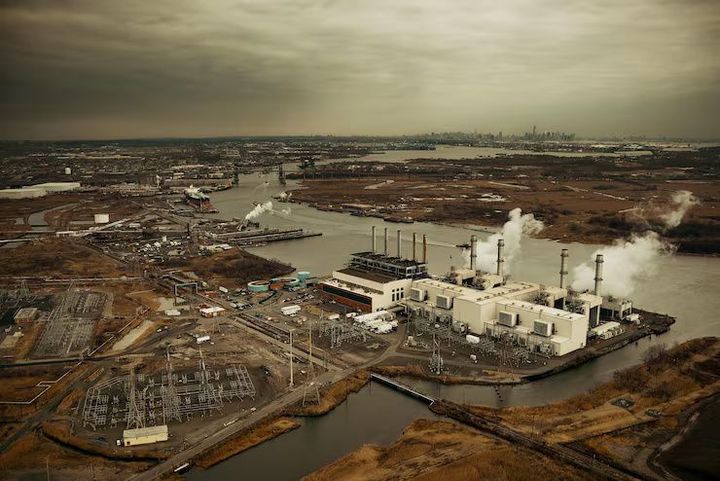
Power plant dismantling services often involve turbines, generators, cooling systems, fuel handling equipment, and extensive utility infrastructure.
These projects can be complex due to the scale of the facilities involved.
Refineries
Refinery decommissioning contractors manage facilities containing processing units, storage tanks, pipelines, and specialized industrial equipment.
Environmental considerations are often significant during refinery closure projects.
Chemical Processing Plants
Chemical plant dismantling services require careful attention to process equipment, storage systems, and material handling infrastructure.
Project planning frequently includes extensive environmental and safety assessments.
Manufacturing Facilities
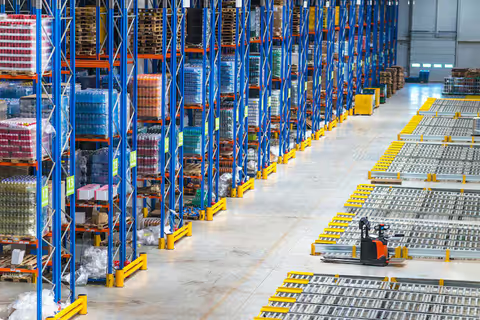
Manufacturing plants may contain production lines, robotics, conveyor systems, and specialized machinery that require systematic removal and documentation.
FAQs
What are industrial plant dismantling services?
Industrial plant dismantling services involve the planned removal of industrial facilities, equipment, structures, and supporting infrastructure after operations have ended.
What do industrial demolition contractors do?
Industrial demolition contractors manage the dismantling and removal of industrial structures while addressing safety, environmental, and regulatory requirements.
How are plant decommissioning services different from demolition?
Plant decommissioning services typically include planning, equipment removal, utility isolation, environmental assessment, and documentation before physical demolition activities occur.
Why are power plant dismantling services important?
Power plant dismantling services help retire aging energy infrastructure safely while preparing sites for future redevelopment or alternative uses.
What role do industrial dismantling system integrators play?
Industrial dismantling system integrators coordinate planning, technology systems, project management tools, and operational activities across complex dismantling projects.
Conclusion
Industrial plant dismantling is an important process that supports infrastructure renewal, environmental management, and industrial modernization. Projects may involve manufacturing facilities, power stations, refineries, and chemical processing plants, each with unique requirements. Industrial demolition contractors, refinery decommissioning contractors, and industrial dismantling system integrators contribute to the planning and execution of these complex activities. Advances in digital technology, environmental monitoring, and resource recovery continue to influence how dismantling projects are managed across the industrial sector.