Industrial Pumps Guide: Discover Maintenance Knowledge for Long-Term Performance
Industrial pumps are mechanical devices used to move liquids, slurries, or chemicals through pipelines and processing systems. These systems are common in manufacturing plants, water facilities, mining operations, food processing plants, and energy production sites. Industrial pumps support the movement of fluids needed for heating, cooling, cleaning, filtration, and chemical processing.
The history of industrial pumps dates back to early mechanical water-lifting tools used in agriculture and construction. Over time, pump technology evolved to support large-scale industrial activity. Today, industrial pump manufacturers produce a wide range of pump designs suited for different environments and materials.
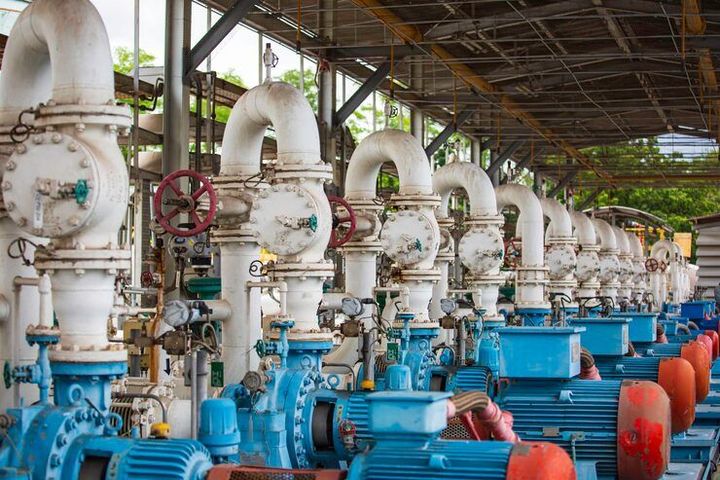
Industrial water pumps are among the most widely used categories because many industries depend on water circulation and wastewater handling. Modern industrial pump systems may include motors, valves, sensors, control panels, and monitoring equipment connected through automation technology.
Industrial pump types and applications
Different industries require different pumping methods depending on pressure, temperature, fluid thickness, and flow rate. Common industrial pump types and applications include:
- Centrifugal industrial pumps: These pumps use rotating impellers to move liquids. They are common in water treatment, HVAC systems, and food processing.
- Positive displacement pumps: These pumps move a fixed amount of liquid with each cycle and are often used in chemical handling and oil processing.
- High pressure industrial pumps: These systems operate in environments requiring strong force, such as boiler systems, hydraulic cleaning, and oil transport.
- Submersible pumps: These pumps work underwater and are commonly used in drainage and wastewater systems.
- Diaphragm pumps: These pumps handle corrosive or abrasive materials and are often found in industrial pumps for chemical industry operations.
The table below shows common pump categories and their industrial uses.
| Pump Type | Common Application | Typical Fluid |
|---|---|---|
| Centrifugal pump | Water circulation | Clean water |
| Diaphragm pump | Chemical transfer | Corrosive chemicals |
| Gear pump | Oil movement | Lubricants and fuel |
| Submersible pump | Wastewater removal | Sewage and slurry |
| Piston pump | High-pressure cleaning | Industrial fluids |
Importance
Industrial pumps play an important role in modern infrastructure and manufacturing. Many everyday activities depend indirectly on pumping systems, including drinking water distribution, fuel transport, food production, and wastewater treatment.
Role in water systems
Industrial pumps for water treatment help move water through filtration and purification stages. Municipal water systems rely on pumping stations to transport water between reservoirs, treatment plants, and households. Wastewater facilities also use pumps to manage sewage and stormwater.
Without reliable pumping systems, water circulation can become inefficient, affecting sanitation and public health. Industrial water pumps also support irrigation systems used in agriculture and landscaping.
Role in manufacturing and processing
Factories use industrial pump systems to transport liquids during heating, cooling, mixing, and cleaning operations. Chemical plants depend on controlled fluid movement to maintain stable production conditions.
Industrial pumps for chemical industry environments often handle hazardous or temperature-sensitive liquids. In these settings, pump materials must resist corrosion and pressure-related wear.
Energy and oil operations
Industrial pumps for oil and gas applications help transport crude oil, refined fuels, and drilling fluids. Pipelines, refineries, and offshore facilities use specialized pumping systems designed for pressure management and continuous operation.
High pressure industrial pumps are particularly important in hydraulic fracturing, boiler systems, and heavy industrial cleaning. These pumps must maintain stable performance under demanding conditions.
Maintenance and long-term performance
Maintenance knowledge is important because industrial pumps operate continuously in many facilities. Poor maintenance can result in leakage, vibration, overheating, or reduced efficiency.
Common maintenance activities include:
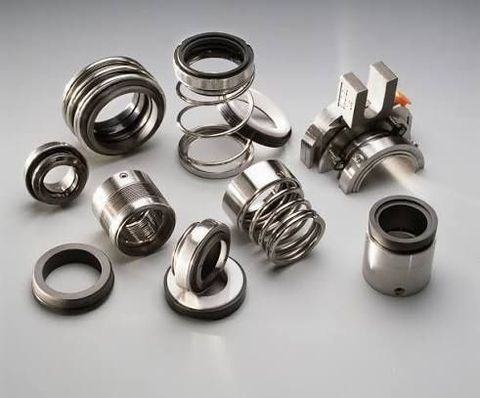
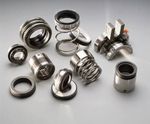
- Checking seals and bearings
- Monitoring vibration levels
- Inspecting pressure and flow readings
- Cleaning filters and intake lines
- Replacing worn components
Industrial pump automation systems now allow operators to monitor pump conditions remotely. Sensors can detect temperature changes, motor strain, or pressure fluctuations before major failures occur.
Recent Updates
Between 2024 and 2026, industrial pump technology has continued to focus on efficiency, digital monitoring, and environmental management. Many industries are updating equipment to reduce energy consumption and improve operational monitoring.
Growth of automation systems
Industrial pump automation systems are becoming more common in manufacturing and utility operations. Modern control systems use sensors and digital dashboards to track:
- Flow rate
- Pressure levels
- Motor temperature
- Energy usage
- Equipment vibration
Automation can help operators identify maintenance needs earlier. Predictive maintenance software also uses historical performance data to estimate when parts may require replacement.
Energy-efficient pump designs
Many industrial pump manufacturers are developing motors and impellers designed to reduce electricity consumption. Variable frequency drives are increasingly used to adjust motor speed based on demand rather than operating continuously at maximum power.
This trend is important because pumping systems may account for a significant portion of industrial electricity use. More efficient operation may help reduce environmental impact and operating strain on infrastructure.
Corrosion-resistant materials
Industries handling aggressive chemicals or saltwater environments are adopting advanced materials such as stainless steel alloys, coated metals, and engineered plastics. These materials can improve durability in industrial pumps for chemical industry and marine applications.
Remote monitoring technologies
Cloud-based monitoring platforms are becoming more common in industrial pump systems. Operators can review pump performance data from remote locations using computers or mobile devices.
Industrial pump distributors and facility operators increasingly use digital maintenance records to track inspection schedules and equipment history.
Laws or Policies
Industrial pumps are affected by environmental regulations, workplace safety rules, and energy-efficiency standards. These regulations vary by country, but many regions follow similar principles related to fluid handling, emissions, and worker protection.
Environmental regulations
Water treatment facilities and manufacturing plants must often comply with wastewater discharge standards. Industrial pumps for water treatment are used to manage filtration, chemical dosing, and sludge movement within regulated systems.
Environmental agencies may regulate:
- Wastewater disposal
- Chemical leakage prevention
- Groundwater protection
- Energy consumption levels
Facilities handling hazardous chemicals may also need containment systems around pumping equipment to reduce spill risks.
Workplace safety standards
Industrial pump systems operate under high pressure and temperature conditions in some environments. Safety rules often require protective equipment, emergency shutoff systems, and regular inspection procedures.
Industrial pumps for oil and gas operations may also fall under additional safety regulations related to fire prevention and pressure management.
Energy efficiency programs
Several governments and industrial organizations encourage energy-efficient equipment use through performance guidelines and efficiency labeling systems. Some industrial facilities track pump efficiency as part of broader environmental reporting programs.
Pump motors and automation systems may need to meet electrical and efficiency standards established by national regulatory agencies.
Tools and Resources
Several digital tools and technical resources help operators and engineers understand industrial pumps and maintenance planning.
Pump selection software
Industrial pump selection guide software helps compare pump specifications based on:
- Flow rate
- Pressure requirements
- Fluid type
- Pipe size
- Operating temperature
These tools may reduce the likelihood of selecting equipment unsuitable for a particular environment.
Monitoring platforms
Industrial pump automation systems often connect to monitoring platforms that display equipment performance in real time. Operators can review alerts related to vibration, pressure changes, or overheating.
Examples of monitoring technologies include:
- SCADA systems
- IoT sensor platforms
- Digital maintenance logs
- Energy tracking dashboards
Industry standards organizations
Technical standards organizations publish guidelines related to pump design, safety, and efficiency. These resources help manufacturers, operators, and industrial pump distributors follow common engineering practices.
Common reference organizations include:
- International Organization for Standardization (ISO)
- Hydraulic Institute
- American Petroleum Institute (API)
- International Electrotechnical Commission (IEC)
Educational resources
Technical manuals, maintenance checklists, engineering publications, and vocational training programs provide information about industrial pump types and applications. Many educational institutions also publish material related to fluid mechanics and industrial equipment operation.
FAQs
What are the main industrial pump types and applications?
Common industrial pump types and applications include centrifugal pumps for water movement, diaphragm pumps for chemicals, gear pumps for oil transfer, and submersible pumps for wastewater systems. Each design is suited to specific pressure, temperature, and fluid conditions.
Why are centrifugal industrial pumps widely used?
Centrifugal industrial pumps are commonly used because they can move large amounts of liquid continuously. They are often found in water treatment plants, cooling systems, irrigation networks, and manufacturing facilities.
How do industrial pumps for water treatment work?
Industrial pumps for water treatment move water through filtration, purification, and distribution systems. Pumps help transport water between tanks, filters, pipelines, and treatment chambers.
What is included in an industrial pump selection guide?
An industrial pump selection guide typically considers flow rate, pressure requirements, fluid characteristics, pipe configuration, and operating environment. Proper selection helps maintain stable pump operation and equipment lifespan.
How do industrial pump automation systems improve maintenance?
Industrial pump automation systems use sensors and digital controls to monitor performance data such as temperature, pressure, and vibration. These systems can help identify maintenance issues before equipment damage becomes severe.
Conclusion
Industrial pumps are important components in water management, manufacturing, energy production, and chemical processing. Different pump designs support different operating conditions, including high-pressure systems and corrosive environments. Maintenance practices, automation systems, and energy-efficient technologies continue to shape how industrial pump systems are managed. Understanding industrial pump types and applications can help readers better recognize the role these systems play in modern infrastructure and industrial operations.