Industrial Tank Manufacturing Insights: Industry Standards and Innovations
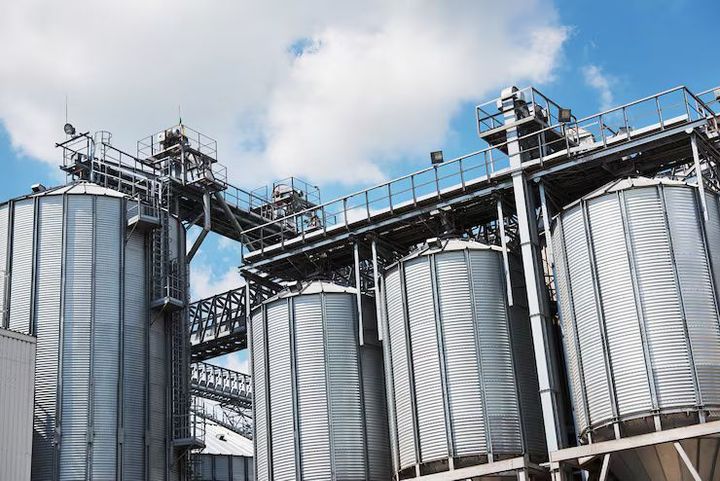
Industrial tank manufacturing plays a vital role in sectors such as water treatment, chemicals, food processing, pharmaceuticals, energy, and agriculture. These tanks are designed to store, process, and transport liquids, gases, and other materials safely under a wide range of operating conditions. As industries expand and environmental expectations increase, manufacturers are focusing on stronger materials, improved safety features, and smarter production methods.
In recent years, industrial tank manufacturing has experienced significant changes driven by technological innovation, sustainability goals, and evolving regulatory requirements. Advances in digital monitoring, corrosion-resistant materials, and automated fabrication techniques are helping improve efficiency and reliability. Understanding industry standards and innovations is important for facility operators, engineers, regulators, and businesses that rely on storage infrastructure.
Context – What It Is, Background, and Purpose
Industrial tank manufacturing refers to the design, engineering, fabrication, testing, and maintenance of tanks used for storing or processing industrial materials. These tanks vary in size, shape, material composition, and function depending on the application. Common materials include carbon steel, stainless steel, fiberglass-reinforced plastic (FRP), polyethylene, and specialized alloys.
The primary purpose of industrial tanks is to safely contain substances while maintaining product quality and protecting workers and the environment. Over time, manufacturing methods have evolved from basic welded structures to highly engineered systems that meet strict performance and safety requirements. Modern tanks often include sensors, monitoring systems, and advanced coatings to improve operational reliability.
Common Types of Industrial Tanks
| Tank Type | Primary Use | Common Material |
|---|---|---|
| Storage Tanks | Holding liquids or chemicals | Steel, FRP |
| Pressure Vessels | Storing materials under pressure | Carbon steel, alloys |
| Water Tanks | Municipal and industrial water storage | Steel, concrete |
| Mixing Tanks | Blending ingredients or chemicals | Stainless steel |
| Cryogenic Tanks | Storing extremely cold substances | Specialized alloys |
| Fuel Tanks | Fuel storage and distribution | Steel, polyethylene |
Importance – Why It Matters and Who It Affects
Industrial tank manufacturing directly impacts operational safety, environmental protection, and production efficiency. Poorly designed or maintained tanks can result in leaks, contamination, equipment failure, and environmental damage. For this reason, quality standards and engineering practices are critical throughout the manufacturing process.
Several groups are affected by industrial tank manufacturing:
- Manufacturing facilities that depend on storage systems
- Water and wastewater treatment operators
- Chemical and pharmaceutical producers
- Food and beverage processing companies
- Environmental regulators and safety inspectors
- Engineering and maintenance professionals
Reliable tank systems help reduce operational interruptions while supporting compliance with environmental and workplace safety requirements.
Recent Updates – Trends and Developments from 2024–2026
The industrial tank manufacturing sector has seen notable developments between 2024 and 2026. These trends reflect broader changes in industrial automation, sustainability, and infrastructure modernization.
Smart Tank Monitoring
Digital monitoring technologies are becoming more common in industrial tanks. Sensors can track:
- Liquid levels
- Temperature
- Pressure
- Corrosion indicators
- Structural conditions
These systems allow operators to identify issues early and improve maintenance planning.
Sustainable Materials and Manufacturing
Manufacturers are increasingly using materials and production methods that reduce environmental impact. Improved coatings, recyclable materials, and energy-efficient fabrication processes are gaining attention across multiple industries.
Advanced Welding and Automation
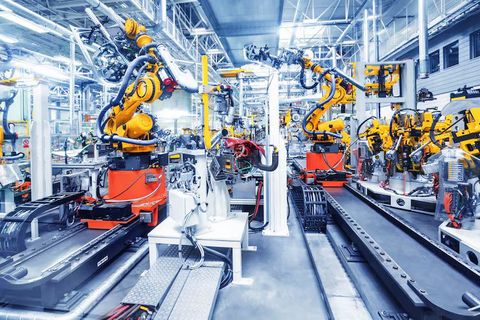
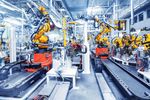
Robotic welding and automated fabrication systems are improving consistency and precision. These technologies help reduce manufacturing errors and support quality control requirements.
Corrosion Protection Innovations
New coating systems and corrosion-resistant materials are extending tank lifespan, particularly in harsh environments such as chemical processing plants and coastal facilities.
Growth in Water Infrastructure Projects
Many regions are investing in water storage and treatment infrastructure. This trend has increased demand for large-capacity tanks designed for municipal and industrial water applications.
Laws or Policies – Relevant Rules, Regulations, or Government Policies
Industrial tank manufacturing is governed by various standards and regulations intended to promote safety, reliability, and environmental protection. Requirements may vary by country and industry sector.
Some widely recognized standards include:
| Standard or Regulation | Purpose |
| ASME Boiler and Pressure Vessel Code | Design and construction of pressure vessels |
| API 650 | Welded steel storage tank requirements |
| API 620 | Large low-pressure storage tanks |
| ISO 9001 | Quality management systems |
| OSHA Regulations | Workplace safety requirements |
| Environmental Protection Rules | Leak prevention and environmental protection |
Environmental Compliance
Environmental regulations often require:
- Secondary containment systems
- Leak detection measures
- Regular inspections
- Documentation and recordkeeping
- Spill prevention planning
These requirements help reduce risks associated with hazardous material storage.
Quality Assurance Requirements
Many industrial tank projects require documented quality control procedures, including:
- Material traceability
- Weld inspections
- Non-destructive testing
- Hydrostatic testing
- Certification reviews
Compliance with these standards supports safer operations and consistent manufacturing quality.
Tools and Resources – Useful Websites, Calculators, Templates, or Platforms
Several resources help professionals involved in industrial tank manufacturing, design, and maintenance.
| Resource Type | Purpose |
| ASME Standards Portal | Engineering codes and standards information |
| API Standards Library | Tank and storage system guidance |
| ISO Resources | International quality standards |
| Tank Volume Calculators | Capacity and sizing calculations |
| Corrosion Assessment Tools | Material evaluation and inspection planning |
| CAD Platforms | Tank design and engineering drawings |
Useful tools commonly used in the industry include:
- Tank volume calculation software
- Pressure vessel design applications
- Structural analysis platforms
- Inspection reporting templates
- Asset management systems
These resources help improve planning, compliance, and operational efficiency throughout a tank's lifecycle.
FAQs
What is industrial tank manufacturing?
Industrial tank manufacturing is the process of designing and fabricating tanks used to store or process liquids, gases, and industrial materials in sectors such as water treatment, chemicals, and food production.
Which materials are commonly used in industrial tanks?
Common materials include carbon steel, stainless steel, fiberglass-reinforced plastic (FRP), polyethylene, and specialized metal alloys selected according to operating conditions.
Why are industry standards important in industrial tank manufacturing?
Industry standards help ensure tanks meet safety, quality, environmental, and performance requirements. They also support consistent manufacturing practices.
What innovations are shaping industrial tank manufacturing?
Recent innovations include smart monitoring systems, automated welding technologies, advanced corrosion-resistant coatings, and digital inspection tools.
How often should industrial tanks be inspected?
Inspection schedules vary depending on tank type, operating conditions, regulatory requirements, and material characteristics. Many facilities follow risk-based inspection programs and applicable industry standards.
Conclusion
Industrial tank manufacturing remains an essential part of modern industrial infrastructure. Industry standards help ensure safety, reliability, and environmental responsibility throughout the tank lifecycle. Recent innovations, including smart monitoring technologies, automation, and advanced materials, are improving performance and maintenance capabilities. As regulations and sustainability expectations continue to evolve, manufacturers and facility operators must stay informed about emerging developments. Understanding these trends and requirements helps support safer and more efficient industrial operations.