Concrete Block Machine Explained: Basics, Working, and Uses
Concrete block machines play an important role in modern construction by producing uniform concrete blocks used in residential, commercial, and infrastructure projects.
These machines help create blocks in different sizes and shapes, making them suitable for walls, pavements, partitions, and landscaping applications. As construction methods continue to improve, concrete block machines have become more efficient and capable of supporting consistent production.
Understanding how a concrete block machine works helps builders, students, and industry professionals appreciate its value in construction. From manual models to fully automated systems, these machines are designed to improve production efficiency while maintaining block quality. This guide explains the basics, working principles, applications, recent developments, regulations, and useful resources related to concrete block machines.
Context – What Is a Concrete Block Machine?
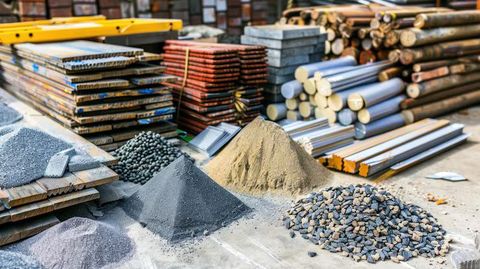
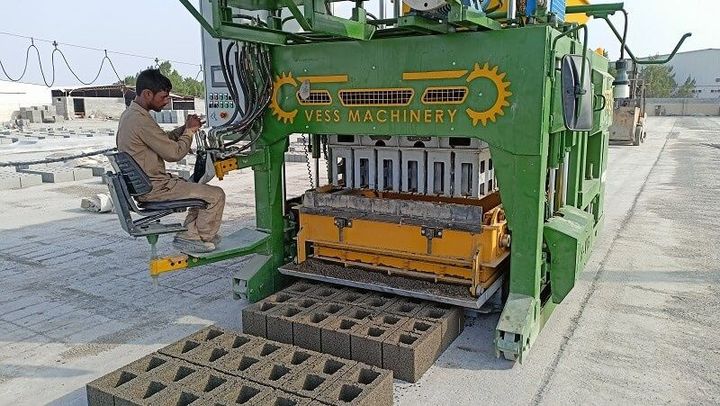
A concrete block machine is equipment designed to manufacture concrete blocks by compressing a mixture of cement, aggregates, sand, water, and other materials into molds. Once the blocks are formed, they are removed from the molds and cured to achieve the required strength before being used in construction.
The development of concrete block manufacturing has evolved alongside advances in construction technology. Earlier production methods relied heavily on manual labor, while today's machines can automate mixing, molding, vibration, compression, and block handling.
The primary purpose of a concrete block machine is to produce durable and consistent concrete blocks suitable for various building applications.
Types of Concrete Block Machines
- Manual concrete block machines
- Semi-automatic concrete block machines
- Fully automatic concrete block machines
- Hydraulic concrete block machines
- Mobile block-making machines
Basic Components
Most concrete block machines include:
- Material hopper
- Mixing unit
- Mold box
- Hydraulic or mechanical press
- Vibration system
- Control panel
- Block discharge system
Importance – Why It Matters and Who It Affects
Concrete block machines contribute to efficient construction by producing standardized building materials with consistent dimensions. Uniform blocks simplify construction work and improve overall project quality.
These machines affect several groups, including:
- Construction companies
- Building material manufacturers
- Civil engineers
- Architects
- Infrastructure developers
- Educational institutions that teach construction technology
Some key advantages include:
- Improved production consistency
- Reduced material waste
- Better dimensional accuracy
- Faster block manufacturing
- Support for large-scale construction projects
The choice of machine depends on production requirements, available space, automation level, and intended applications.
How a Concrete Block Machine Works
The manufacturing process follows several sequential steps.
| Step | Process | Purpose |
|---|---|---|
| 1 | Material preparation | Mix cement, aggregates, sand, and water |
| 2 | Feeding | Transfer mixture into the mold |
| 3 | Vibration | Remove trapped air and improve density |
| 4 | Compression | Form solid concrete blocks |
| 5 | Demolding | Remove freshly formed blocks |
| 6 | Curing | Develop strength through controlled moisture and time |
| 7 | Inspection | Check dimensions and quality before use |
The vibration and compression stages are especially important because they improve block density and structural performance.
Recent Updates – Trends and Developments from 2024–2026
The concrete block manufacturing industry has continued adopting modern technologies between 2024 and 2026. These developments focus on productivity, efficiency, and environmental considerations.
Several notable trends include:
- Increased use of automated production systems
- Digital control panels with programmable settings
- Improved hydraulic systems for consistent pressure
- Better vibration technology for enhanced block density
- Integration of production monitoring software
- Greater emphasis on reducing material waste
- Growing use of recycled construction materials where permitted
Manufacturers have also focused on improving energy efficiency and simplifying machine maintenance. Automation has become more common in medium- and large-scale production facilities, allowing operators to monitor production through centralized control systems.
Data collection and machine diagnostics have become increasingly useful for preventive maintenance and production planning.
Laws or Policies – Relevant Rules, Regulations, or Government Policies
Concrete block manufacturing is generally governed by construction standards, workplace safety regulations, and environmental requirements. The exact regulations vary by country and region.
Common regulatory areas include:
- Building material quality standards
- Occupational health and safety requirements
- Environmental emission regulations
- Dust control measures
- Noise management requirements
- Waste disposal regulations
- Electrical safety standards for industrial machinery
Manufacturers and construction organizations often follow national or international standards that define block dimensions, compressive strength, durability, and testing methods.
Before establishing or expanding production facilities, organizations should review applicable government regulations and local building codes relevant to their location.
Tools and Resources
Several resources help users understand concrete block manufacturing, construction standards, and production planning.
Useful resources include:
- National building code publications
- Government construction departments
- Standards organizations
- Engineering handbooks
- Construction research institutions
- Concrete testing laboratories
- Technical training centers
Helpful tools may include:
- Concrete mix proportion calculators
- Material quantity calculators
- Block volume calculators
- Production planning spreadsheets
- Quality inspection checklists
- Preventive maintenance templates
These resources support better planning, consistent manufacturing practices, and improved quality management.
FAQs
What is a concrete block machine used for?
A concrete block machine manufactures concrete blocks used in residential, commercial, industrial, and infrastructure construction.
How does a concrete block machine produce blocks?
The machine fills molds with a concrete mixture, applies vibration and compression, removes the formed blocks, and prepares them for curing.
What materials are commonly used?
Typical materials include cement, sand, aggregates, water, and, where appropriate, approved supplementary materials.
Why is curing important?
Curing allows concrete blocks to gain strength and durability by maintaining suitable moisture and curing conditions over time.
What factors influence block quality?
Material proportions, mixing consistency, vibration, compression pressure, curing conditions, and quality inspection all affect the final block quality.
Conclusion
Concrete block machines have become an essential part of modern construction by supporting the production of consistent and durable building materials. Their ability to automate key manufacturing processes helps improve efficiency while maintaining product quality. From manual systems to advanced automated equipment, these machines continue to evolve with changing construction needs.
Recent technological developments have introduced smarter controls, improved hydraulic systems, and greater attention to sustainability. Understanding the working principles, regulations, and available resources allows construction professionals, students, and manufacturers to make informed decisions and maintain quality standards throughout the production process.