Learn About Industrial Spare Parts Basics
Industrial spare parts are replacement components used in machinery, equipment, and industrial systems. These parts help maintain operations by replacing worn, damaged, or outdated components. Understanding industrial spare parts basics is important for manufacturers, maintenance teams, facility managers, and anyone involved in industrial operations.
Industrial environments rely on many interconnected machines. Even a small component failure can interrupt production processes and reduce efficiency. Learning about industrial spare parts basics helps organizations improve equipment reliability, support maintenance planning, and reduce unexpected downtime.
Context
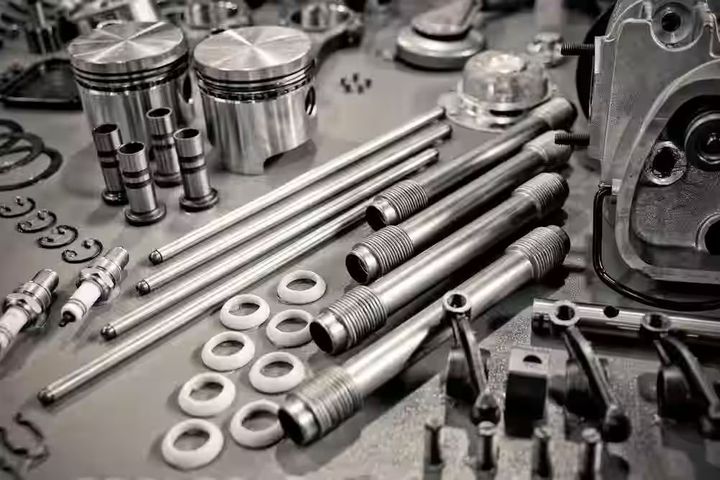
Industrial spare parts are components designed to replace existing parts in machinery and equipment. They can include mechanical, electrical, hydraulic, pneumatic, and electronic components used across industries such as manufacturing, energy, transportation, mining, and construction.
The concept of spare parts has existed since the early stages of industrialization. As machinery became more complex, organizations recognized the need to maintain inventories of critical replacement components. Today, industrial spare parts management is an essential part of modern asset maintenance strategies.
Common Categories of Industrial Spare Parts
| Category | Examples | Purpose |
|---|---|---|
| Mechanical Parts | Bearings, gears, shafts | Support machine movement |
| Electrical Parts | Switches, relays, motors | Control electrical functions |
| Hydraulic Parts | Pumps, valves, seals | Manage fluid-powered systems |
| Pneumatic Parts | Air cylinders, regulators | Operate compressed-air systems |
| Electronic Parts | Sensors, controllers, circuit boards | Monitor and automate processes |
The primary purpose of industrial spare parts is to keep equipment functioning safely and efficiently while supporting routine maintenance and repairs.
Importance
Industrial spare parts play a critical role in operational continuity. Without access to suitable replacement components, organizations may experience equipment failures that affect productivity and maintenance schedules.
Several groups are directly affected by spare parts management:
- Manufacturing facilities
- Utility operators
- Construction companies
- Transportation providers
- Maintenance professionals
- Industrial engineers
Benefits of maintaining appropriate spare parts inventories include:
- Improved equipment reliability
- Reduced downtime risks
- Better maintenance planning
- Enhanced workplace safety
- Longer equipment lifespan
Organizations often classify spare parts based on criticality. Critical parts are those whose failure could significantly impact operations, while non-critical parts have less immediate operational impact.
Recent Updates
The industrial spare parts sector has experienced significant developments between 2024 and 2026. Digital technologies and advanced maintenance strategies continue to shape how organizations manage replacement components.
Emerging Trends
Predictive Maintenance
Many organizations now use sensors and monitoring systems to predict equipment failures before they occur. This approach helps maintenance teams identify when spare parts may be needed and supports more efficient inventory planning.
Digital Inventory Management
Cloud-based inventory platforms are increasingly used to track spare parts availability, usage history, and maintenance schedules. These systems help improve visibility across facilities and storage locations.
Other notable developments include:
- Increased use of industrial automation
- Greater focus on supply chain resilience
- Expansion of digital asset management systems
- Improved equipment monitoring technologies
- Growth of data-driven maintenance planning
Sustainability has also become an important consideration. Organizations are focusing on extending equipment life through maintenance practices and efficient spare parts utilization.
Laws or Policies
Industrial spare parts are subject to various regulations depending on the country, industry, and equipment type. Compliance helps ensure safety, quality, and operational reliability.
Key regulatory areas often include:
- Workplace safety requirements
- Equipment maintenance standards
- Environmental regulations
- Quality management systems
- Industry-specific compliance frameworks
In many regions, occupational safety regulations require organizations to maintain machinery in safe operating condition. Maintenance records and replacement component documentation may be necessary to demonstrate compliance.
Quality management frameworks such as ISO standards are commonly used in industrial environments. Relevant standards may include:
| Standard Area | Purpose |
| Quality Management | Supports consistent operational processes |
| Asset Management | Helps manage equipment throughout its lifecycle |
| Occupational Safety | Promotes safe workplace practices |
| Environmental Management | Supports environmental compliance efforts |
Organizations should review local regulations and industry-specific requirements to ensure proper maintenance and spare parts management practices.
Tools and Resources
Several tools and resources can help individuals and organizations better understand and manage industrial spare parts.
Useful resource categories include:
Inventory and Maintenance Platforms
These platforms help track spare parts inventory, maintenance schedules, and equipment history. Features often include inventory monitoring, reporting, and asset tracking.
Equipment Documentation
Manufacturers typically provide:
- Equipment manuals
- Technical drawings
- Maintenance schedules
- Parts catalogs
- Troubleshooting guides
These documents help identify compatible replacement components and maintenance procedures.
Government and Standards Resources
Useful information can often be found through:
- National occupational safety agencies
- Standards organizations
- Industry associations
- Manufacturing councils
- Technical training institutions
Maintenance Calculators and Templates
Common resources include:
| Resource Type | Purpose |
| Inventory Templates | Track stock levels |
| Maintenance Checklists | Support inspections |
| Downtime Tracking Sheets | Monitor equipment performance |
| Asset Registers | Record equipment details |
| Lifecycle Planning Tools | Estimate maintenance needs |
These tools help organizations improve planning and documentation.
FAQs
What are industrial spare parts?
Industrial spare parts are replacement components used to repair, maintain, or restore machinery and equipment in industrial settings.
Why are industrial spare parts important?
They help maintain equipment performance, reduce operational interruptions, support safety requirements, and extend machinery lifespan.
What is the difference between spare parts and consumables?
Spare parts replace equipment components when needed, while consumables are items regularly used during operations, such as lubricants, filters, or cleaning materials.
How are critical spare parts identified?
Critical spare parts are typically identified based on their impact on safety, production continuity, repair time, and equipment performance.
What role does technology play in spare parts management?
Technology helps track inventory, monitor equipment condition, support predictive maintenance, and improve maintenance planning through digital systems.
Conclusion
Understanding industrial spare parts basics is essential for effective equipment maintenance and operational reliability. Spare parts support machinery performance, reduce downtime risks, and contribute to workplace safety. Recent developments such as predictive maintenance, digital inventory systems, and data-driven asset management continue to improve spare parts management practices. By following relevant regulations and using appropriate tools and resources, organizations can make informed maintenance decisions and support long-term equipment performance.