Industrial Systems Integration Insights: Improving Automation, Productivity, and Operational Efficiency
Industrial systems integration is the process of connecting machines, software, sensors, control systems, and communication networks so they work together as one coordinated industrial environment.
Instead of operating as separate units, integrated systems exchange information automatically, allowing manufacturing facilities and industrial operations to improve communication, coordination, and operational visibility. Industrial systems integration plays an important role across manufacturing, energy, logistics, food processing, pharmaceuticals, and many other sectors where multiple technologies must function together.
The concept has evolved alongside advances in industrial automation, digital communication, and information technology. Today, industrial systems integration combines mechanical equipment with programmable controllers, industrial networks, cloud computing, and data analytics to create connected production environments that support informed operational decisions.
Context
What Is Industrial Systems Integration?
Industrial systems integration involves linking equipment and digital platforms so information moves efficiently between different parts of an industrial operation. Rather than requiring separate monitoring for every machine, integrated systems allow production equipment, monitoring devices, and management software to exchange information through standardized communication methods.
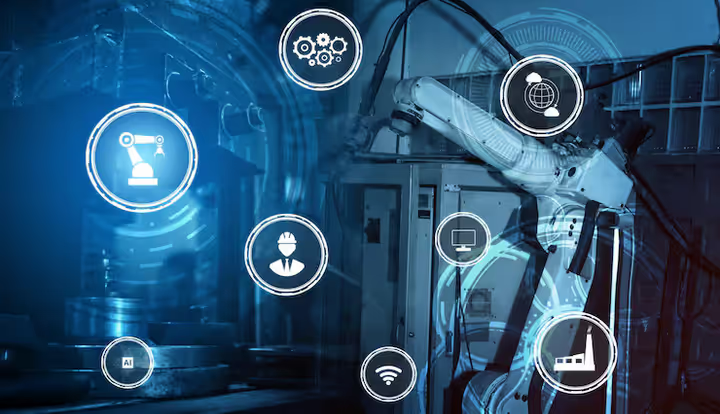
Integration can occur between production machinery, industrial robots, programmable logic controllers (PLCs), supervisory control and data acquisition (SCADA) systems, enterprise resource planning (ERP) software, quality inspection equipment, and warehouse management platforms.
How Industrial Systems Integration Developed
Earlier industrial facilities often relied on standalone machines with limited communication capabilities. Operators manually transferred production information between departments, making coordination more time-consuming.
As industrial networking technologies improved, manufacturers began connecting production equipment through digital communication protocols. Continued advances in automation, Industrial Internet of Things (IIoT), cloud computing, and artificial intelligence have expanded the capabilities of industrial systems integration.
Core Components
Several technologies commonly participate in industrial systems integration.
- Programmable logic controllers coordinate machine operations.
- Industrial sensors collect operational information.
- SCADA platforms monitor industrial processes.
- Human-machine interfaces display operating information.
- Industrial communication networks connect equipment.
- Databases organize production records.
- Cloud platforms support remote information access.
- Cybersecurity tools help protect industrial networks.
Common Integration Levels
Industrial systems integration can connect different operational layers.
| Integration Level | Main Purpose | Typical Technologies |
|---|---|---|
| Machine level | Equipment control | PLCs and sensors |
| Production level | Process monitoring | SCADA systems |
| Plant level | Operational coordination | Manufacturing execution systems |
| Business level | Production planning | ERP software |
| Cloud level | Data analysis | Cloud platforms and analytics |
Importance
Why Industrial Systems Integration Matters
Modern manufacturing often involves hundreds of machines operating simultaneously. Industrial systems integration helps coordinate these systems so production information moves more efficiently throughout a facility.
Improved communication between equipment can also support production planning, quality monitoring, inventory management, and maintenance scheduling.
Industries Using Industrial Systems Integration
Industrial systems integration supports many sectors, including:
- Manufacturing
- Automotive production
- Food processing
- Pharmaceutical manufacturing
- Chemical processing
- Water treatment
- Energy generation
- Mining
- Logistics
- Electronics manufacturing
Each industry adapts integration methods according to its operational requirements.
Challenges Addressed
Industrial environments frequently encounter operational challenges that integration helps manage.
Common examples include:
- Information stored in separate systems.
- Manual data entry.
- Limited production visibility.
- Equipment compatibility.
- Complex maintenance planning.
- Production scheduling.
- Quality tracking.
- Inventory coordination.
Connecting equipment through standardized communication methods can improve coordination across these activities.
Connection to Everyday Life
Many products used every day—including household appliances, packaged foods, vehicles, electronics, medical equipment, and construction materials—are manufactured in facilities that rely on industrial systems integration. Although consumers rarely see these technologies, integrated production systems contribute to efficient manufacturing and consistent product quality.
Recent Updates
Industrial Internet of Things Expansion
Industrial Internet of Things technology continues expanding across manufacturing environments. Connected sensors collect information related to machine performance, temperature, vibration, pressure, and energy consumption, allowing industrial systems integration platforms to organize operational information in real time.
Artificial Intelligence Applications
Artificial intelligence is increasingly incorporated into industrial systems integration. AI tools analyze production information, identify operating patterns, assist predictive maintenance programs, and support quality inspection processes using machine learning techniques.
Cloud-Based Manufacturing
Cloud computing has become more common within industrial systems integration. Cloud platforms allow production information to be securely organized, reviewed, and analyzed across multiple facilities while supporting collaboration between engineering teams.
Digital Twin Technology
Digital twins are virtual models that represent physical equipment or production processes. Industrial systems integration increasingly incorporates digital twins to evaluate equipment performance, simulate production scenarios, and assist engineering analysis before operational changes are implemented.
Greater Focus on Cybersecurity
As industrial networks become more connected, cybersecurity continues receiving greater attention. Organizations increasingly strengthen network segmentation, authentication methods, encryption, and continuous monitoring to reduce cybersecurity risks affecting industrial operations.
Laws or Policies
Workplace Safety Regulations
Industrial facilities using integrated production systems generally follow occupational safety regulations covering machine operation, electrical safety, emergency procedures, protective equipment, and operational risk management.
These regulations help maintain safe working environments throughout industrial facilities.
Data Protection Requirements
Industrial systems integration often involves collecting and storing operational information. Depending on the country, organizations may follow data protection regulations governing information management, cybersecurity, and digital infrastructure.
Machinery Standards
Industrial equipment typically follows recognized engineering standards covering machinery design, electrical systems, industrial communication, and automation technologies. These standards improve compatibility between equipment from different manufacturers.
Environmental Regulations
Many industrial operations operate within environmental regulations addressing emissions, energy management, waste handling, and resource conservation. Integrated monitoring systems can assist organizations in documenting operational information associated with regulatory compliance.
Tools and Resources
Industrial systems integration relies on numerous technical tools and educational resources.
Engineering Software
Common software categories include:
- PLC programming platforms
- SCADA development software
- Computer-aided design applications
- Manufacturing execution systems
- ERP software
- Industrial simulation tools
These applications assist engineering design, monitoring, and operational planning.
Network Monitoring Tools
Industrial communication networks are supported by diagnostic software, protocol analyzers, network monitoring platforms, and cybersecurity assessment tools that help evaluate communication performance and network health.
Data Analytics Platforms
Analytics platforms organize operational information collected from machines, sensors, and production equipment. Engineers use these tools to review manufacturing trends, equipment utilization, and process performance over time.
Educational Resources
Universities, engineering institutes, industrial automation organizations, manufacturing associations, standards bodies, scientific journals, and government industry departments publish educational materials covering industrial systems integration, automation technologies, cybersecurity, industrial networking, and digital manufacturing.
FAQs
What is industrial systems integration?
Industrial systems integration is the process of connecting machines, software, sensors, and communication networks so they can exchange information and operate together within an industrial environment.
Why is industrial systems integration important in manufacturing?
Industrial systems integration improves communication between equipment, supports production monitoring, assists maintenance planning, and helps organize manufacturing information across different operational areas.
Which technologies are commonly used in industrial systems integration?
Common technologies include programmable logic controllers, SCADA systems, Industrial Internet of Things sensors, industrial communication networks, cloud computing platforms, manufacturing execution systems, and enterprise resource planning software.
Which industries use industrial systems integration?
Manufacturing, automotive production, food processing, pharmaceuticals, mining, energy generation, logistics, electronics, and water treatment commonly use industrial systems integration to coordinate production activities.
How does industrial systems integration support automation?
Industrial systems integration allows automated equipment to exchange operational information, coordinate production activities, monitor machine performance, and organize manufacturing data through connected digital systems.
Conclusion
Industrial systems integration connects machinery, automation platforms, communication networks, and software into coordinated production environments. Continued advances in Industrial Internet of Things technology, artificial intelligence, cloud computing, digital twins, and cybersecurity are shaping modern industrial operations. These technologies support improved communication, operational visibility, and informed decision-making across many industries. Understanding industrial systems integration provides valuable insight into the technologies that connect today's manufacturing and industrial environments.