Industrial Panel Overview: Design, Types and Practical Applications
Industrial panels are an important part of modern electrical and automation systems. They help organize electrical equipment, distribute power, and control machines across different industries. From manufacturing facilities to water treatment plants and commercial buildings, industrial panels support the safe and reliable operation of electrical systems. As industries continue adopting automation and advanced equipment, industrial panels have become more sophisticated while remaining essential to daily operations.
Understanding how these panels work can help engineers, technicians, students, and business owners make informed decisions when planning or maintaining electrical infrastructure.
This guide explains what an industrial panel is, its major components, common types, applications, benefits, maintenance practices, and important safety considerations in simple and easy-to-understand language.
What Is an Industrial Panel?
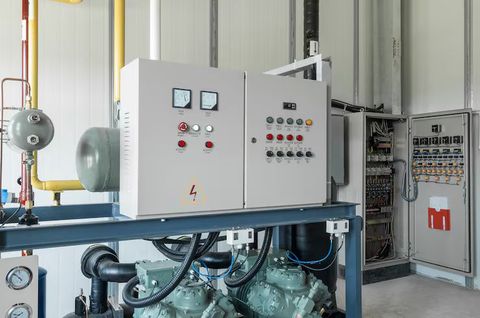
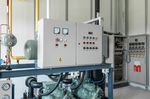
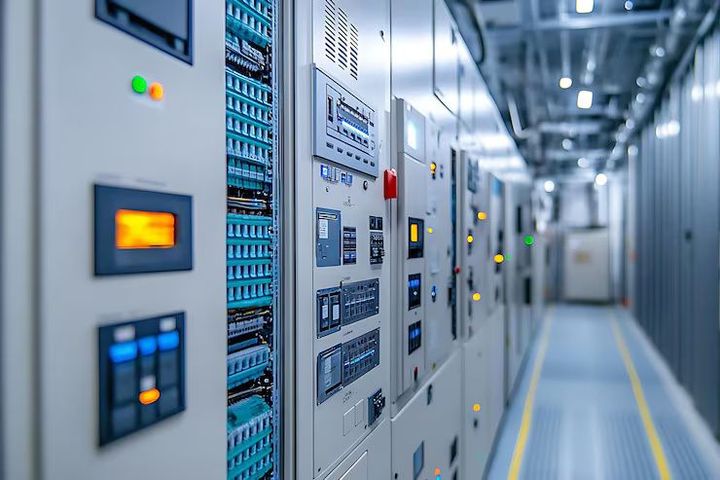
An industrial panel is an enclosed electrical cabinet that contains components used to control, monitor, and distribute electrical power. It acts as a central location where electrical devices are arranged in an organized manner for safe operation.
The enclosure protects sensitive electrical equipment from dust, moisture, accidental contact, and environmental conditions while allowing technicians to inspect or maintain the system when needed.
Industrial panels are commonly found in:
- Manufacturing plants
- Processing facilities
- Warehouses
- Power generation facilities
- Water and wastewater plants
- Food processing units
- Pharmaceutical facilities
- Commercial buildings
Although designs vary depending on the application, the overall purpose remains the same: managing electrical equipment safely and efficiently.
Main Components of an Industrial Panel
Every industrial panel contains several electrical components working together. The exact combination depends on the equipment being controlled.
Circuit Breakers
Circuit breakers protect electrical circuits from excessive current. When abnormal electrical conditions occur, they automatically disconnect the affected circuit to reduce equipment damage.
Contactors
Contactors control high-power electrical loads such as motors, pumps, and compressors. They allow equipment to start and stop through electrical signals rather than manual switching.
Relays
Relays act as electrically operated switches. They help control multiple circuits and provide isolation between control signals and power circuits.
Power Supply Units
Many industrial panels include power supplies that convert incoming electrical power into the voltage required by controllers, sensors, and communication devices.
Programmable Logic Controllers (PLCs)
PLCs are widely used in automation systems. They process input signals from sensors and generate output signals that control machinery according to programmed instructions.
Human Machine Interface (HMI)
An HMI allows operators to monitor machine status and interact with the control system using a touchscreen or display.
Terminal Blocks
Terminal blocks organize wiring connections, making installation and maintenance easier while reducing wiring errors.
Fuses
Fuses provide another level of electrical protection by interrupting current flow when excessive current passes through the circuit.
Indicators and Push Buttons
Panels often include indicator lights, emergency stop buttons, selector switches, and start or stop buttons for equipment operation.
Types of Industrial Panels
Industrial panels are designed for different purposes depending on the electrical system.
Power Distribution Panel
These panels distribute electrical power from the main source to various equipment and sections within a facility.
Typical applications include:
- Production lines
- Lighting systems
- HVAC equipment
- Utility equipment
Motor Control Panel
Motor control panels manage electric motors used in industrial machinery. They include motor starters, overload protection, and control devices.
They are commonly used for:
- Pumps
- Fans
- Compressors
- Conveyors
- Mixers
Automation Control Panel
Automation panels contain PLCs, communication modules, sensors, and other automation equipment used to control industrial processes.
These panels support automated production with minimal manual intervention.
PLC Control Panel
A PLC control panel focuses mainly on programmable controllers and related input/output modules.
These panels are widely used in automated manufacturing environments.
MCC Panel
Motor Control Center (MCC) panels house multiple motor control units within one enclosure. They simplify motor management in facilities operating numerous electric motors.
Synchronization Panel
Synchronization panels coordinate multiple generators operating together while maintaining voltage and frequency stability.
How Industrial Panels Work
An industrial panel receives electrical power from the incoming supply.
Inside the enclosure, protective devices monitor electrical conditions before power reaches various control components.
Control devices such as PLCs receive information from sensors installed throughout the production process. Based on programmed instructions, the controller activates contactors, relays, or other switching devices.
Operators monitor equipment using displays and indicators while protective devices continuously monitor for abnormal electrical conditions.
The coordinated operation of these components allows industrial machinery to perform tasks safely and consistently.
Applications of Industrial Panels
Industrial panels support many industries and operational environments.
Manufacturing
Factories use industrial panels to control assembly lines, robotic systems, packaging equipment, and production machinery.
Water Treatment
Water treatment facilities use control panels to manage pumps, valves, filtration systems, and chemical dosing equipment.
Food Processing
Food production plants depend on control panels for conveyor systems, mixing equipment, temperature control, and packaging operations.
Pharmaceutical Manufacturing
Industrial panels help control production equipment requiring accurate process management and monitoring.
Oil and Gas
Industrial facilities use electrical panels for pumping stations, monitoring systems, safety equipment, and process automation.
Renewable Energy
Solar and wind installations use industrial panels to monitor electrical generation, distribution, and system performance.
Commercial Buildings
Large commercial facilities use electrical panels to manage HVAC systems, lighting, elevators, and backup power equipment.
Advantages of Industrial Panels
Industrial panels provide several practical advantages for electrical systems.
Improved Organization
Electrical components remain organized inside one enclosure, making systems easier to understand and maintain.
Increased Safety
Protective enclosures reduce accidental contact with energized equipment while shielding components from environmental conditions.
Reliable Operation
Properly designed panels help electrical equipment operate consistently by providing controlled power distribution and protection.
Easier Maintenance
Clearly labeled wiring and organized components allow technicians to inspect and maintain equipment more efficiently.
Flexible Expansion
Many industrial panels can accommodate additional equipment as operational requirements change over time.
Better Process Control
Automation panels improve monitoring and equipment coordination across industrial operations.
Factors to Consider When Choosing an Industrial Panel
Selecting an industrial panel depends on several technical considerations.
Important factors include:
- Electrical load requirements
- Voltage rating
- Current capacity
- Environmental conditions
- Available installation space
- Type of machinery
- Required protection level
- Future expansion plans
- Automation requirements
- Industry standards
Careful planning helps ensure the panel matches the intended application.
Industrial Panel Maintenance
Regular maintenance supports safe and dependable operation.
Common maintenance activities include:
- Inspecting wiring connections
- Cleaning dust from internal components
- Checking indicator lights
- Examining circuit breakers
- Testing protective devices
- Looking for overheating signs
- Tightening loose terminals
- Verifying cooling fan operation
- Reviewing control system performance
Scheduled inspections help identify potential issues before they affect production.
Safety Considerations
Electrical equipment should always be handled with appropriate safety procedures.
Important safety practices include:
- Disconnect electrical power before maintenance.
- Use proper lockout and tagout procedures.
- Wear suitable personal protective equipment.
- Inspect wiring regularly.
- Replace damaged components promptly.
- Follow manufacturer instructions.
- Keep panel doors properly closed during operation.
- Maintain clear identification labels.
Only qualified personnel should perform electrical work inside industrial panels.
Future Trends in Industrial Panels
Industrial panels continue evolving alongside automation technology.
Current developments include:
- Smart monitoring systems
- Remote diagnostics
- Industrial Internet of Things (IIoT) connectivity
- Digital energy monitoring
- Predictive maintenance tools
- Compact panel designs
- Advanced communication protocols
- Improved cybersecurity features
These technologies improve visibility into equipment performance while supporting more efficient industrial operations.
Conclusion
Industrial panels form the foundation of electrical control and automation across many industries. They organize electrical components, distribute power, protect equipment, and support automated processes within a secure enclosure.
Whether used in manufacturing, water treatment, commercial buildings, renewable energy, or process industries, industrial panels contribute to reliable electrical operation and efficient system management. Understanding their components, functions, applications, and maintenance practices provides valuable knowledge for anyone interested in industrial electrical systems.