Explore Metal Processing Machines: Basics, Types and Uses
Metal processing machines are used to cut, shape, form, join, finish, and inspect metal parts. They are found in manufacturing plants, workshops, construction equipment production, automotive manufacturing, aerospace, energy systems, household appliance production, and many other industries.
These machines help transform raw metal sheets, bars, tubes, castings, and coils into components with specific sizes and functions.
The term metal processing machines covers many types of equipment, from manual cutting tools to computer-controlled machining centers. Each machine is designed for a particular stage of metalworking, such as preparing raw material, removing extra material, bending a sheet, drilling a hole, welding a joint, or improving surface quality. Understanding the basics, types, and uses of metal processing machines helps readers see how modern metal products are made.
Context – What Are Metal Processing Machines?
Metal processing machines are industrial machines that change the shape, size, surface, or structure of metal. They may work through cutting, pressing, drilling, grinding, heating, welding, rolling, or automated machining.
Metalworking has existed for centuries, but machinery has made the process more consistent and efficient. Earlier workshops depended heavily on hand tools and manual skills. Today, many metal processing tasks use electric motors, hydraulic systems, sensors, computer numerical control systems, and digital measurement tools.
The main purpose of these machines is to produce metal parts that meet technical requirements. A machine may create a simple metal bracket, a precision gear, a vehicle body panel, a pipe fitting, a tool component, or a large industrial frame.
Main Stages of Metal Processing
Metal processing often happens in a sequence. Raw material is first cut or prepared, then shaped or machined, followed by joining, finishing, and inspection.
| Metal Processing Stage | Common Machine Type | Main Purpose |
|---|---|---|
| Material preparation | Band saw, shear machine | Cuts sheets, bars, or tubes |
| Machining | Lathe, milling machine, CNC machine | Removes material to create accurate shapes |
| Forming | Press brake, rolling machine | Bends or forms metal |
| Hole making | Drill press, punching machine | Creates holes and openings |
| Joining | Welding machine | Connects metal parts |
| Surface finishing | Grinder, polishing machine | Improves smoothness and appearance |
| Quality inspection | Measuring tools, coordinate measuring machine | Checks dimensions and accuracy |
Importance – Why Metal Processing Machines Matter
Metal processing machines matter because metal parts are used in almost every major sector. Buildings need steel structures and fasteners. Vehicles need engines, frames, gears, panels, and braking components. Medical equipment needs precisely made metal parts. Energy systems need pipes, valves, turbines, and electrical enclosures.
These machines affect manufacturers, engineers, technicians, maintenance teams, construction companies, transport industries, and consumers. A small change in machining accuracy can influence the strength, fit, and performance of a finished component.
Accuracy is especially important when parts must work together. For example, a gear must match another gear correctly. A pipe connection must fit securely. A machine housing must have the right dimensions for internal components. Metal processing machines help create repeatable results across many parts.
Machine safety is also important in metalworking environments. Cutting tools, rotating parts, flying chips, sparks, hot surfaces, and moving workpieces can create hazards. Safety guards, interlocks, emergency stops, protective equipment, and proper operating procedures reduce these risks. OSHA guidance highlights the importance of guarding machine areas from hazards such as rotating parts, nip points, flying chips, and sparks.
Common Types of Metal Processing Machines
Some widely used metal processing machines include:
- Lathes, which rotate a workpiece while a cutting tool shapes it.
- Milling machines, which use rotating cutters to remove material.
- CNC machines, which follow programmed instructions for accurate machining.
- Drill presses, which create holes in metal parts.
- Press brakes, which bend sheet metal.
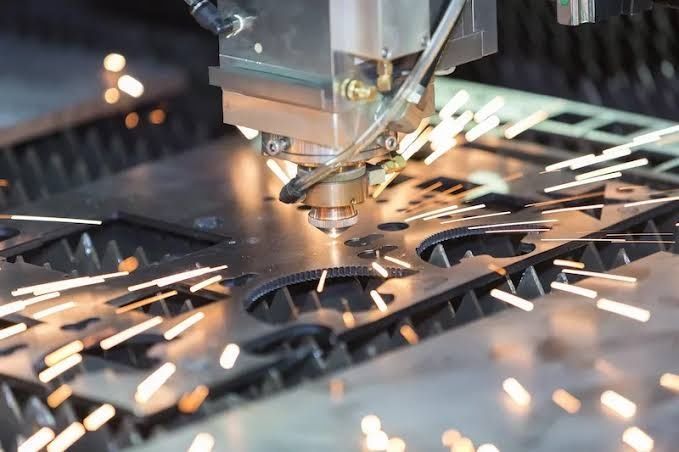
- Laser cutting machines, which use focused laser energy for cutting.
- Plasma cutting machines, which cut conductive metals using a high-temperature plasma arc.
- Grinding machines, which smooth or finish metal surfaces.
- Welding machines, which join metal pieces through heat, pressure, or both.
- Rolling machines, which form sheets or plates into curved shapes.
Recent Updates – Trends and Developments from 2024–2026
Between 2024 and 2026, metal processing machines continued to become more connected, automated, and data-driven. Manufacturers increasingly used sensors and software to monitor machine condition, track production activity, and identify quality issues earlier in the process.
CNC technology remains important because it helps machine operators produce detailed shapes with controlled movement. Modern CNC systems can work with digital design files and programmed tool paths, making them suitable for repeated production and complex components.
Automation has also expanded in metal fabrication. Robotic welding cells, automated sheet loading systems, material handling equipment, and machine tending systems are being used to reduce repetitive manual work. Collaborative robots, often called cobots, are also gaining attention because they can support certain tasks near human workers when appropriate safety measures are in place.
Artificial intelligence and machine learning are becoming more relevant in smart manufacturing. Current research and industry roadmaps describe growing use of AI for industrial sensing, digital twins, predictive maintenance, quality analysis, autonomous systems, and data-based decision-making. These developments may help factories detect machine wear, improve planning, and reduce material waste.
Another notable trend is greater attention to energy efficiency and material efficiency. Metalworking operations can use significant electricity, cooling fluids, compressed air, and raw materials. Newer manufacturing approaches often focus on improving machine utilization, reducing scrap, and selecting processes that use material more efficiently.
Laws or Policies – Rules Relevant to Metal Processing Machines
Rules for metal processing machines differ by country, industry, workplace type, and machine application. However, machine safety is a common legal and operational concern across many regions.
In the United States, OSHA standards address machine guarding and workplace safety. OSHA states that machine guarding methods should protect operators and others from hazards such as points of operation, rotating parts, flying chips, and sparks.
International standards also provide useful guidance. ISO 12100 focuses on machinery safety, including identifying hazards, evaluating risks, and reducing risks throughout the machine life cycle. It is commonly used as a reference framework for machine design and safety planning.
In India, factory safety requirements have historically included provisions related to dangerous machinery and guarding. Section 21 of the Factories Act, 1948 addresses fencing of moving and dangerous machinery parts. Actual obligations may also depend on state rules, workplace conditions, and newer labour-code implementation requirements.
Businesses using metal processing machines should review applicable local laws, electrical standards, worker safety rules, environmental requirements, and equipment documentation. Rules may apply to noise, ventilation, welding fumes, metalworking fluids, waste handling, fire prevention, and employee training.
Tools and Resources – Useful Learning Materials
Several tools and resources can help people understand metal processing machines more clearly.
Technical drawings are important because they show dimensions, tolerances, hole positions, material details, and part requirements. CAD software is commonly used to create these digital designs before manufacturing begins.
CAM software helps convert design data into machining instructions. It can generate tool paths for CNC milling, turning, drilling, and cutting processes. Machine operators and programmers often use these instructions to control production.
Measurement tools are equally important. Vernier calipers, micrometers, height gauges, dial indicators, and coordinate measuring machines help verify whether a finished metal part matches its required dimensions.
Useful learning resources include official safety guidance, machinery manuals, technical standards, vocational training materials, engineering textbooks, and manufacturer documentation. OSHA also identifies health and safety risks related to metalworking fluids, including possible exposure through skin contact, mist, and inhalation.
FAQs
What are metal processing machines used for?
Metal processing machines are used to cut, shape, bend, drill, weld, grind, polish, and inspect metal materials. They help create parts for vehicles, machines, buildings, tools, electronics, and industrial equipment.
What is the difference between CNC machines and manual machines?
Manual machines are controlled directly by an operator using handles, levers, and physical adjustments. CNC machines use programmed instructions to control movement and cutting operations with higher repeatability.
Which metal processing machine is used for bending sheets?
A press brake is commonly used for bending sheet metal. Rolling machines may also be used when the metal must be shaped into curves or cylinders.
Why is machine guarding important in metalworking?
Machine guarding helps protect people from moving parts, cutting areas, sparks, flying chips, and other hazards. It is an important part of safe machine operation.
What is metal finishing?
Metal finishing is the process of improving a metal surface after shaping or machining. It can include grinding, polishing, deburring, coating preparation, and surface cleaning.
Conclusion
Metal processing machines are essential tools used to turn raw metal into useful parts and products. They support cutting, shaping, drilling, bending, welding, grinding, and inspection across a wide range of industries.
From basic lathes and drill presses to advanced CNC machines and robotic systems, metal processing technology continues to develop. Recent trends show stronger use of automation, digital monitoring, AI-based analysis, and improved safety systems.
Understanding the basics, types, and uses of metal processing machines helps readers recognize how metal components are produced and why accuracy, safety, and process control are important.
As manufacturing technology continues to change, these machines will remain central to producing reliable metal parts for infrastructure, transport, energy, machinery, and everyday products.