Galvanizing Plant Explained: Introduction, Process and Industry Insights
Galvanizing plants play an important role in protecting steel from rust and corrosion. Industries such as construction, transportation, power, infrastructure, agriculture, and manufacturing rely on galvanized steel because it remains durable even in challenging environmental conditions. By applying a protective zinc coating, galvanizing helps extend the life of steel products while reducing maintenance requirements over time.
Understanding how a galvanizing plant works can help engineers, students, business owners, and anyone interested in industrial manufacturing. This article explains the galvanizing process, its importance, recent developments, regulations, and useful resources in a simple and informative way.
Context – What Is a Galvanizing Plant?
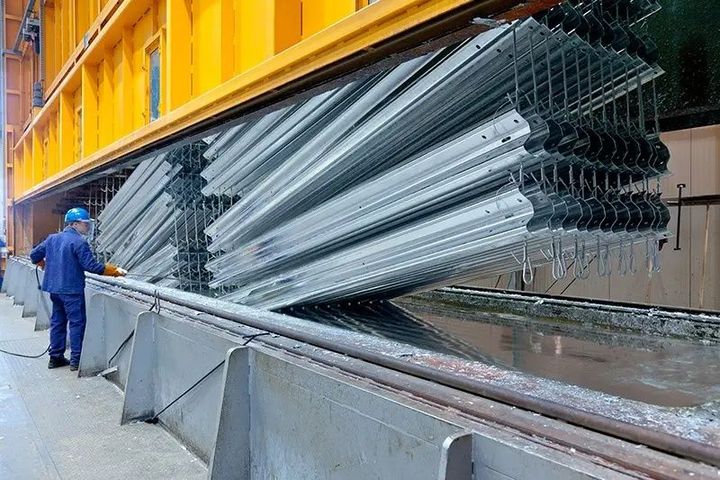
A galvanizing plant is an industrial facility where steel or iron components receive a protective zinc coating to reduce corrosion. The most common method is hot-dip galvanizing, where cleaned steel is immersed in molten zinc at a controlled temperature. This process creates a strong metallurgical bond between the zinc and the steel surface.
The purpose of galvanizing is to improve the durability of metal products exposed to moisture, chemicals, and changing weather conditions. Galvanized steel is widely used in bridges, transmission towers, fencing, pipelines, highway barriers, industrial equipment, agricultural machinery, and building structures.
Main Stages of the Galvanizing Process
The galvanizing process generally includes the following steps:
- Surface inspection
- Degreasing to remove oil and dirt
- Pickling with acid to remove rust and scale
- Water rinsing
- Flux application
- Hot-dip galvanizing in molten zinc
- Cooling and inspection
- Quality testing before dispatch
Each stage helps ensure that the zinc coating adheres properly and provides long-term corrosion protection.
Common Types of Galvanizing
| Galvanizing Method | Description | Common Applications |
|---|---|---|
| Hot-Dip Galvanizing | Steel is immersed in molten zinc | Structural steel, bridges, towers |
| Electro Galvanizing | Zinc applied using electrical current | Automotive parts, appliances |
| Mechanical Galvanizing | Zinc coating applied mechanically | Fasteners and hardware |
| Thermal Spray Galvanizing | Molten zinc sprayed onto steel | Repair work and large structures |
Importance – Why It Matters and Who It Affects
Galvanizing plants contribute significantly to industrial durability and infrastructure development. Corrosion causes considerable damage to steel structures every year, making protective coatings essential for long-term performance.
Industries that commonly depend on galvanized steel include:
- Construction and infrastructure
- Renewable energy projects
- Agriculture
- Transportation
- Telecommunications
- Water distribution systems
- Manufacturing
Benefits of galvanized steel include:
- Improved corrosion resistance
- Longer operational life
- Reduced maintenance requirements
- Strong coating adhesion
- Reliable outdoor performance
- Suitable for harsh environmental conditions
Galvanizing also supports sustainability by extending the usable life of steel products, reducing the need for frequent replacement and conserving raw materials.
Recent Updates – Trends and Developments from 2024–2026
Between 2024 and 2026, galvanizing plants have continued adopting technologies that improve efficiency, environmental performance, and quality control.
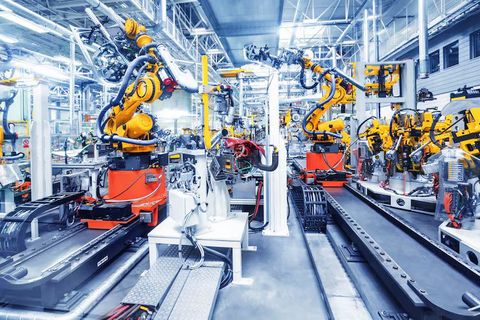
Modern facilities increasingly use automation to monitor production parameters such as zinc bath temperature, immersion time, and coating thickness. Automated material handling systems also improve operational consistency.
Digital monitoring technologies have become more common. Sensors and industrial software help operators track production data, schedule maintenance, and identify process improvements.
Environmental management has received greater attention. Many plants are improving acid recovery systems, reducing emissions, recycling zinc residues, and enhancing wastewater treatment processes to meet environmental standards.
Energy efficiency has also become a priority through improved furnace designs, heat recovery systems, and optimized production scheduling.
Growing infrastructure investment in many regions continues to increase demand for galvanized steel used in transportation, renewable energy, utility networks, and public construction projects.
Laws or Policies – Relevant Rules, Regulations, or Government Policies
Galvanizing plants operate under regulations related to worker safety, environmental protection, product quality, and industrial operations. Requirements vary by country, but many facilities follow internationally recognized standards.
Some commonly referenced standards include:
| Standard or Regulation | Purpose |
|---|---|
| ISO 1461 | Specifications for hot-dip galvanized coatings |
| ASTM A123 | Requirements for zinc coatings on steel products |
| ASTM A153 | Coating standards for hardware components |
| ISO 9001 | Quality management systems |
| ISO 14001 | Environmental management systems |
| ISO 45001 | Occupational health and safety management |
Many countries also regulate:
- Air emissions
- Wastewater discharge
- Chemical storage and handling
- Hazardous waste management
- Workplace safety practices
Plants are generally required to conduct routine inspections, maintain operational records, and follow environmental compliance procedures established by local authorities.
Tools and Resources – Useful Websites, Calculators, Templates, or Platforms
Several organizations provide educational information, technical guidance, and industry standards related to galvanizing.
Useful resources include:
- World Association for Hot Dip Galvanizing
- American Galvanizers Association
- International Organization for Standardization (ISO)
- ASTM International
- National environmental regulatory agencies
- Occupational safety authorities
Helpful tools may include:
- Zinc coating thickness calculators
- Corrosion rate estimation tools
- Steel specification references
- Inspection checklists
- Quality control templates
- Environmental compliance guidance documents
Engineers and manufacturers often use these resources to understand coating requirements, inspection procedures, and applicable technical standards.
FAQs
1. What is the main purpose of a galvanizing plant?
A galvanizing plant applies a protective zinc coating to steel or iron products to reduce corrosion and increase their service life.
2. How does hot-dip galvanizing work?
Steel components are cleaned, treated with flux, immersed in molten zinc, cooled, and inspected to produce a durable protective coating.
3. Which industries commonly use galvanized steel?
Construction, transportation, agriculture, manufacturing, telecommunications, renewable energy, utilities, and infrastructure projects frequently use galvanized steel.
4. How is coating quality checked?
Quality inspections commonly measure coating thickness, surface appearance, adhesion, and compliance with recognized industry standards.
5. Why are environmental regulations important for galvanizing plants?
Environmental regulations help reduce emissions, manage wastewater, improve chemical handling, and encourage responsible industrial operations.
Conclusion
Galvanizing plants play a vital role in protecting steel structures from corrosion through the application of durable zinc coatings. Their processes support infrastructure, manufacturing, transportation, agriculture, and many other industries that depend on long-lasting steel products.
Advances in automation, digital monitoring, environmental management, and energy efficiency continue to improve galvanizing operations between 2024 and 2026. These developments help facilities maintain consistent quality while supporting sustainable industrial practices.
Understanding the galvanizing process, applicable standards, and available technical resources provides valuable knowledge for students, engineers, manufacturers, and anyone interested in industrial production. As infrastructure projects continue to expand globally, galvanizing remains an important technology for extending the life and reliability of steel structures

You May Also Like