Concrete Batching Plant Knowledge: Overview, Working and Applications
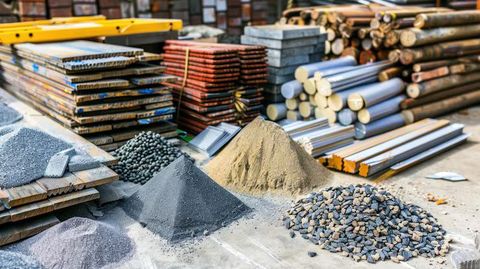
Concrete batching plants play an important role in modern construction by producing consistent concrete mixtures for different types of projects. They combine materials such as cement, water, sand, aggregates, and admixtures in carefully measured proportions to create concrete that meets specific engineering requirements.
From residential buildings to highways and bridges, these plants support construction activities with reliable mixing processes.
Understanding concrete batching plant knowledge helps engineers, contractors, students, and project managers learn how concrete is prepared before it reaches a construction site. Advances in automation, digital monitoring, and environmental practices have improved plant performance while supporting better material management and quality control. Learning about their working process and applications provides valuable insight into today's construction industry.
Context
A concrete batching plant is a facility designed to measure, combine, and mix raw materials used to produce concrete. The batching process ensures that each ingredient is added in the correct proportion according to a predefined mix design. This helps maintain consistency, strength, and durability in the finished concrete.
The development of batching plants has transformed concrete production from manual mixing to automated systems capable of handling large construction demands. Modern plants can prepare different concrete grades while monitoring material quantities through computerized controls.
The primary purpose of a concrete batching plant is to produce uniform concrete efficiently while reducing material waste and supporting quality assurance during construction projects.
Main Components
The following components are commonly found in a concrete batching plant:
| Component | Purpose |
|---|---|
| Cement Silo | Stores cement safely before batching |
| Aggregate Bins | Hold sand and coarse aggregates |
| Conveyor Belt | Transfers materials to the mixer |
| Weighing System | Measures each material accurately |
| Mixer | Combines ingredients into concrete |
| Water Tank | Supplies controlled water quantity |
| Control System | Automates batching and monitoring |
How a Concrete Batching Plant Works
The basic working process generally includes:
- Raw materials are stored separately.
- Materials are weighed according to the selected mix design.
- Cement, aggregates, water, and admixtures enter the mixer.
- The mixer blends the materials until a uniform concrete mix is achieved.
- The finished concrete is discharged into transport equipment for delivery or immediate use.
Importance
Concrete batching plants contribute significantly to construction quality by ensuring consistent concrete production. Accurate batching reduces variations in strength and improves the overall performance of buildings and infrastructure.
Construction professionals rely on batching plants because they improve efficiency and reduce errors associated with manual mixing. Large infrastructure projects often require thousands of cubic meters of concrete, making automated production an essential part of project planning.
Concrete batching plants also support environmental management by improving material utilization and reducing unnecessary waste. Modern plants often include dust collection systems, water recycling methods, and computerized monitoring to improve operational efficiency.
The knowledge of batching plant operations is valuable for:
- Civil engineers
- Construction managers
- Infrastructure planners
- Equipment operators
- Engineering students
- Quality control professionals
Understanding plant operations also helps project teams plan concrete production schedules, maintain quality standards, and coordinate transportation effectively.
Recent Updates
Between 2024 and 2026, several developments have influenced concrete batching plant technology and construction practices.
Automation continues to expand through advanced control systems capable of monitoring production data in real time. Digital interfaces allow operators to adjust batching parameters while recording production information for quality documentation.
Environmental sustainability has become a major focus. Many facilities now implement water recycling systems, improved dust suppression equipment, and energy-efficient machinery to reduce environmental impact.
Remote monitoring technologies allow plant managers to observe equipment performance from different locations. Predictive maintenance tools can identify potential equipment issues before unexpected downtime occurs.
Artificial intelligence and data analytics are gradually supporting better production planning by analyzing material usage, equipment performance, and production efficiency.
Manufacturers are also developing modular batching plants that can be transported and assembled more easily for temporary infrastructure and remote construction projects.
Laws or Policies
Concrete batching plants operate under construction, environmental, and workplace safety regulations that vary by country and region. These regulations aim to protect workers, surrounding communities, and the environment.
Common regulatory areas include:
- Air quality standards for controlling cement dust.
- Noise management requirements near populated areas.
- Water discharge regulations for wastewater management.
- Occupational safety requirements for equipment operation.
- Material storage guidelines for cement and aggregates.
- Environmental monitoring and reporting where applicable.
Many governments require construction facilities to follow environmental protection laws that address emissions, waste handling, and water conservation. Project owners may also follow recognized construction standards for concrete quality and testing established by national or international engineering organizations.
Before establishing or operating a batching plant, project developers generally obtain relevant environmental and construction approvals based on local regulations.
Tools and Resources
Several digital tools and reference resources help professionals understand and manage concrete batching operations more effectively.
Useful resources include:
- Concrete mix design calculators for estimating material proportions.
- Construction project planning software.
- Plant maintenance scheduling applications.
- Material inventory management systems.
- Quality control record templates.
- Engineering standard documents for concrete testing.
- Government construction and environmental department websites.
- Professional engineering associations providing technical guidance.
Educational institutions, engineering organizations, and construction authorities also publish technical manuals, safety guidance, and operational recommendations that improve understanding of batching plant management.
FAQs
What is a concrete batching plant?
A concrete batching plant is a facility that accurately measures and mixes cement, water, aggregates, and other materials to produce concrete for construction projects.
How does a concrete batching plant improve concrete quality?
It uses precise weighing systems and controlled mixing processes to produce consistent concrete that meets required engineering specifications.
Where are concrete batching plants commonly used?
They are used for residential buildings, commercial developments, highways, bridges, airports, dams, industrial facilities, and other infrastructure projects.
What are the different types of concrete batching plants?
Common types include stationary batching plants, mobile batching plants, compact batching plants, and dry mix or wet mix batching plants depending on project requirements.
Why is automation important in modern batching plants?
Automation improves measurement accuracy, reduces manual errors, supports quality control, records production data, and helps optimize material usage.
Conclusion
Concrete batching plant knowledge provides a better understanding of how modern construction projects achieve consistent and reliable concrete production. Accurate batching, controlled mixing, and quality monitoring all contribute to stronger and more durable structures.
Technological improvements between 2024 and 2026 continue to enhance automation, sustainability, and operational efficiency. As construction projects become more complex, batching plants remain an essential part of infrastructure development.
Understanding their context, working process, applications, regulations, and available resources helps professionals and learners appreciate the important role these facilities play in supporting safe and efficient construction practices.
Continued learning about batching technologies and construction standards can help improve project planning, quality assurance, and responsible resource management across the construction industry.