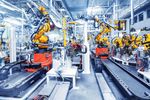
Industrial Temperature Sensors Overview: Core Concepts and Uses
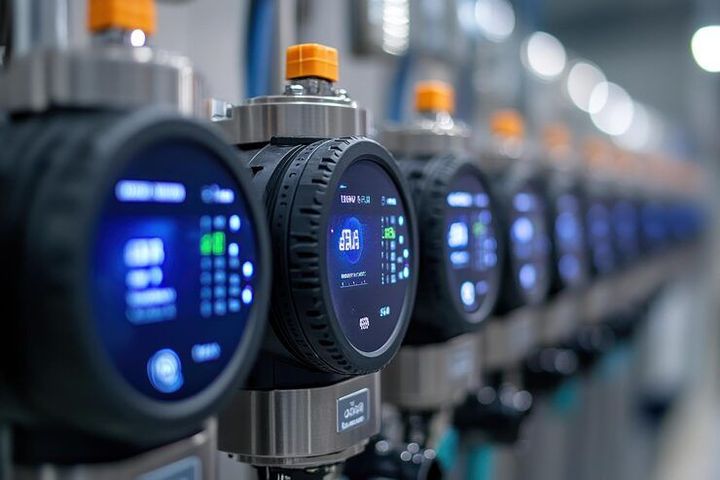
Industrial temperature sensors are devices designed to measure heat levels in industrial environments. They exist to help systems monitor, regulate, and maintain temperature conditions during manufacturing, processing, and energy operations. Temperature is a critical physical parameter because many industrial processes depend on stable thermal conditions to function correctly.
Industrial temperature sensors are designed to measure temperature changes and convert them into electrical signals for monitoring systems. Unlike basic thermometers, these sensors are built to operate in harsh environments such as high pressure, extreme temperatures, vibration, and chemical exposure.
Their development is closely linked to the rise of industrial automation, where accurate temperature control is essential for safe and efficient operations. These sensors are now a core component of modern process monitoring systems.
Importance: Why Industrial Temperature Sensors Matter Today
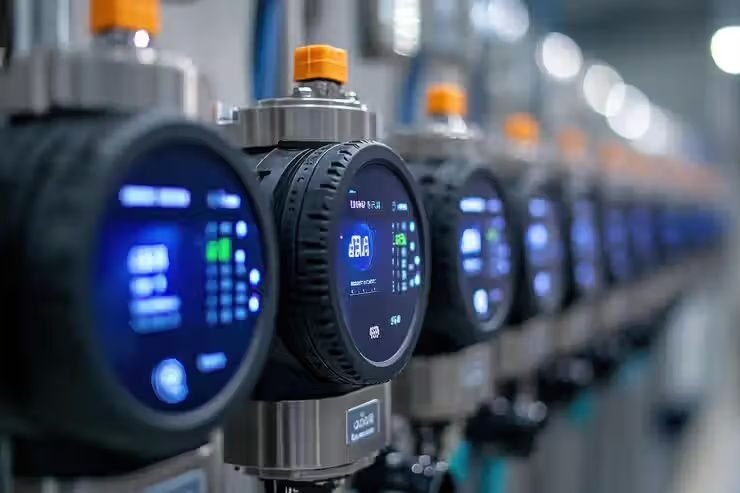
Temperature control plays a critical role in industrial efficiency, safety, and product quality. Even small temperature variations can lead to defects, energy waste, or equipment failure.
Key Reasons This Topic Matters
- Prevents overheating of machinery
- Ensures consistent product quality
- Reduces risk of equipment failure
- Improves energy efficiency
- Supports predictive maintenance
Industries That Rely on Temperature Sensors
- Manufacturing and metal processing
- Chemical and petrochemical industries
- Power generation systems
- Food and beverage production
- Pharmaceutical manufacturing
These sensors help maintain stable conditions and support automation across multiple sectors.
Recent Updates and Trends (2024–2025)
Recent developments in industrial temperature sensing focus on accuracy, durability, and digital integration.
Notable Trends
- Integration with industrial IoT platforms for continuous monitoring
- Improved durability with corrosion-resistant coatings
- Enhanced digital transmitters with reduced signal noise
- Better performance in extreme industrial conditions
These advancements support more reliable data collection and improved process control.
Laws and Policies Affecting Temperature Sensors in India
Industrial temperature sensors in India are governed by safety, quality, and environmental regulations. These standards ensure accurate measurement and safe industrial operations.
Key Regulatory Considerations
- Standards from Bureau of Indian Standards for instrumentation
- Industrial safety regulations for factory operations
- Environmental monitoring requirements for emissions
Compliance ensures reliability, worker safety, and environmental protection.
Tools and Resources for Industrial Temperature Sensors
Various tools help engineers and operators select and use temperature sensors effectively. These resources support system design and maintenance.
Common Tools and Resources
- Temperature sensor selection guides
- Calibration charts and reference tables
- Industrial automation software
- Technical documentation for sensor types
- Process simulation tools
These tools improve system accuracy and help optimize temperature monitoring processes.
Common Sensor Types and Characteristics
Different types of temperature sensors are used depending on application requirements.
Sensor Types Table
| Sensor Type | Measurement Range | Accuracy Level | Typical Use |
|---|---|---|---|
| Thermocouple | Very wide | Moderate | High-temperature processes |
| RTD | Medium | High | Precision monitoring |
| Thermistor | Narrow | Very high | Sensitive measurements |
| Infrared | Surface-based | Variable | Non-contact measurement |
How Temperature Sensors Fit into Industrial Systems
Industrial temperature sensors are integrated into control systems to automate processes. They provide real-time data for monitoring and adjustment.
Temperature Monitoring Flow
| Step | Description |
|---|---|
| Measurement | Sensor detects temperature change |
| Signal Conversion | Converts physical change to electrical signal |
| Data Transmission | Sends data to control system |
| Analysis | System evaluates temperature data |
| Response | Adjustments made automatically or manually |
This structured process ensures stable and efficient operations.
FAQs: Common Questions About Industrial Temperature Sensors
What is the main purpose of these sensors?
They measure and monitor temperature accurately to support safe and efficient operations.
How are industrial sensors different from regular ones?
They are designed to withstand extreme industrial conditions such as heat, pressure, and chemicals.
Which industries use them the most?
Industries such as manufacturing, energy, chemicals, food production, and pharmaceuticals rely heavily on temperature monitoring.
How often should sensors be calibrated?
Calibration depends on usage and industry standards, but regular checks are essential.
Do they support automation?
Yes, they are a key part of industrial automation and control systems.
Conclusion
Industrial temperature sensors are essential for maintaining control, safety, and efficiency in modern industrial environments. They provide accurate data that supports automation and process optimization.
With advancements in durability, digital integration, and accuracy, these sensors continue to evolve. Understanding their role helps industries improve performance, reduce risks, and maintain consistent quality.