Industrial Thermal Imaging Inspection Explore Practical Guide for Modern Systems
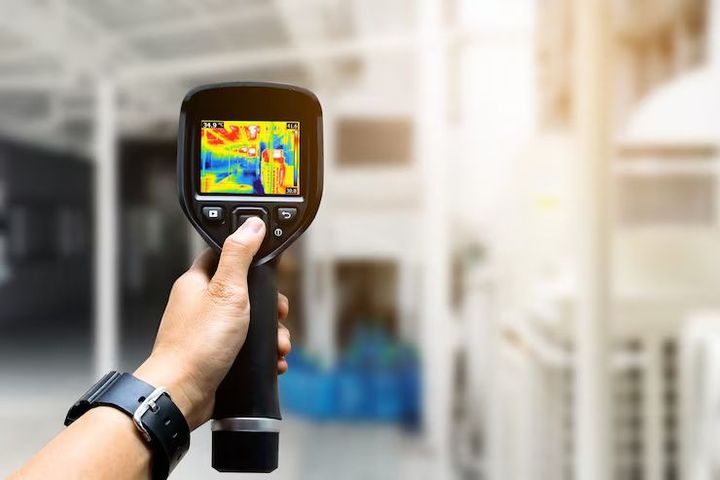
Industrial thermal imaging inspection is a method used to detect heat patterns and temperature differences in equipment, systems, and structures. It uses infrared cameras to visualize heat that is not visible to the human eye. This process helps identify abnormalities such as overheating components, insulation failures, or hidden defects.
The concept of thermal imaging inspection exists because temperature changes often indicate underlying issues. Machines, electrical systems, and mechanical components generate heat during operation. When faults occur—such as excessive friction, electrical resistance, or poor insulation—heat patterns change noticeably.
Thermal imaging allows professionals to detect these changes early without physical contact. It is widely used across industries like manufacturing, energy, construction, and utilities to support predictive maintenance and improve system reliability.
Why Industrial Thermal Imaging Inspection Matters Today
Industrial systems are becoming more complex, and unplanned downtime can lead to significant productivity losses. Thermal imaging inspection plays a crucial role in identifying issues early and maintaining operational efficiency.
Key Benefits
- Prevents Equipment Failure: Identifies overheating components before breakdown
- Improves Safety: Detects electrical faults and potential fire risks
- Enhances Energy Efficiency: Helps identify heat loss and inefficiencies
- Reduces Downtime: Enables early diagnostics and planned maintenance
- Supports Predictive Maintenance: Allows proactive issue detection
Industries That Benefit the Most
- Manufacturing plants with heavy machinery
- Power generation and electrical distribution systems
- Oil and gas facilities
- HVAC and building management systems
- Data centers and IT infrastructure
For example, uneven heat distribution in an electrical panel may indicate loose connections or overload conditions. Early detection helps prevent serious hazards and costly failures.
Common Applications of Thermal Imaging
Thermal imaging is used in various industrial scenarios to monitor equipment and ensure consistent performance. It helps detect hidden issues that are not visible through standard inspection methods.
Applications Overview
| Application Area | Purpose of Inspection | Typical Issue Detected |
|---|---|---|
| Electrical Systems | Monitor load and connections | Hot spots, loose wiring |
| Mechanical Equipment | Analyze moving parts | Friction, wear, misalignment |
| Building Inspections | Evaluate insulation performance | Heat loss, moisture intrusion |
| Industrial Processes | Monitor temperature consistency | Process imbalance |
Recent Updates and Trends in Thermal Imaging (2024–2025)
Thermal imaging technology has advanced significantly, making it more efficient and accessible for industrial use. These innovations are improving accuracy, automation, and scalability.
Key Trends
- Improved Sensor Resolution (2024): Enhanced precision in handheld infrared cameras
- AI-Based Analytics (2024–2025): Automated anomaly detection and pattern recognition
- Cloud-Connected Systems (2025): Enables remote monitoring and real-time reporting
- Renewable Energy Applications (2025): Increased use in solar panel and wind turbine inspections
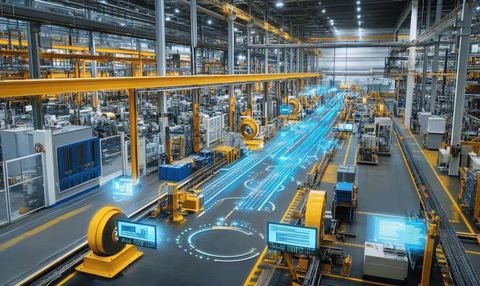
A major trend is the integration of thermal imaging in smart factories. Continuous monitoring systems can detect abnormal heat patterns and trigger alerts instantly.
Trend Comparison Table
| Feature | Traditional Systems | Modern Systems (2025) |
|---|---|---|
| Data Analysis | Manual | AI-assisted |
| Monitoring | Periodic | Continuous |
| Accessibility | Limited | Remote-enabled |
| Accuracy | Moderate | High precision |
These advancements are making thermal imaging more reliable and suitable for large-scale industrial environments.
Laws, Regulations, and Compliance Considerations
Thermal imaging inspections are influenced by safety standards and regulatory frameworks. These guidelines ensure accurate inspections and safe industrial operations.
Key Regulatory Areas
- Electrical Safety Standards: Monitoring high-voltage systems safely
- Industrial Safety Regulations: Mandatory equipment inspection requirements
- Energy Efficiency Guidelines: Encouraging heat loss detection and optimization
- Fire Safety Compliance: Identifying overheating risks to prevent hazards
Relevant Organizations and Frameworks
- Bureau of Indian Standards (BIS)
- Occupational safety frameworks
- Energy efficiency programs
Thermal inspections are often part of compliance audits. Detecting overheating components helps industries meet safety standards and avoid operational risks.
Tools and Resources for Thermal Imaging Inspection
Effective thermal inspection relies on a combination of hardware tools and software platforms. These technologies help capture, analyze, and interpret temperature data accurately.
Common Tools
- Infrared thermal cameras with high resolution
- Portable handheld thermal scanners
- Fixed thermal monitoring systems
- Data logging devices for temperature tracking
Software and Digital Resources
- Thermal image analysis software
- Predictive maintenance platforms
- Cloud-based monitoring dashboards
- Inspection report generation tools
Key Functional Features
- Real-time temperature mapping
- Automated anomaly detection
- Historical trend analysis
- Integration with IoT systems
Sample Inspection Data Table
| Equipment ID | Normal Temp (°C) | Observed Temp (°C) | Status |
|---|---|---|---|
| Motor A | 60 | 85 | Overheating |
| Panel B | 45 | 47 | Normal |
| Conveyor C | 50 | 70 | Warning |
These tools help technicians identify issues quickly and make data-driven maintenance decisions.
Frequently Asked Questions
What is the main purpose of thermal imaging inspection?
The main purpose is to detect temperature variations in systems and equipment. These variations often indicate faults such as overheating, insulation failure, or mechanical wear.
Is thermal imaging inspection safe?
Yes, it is a non-contact method. Inspections can be performed without touching equipment, making it safe for high-temperature and high-voltage environments.
How often should inspections be conducted?
The frequency depends on the industry and equipment type. Critical systems may require continuous monitoring, while others are inspected periodically.
Can thermal imaging detect all faults?
Thermal imaging is effective for temperature-related issues but may not detect faults that do not affect heat patterns. It is often used alongside other diagnostic methods.
Which industries benefit the most?
Industries such as manufacturing, power generation, construction, and energy management benefit significantly due to their reliance on system performance and safety.
Conclusion
Industrial thermal imaging inspection is a vital technique for maintaining efficient and safe operations. It provides insights into system performance by identifying abnormal heat patterns early.
With advancements such as AI integration and remote monitoring, thermal imaging has become more accurate and scalable. It helps reduce downtime, improve energy efficiency, and enhance safety across industries.
By using the right tools and following regulatory guidelines, organizations can implement effective inspection strategies. As industrial systems evolve, thermal imaging will remain an essential component of predictive maintenance and operational reliability.