Industrial Valves Explained: Key Knowledge and Technical Details
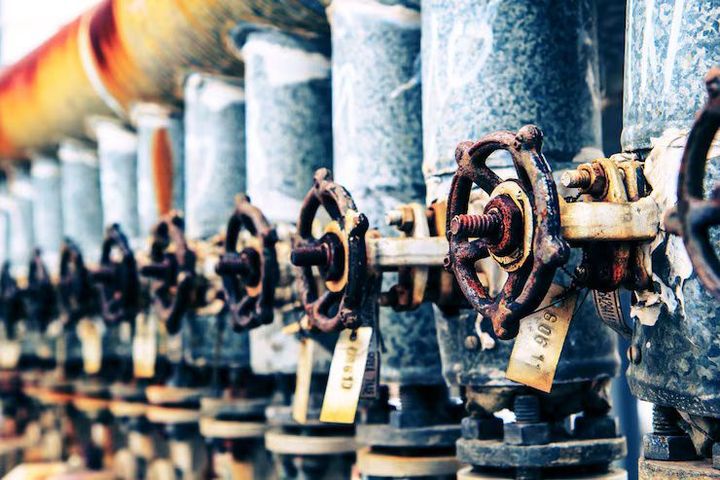
Industrial valves are essential components used to regulate, control, and direct the flow of liquids, gases, and slurries in various systems. They exist because industrial environments require precise flow management to ensure safety, efficiency, and performance. Valves help maintain pressure levels, manage temperature changes, and prevent backflow or leakage, making them important in sectors such as water treatment, power generation, chemical processing, oil and gas, and manufacturing.
Industrial valves are essential components used to control the flow of liquids, gases, and chemicals in various systems. They come in different types such as gate valves, globe valves, ball valves, butterfly valves, and check valves, each designed for specific functions.
Selecting the right valve depends on factors like pressure, temperature, material compatibility, and flow requirements. Advances in engineering and digital monitoring continue to improve valve performance and reliability.
Importance of Industrial Valves
Industrial valves play a crucial role in maintaining safe and efficient operations across industries. They are widely used in sectors such as water treatment, oil and gas, power generation, and chemical processing.
Their performance directly impacts engineers, operators, and maintenance teams.
Key Reasons for Importance
- Control the flow of liquids, gases, and chemicals
- Regulate pressure within pipelines and systems
- Prevent leaks and system failures
- Improve operational efficiency and automation
- Enable safe maintenance and system isolation
Valves are typically made from durable materials like stainless steel, carbon steel, and corrosion-resistant alloys to ensure long-term use.
Recent Updates in Industrial Valves (2024–2025)
Recent developments highlight how technology and sustainability are influencing valve design and usage.
Smart Valve Technology
Sensors integrated into valves monitor temperature, pressure, and vibration. This enables real-time tracking and predictive maintenance.
Eco-Friendly Materials and Coatings
Low-emission materials and advanced coatings are being used to reduce environmental impact and improve corrosion resistance.
Automation and IIoT Integration
Valves are increasingly connected to industrial systems using PLCs and IoT technologies. This allows remote control and performance monitoring.
Advanced High-Temperature Materials
New alloy materials are designed to withstand extreme temperatures in demanding environments such as power plants and chemical industries.
Common Types of Industrial Valves
Different valve types are used depending on system requirements.
| Valve Type | Main Function | Typical Applications |
|---|---|---|
| Gate Valve | Full flow or shutoff | Pipelines, water systems |
| Globe Valve | Flow regulation and throttling | Steam systems, chemical plants |
| Ball Valve | Quick shutoff and sealing | Gas systems, industrial use |
| Butterfly Valve | Lightweight flow control | HVAC, large pipelines |
| Check Valve | Prevent reverse flow | Pumps, water systems |
| Control Valve | Automated flow adjustment | Power plants, process industries |
Laws and Policies
Industrial valves are governed by regulations that ensure safety, performance, and environmental compliance.
Pressure Equipment Standards
Valves must meet testing and certification requirements for high-pressure systems.
Environmental Regulations
Rules require low-emission designs and leak-tight performance to reduce environmental impact.
Water and Chemical Handling Regulations
Valves used in water supply or chemical systems must meet strict safety and contamination standards.
Industrial Safety Policies
Facilities must follow guidelines for valve installation, inspection, and maintenance.
International Standards
Organizations such as ISO define material quality, testing methods, and performance standards.
Tools and Resources
Various tools support valve selection, operation, and maintenance.
Engineering and Design Tools
- Valve sizing calculators
- Flow simulation software
- Material specification databases
Monitoring and Maintenance Tools
- Predictive maintenance applications
- Performance monitoring systems
- Inspection and testing tools
Automation and Control Systems
- Industrial automation platforms
- PLC-based control systems
- IoT-enabled monitoring solutions
These tools help ensure accurate selection, efficient operation, and long-term reliability.
Frequently Asked Questions
What determines the type of valve needed?
Factors include fluid type, pressure, temperature, flow requirements, and safety standards.
Why are control valves important?
They automatically adjust flow based on system conditions, improving efficiency and stability.
What materials are used in valves?
Common materials include stainless steel, carbon steel, cast iron, and specialized alloys.
How often should valves be inspected?
Inspection frequency depends on usage and regulations, but regular maintenance is essential.
What is valve automation?
It involves remote control and monitoring of valves using digital systems to improve accuracy and reduce manual intervention.
Conclusion
Industrial valves are critical for controlling fluid flow and ensuring safe operations in many industries. Their role continues to expand with advancements in automation, materials, and monitoring technologies.
Understanding valve types, regulations, and tools helps professionals select the right components and maintain system efficiency. As industries evolve, industrial valves remain essential for safety, reliability, and performance.