Industrial Water Quality Monitoring: Guide to Reliable and Efficient Water Management
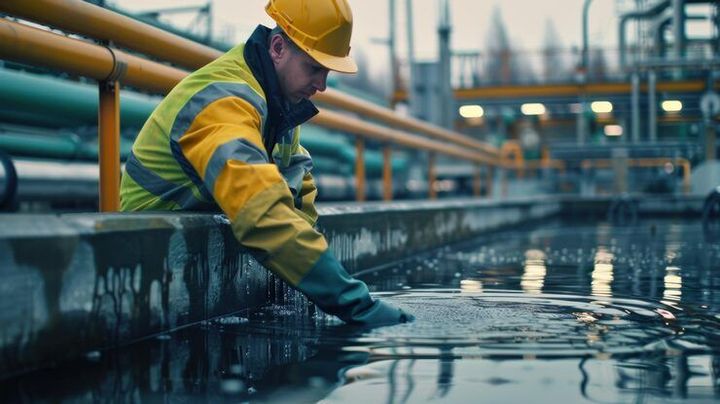
Industrial water quality monitoring refers to the systematic process of measuring, analyzing, and managing water used or discharged by industrial facilities. Industries such as manufacturing, energy production, pharmaceuticals, chemicals, and food processing depend heavily on water for operations including cooling, cleaning, production processes, and waste management.
Monitoring water quality helps organizations track critical parameters such as pH levels, dissolved oxygen, turbidity, conductivity, heavy metals, and chemical contaminants. These measurements ensure that water used in industrial processes meets operational standards and that discharged wastewater complies with environmental regulations.
The concept developed during the 20th century as industrialization increased environmental pressure. Growing awareness of pollution and water scarcity led to structured monitoring frameworks aimed at protecting rivers, lakes, and groundwater sources.
Today, industrial water monitoring combines environmental science with digital sensors, data analytics, and automation. This integration helps ensure water safety, regulatory compliance, and long-term sustainability.
Importance of Industrial Water Quality Monitoring
Industrial water monitoring plays a crucial role in protecting ecosystems, maintaining public health, and improving operational efficiency. Poor wastewater management can contaminate drinking water, damage aquatic life, and degrade soil quality.
Key Stakeholders
- Environmental regulators responsible for ecosystem protection
- Industries aiming for compliance and efficiency
- Communities near industrial zones
- Researchers and environmental monitoring organizations
Key Benefits
-
Environmental Protection:
Prevents harmful pollutants from entering natural water bodies. -
Regulatory Compliance:
Helps industries meet government standards and avoid legal penalties. -
Operational Efficiency:
Identifies water-related issues that may impact equipment or processes. -
Risk Reduction:
Early detection of contamination reduces environmental and operational risks.
Accurate monitoring also supports water reuse and recycling initiatives. This improves resource management and reduces overall water consumption.
Recent Updates in Water Monitoring
Technological advancements and sustainability initiatives have significantly improved industrial water monitoring practices. These innovations focus on automation, real-time insights, and predictive capabilities.
Key Developments
-
Smart Water Monitoring Systems (2024–2025):
IoT-enabled sensors provide continuous monitoring and automated alerts when parameters exceed limits. -
Artificial Intelligence in Water Analytics (2024):
AI systems analyze large datasets to detect patterns, predict contamination events, and support maintenance planning. -
Digital Environmental Compliance Platforms (2025):
Organizations use dashboards to track compliance requirements and maintain transparent reporting records. -
Industrial Sustainability Initiatives:
Water stewardship programs promote reduced consumption and improved wastewater management.
Trends Overview Table
| Trend | Description | Impact on Industry |
|---|---|---|
| IoT Water Sensors | Continuous automated monitoring | Faster issue detection |
| AI Data Analysis | Predictive water quality analytics | Better decision making |
| Cloud Monitoring | Remote tracking and reporting | Improved compliance management |
| Water Recycling Programs | Industrial water reuse strategies | Reduced water consumption |
These advancements enable industries to improve efficiency while maintaining environmental responsibility.
Laws and Policies
Industrial water monitoring is governed by strict environmental regulations designed to protect water resources and prevent pollution. In India, several laws guide these practices.
Key Regulations
-
Water (Prevention and Control of Pollution) Act, 1974:
Establishes pollution control boards to regulate industrial discharge. -
Central Pollution Control Board (CPCB) Guidelines:
Define national standards for effluent quality and monitoring requirements. -
National Water Policy:
Encourages sustainable water management and conservation practices. -
Environmental Protection Act, 1986:
Provides a comprehensive framework for controlling industrial pollution.
Common Monitoring Parameters
| Parameter | Purpose |
|---|---|
| Chemical Oxygen Demand (COD) | Measures organic pollution levels |
| Biological Oxygen Demand (BOD) | Indicates biodegradable waste content |
| Total Dissolved Solids (TDS) | Assesses water salinity |
| Heavy Metals | Detects toxic contamination |
| Temperature and pH | Monitors basic water conditions |
Failure to comply with these regulations can result in penalties, operational restrictions, or environmental remediation requirements.
Tools and Resources
Modern industrial water monitoring relies on advanced tools that enable accurate data collection and efficient reporting. These technologies support both real-time monitoring and long-term analysis.
Common Monitoring Tools
-
Water Quality Sensors:
Measure parameters such as pH, turbidity, conductivity, dissolved oxygen, and temperature. -
SCADA Systems:
Collect and manage data from monitoring equipment across industrial facilities. -
Water Testing Kits:
Used in laboratories to analyze chemical pollutants and microbial contamination. -
Environmental Monitoring Software:
Tracks data, generates reports, and ensures regulatory compliance.
Resource Overview Table
| Resource Type | Purpose | Example Use |
|---|---|---|
| Digital Monitoring Platforms | Real-time data tracking | Continuous measurement |
| Compliance Software | Environmental documentation | Regulatory reporting |
| Water Calculators | Consumption analysis | Efficiency planning |
| Data Dashboards | Visualization tools | Trend monitoring |
Learning Resources
- Industrial environmental training platforms
- Water management simulation tools
- Environmental analytics dashboards
- Sustainability research publications
These resources help professionals improve monitoring strategies and maintain compliance.
Frequently Asked Questions (FAQs)
What is industrial water quality monitoring?
It is the process of measuring and analyzing water used or discharged by industries to ensure it meets environmental and operational standards.
Why is wastewater monitored before discharge?
Monitoring ensures that harmful chemicals and pollutants remain within safe limits before entering natural water bodies.
Which parameters are commonly measured?
Common parameters include:
- pH
- Turbidity
- Dissolved oxygen
- Temperature
- Conductivity
- COD and BOD
How often should water be monitored?
Monitoring frequency depends on regulations and industrial processes. Many facilities use continuous monitoring systems with automated sensors.
Can treated wastewater be reused?
Yes, treated wastewater is often reused for cooling, cleaning, and irrigation. This reduces water consumption and environmental impact.
Conclusion
Industrial water quality monitoring is a critical part of modern environmental management. As industries expand, responsible water usage becomes essential for sustainability and ecosystem protection.
Advanced technologies such as IoT sensors, AI analytics, and digital reporting platforms allow industries to monitor water more accurately and respond quickly to risks. Regulatory frameworks further ensure accountability and compliance.
The future of water monitoring will involve greater automation, intelligent analytics, and integrated systems. These innovations will help industries balance productivity with environmental responsibility while preserving water resources for future generations.