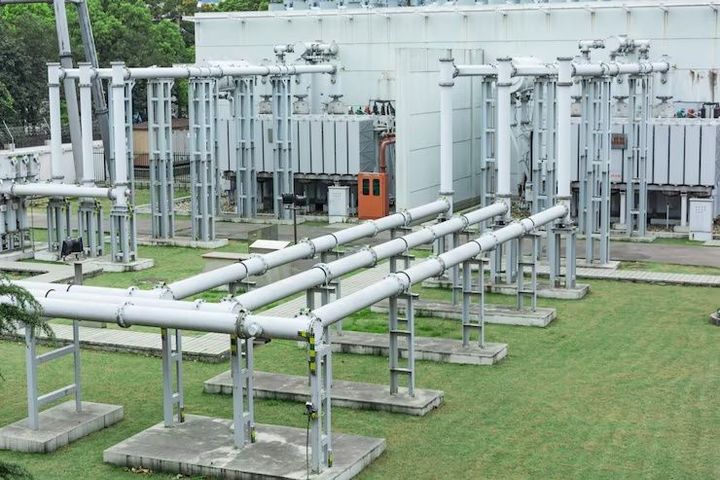
Insights into Innovations and Advancements in Water Pump Systems
Water pump systems play a vital role in delivering, distributing, and managing water for residential, agricultural, and industrial use. These systems, which convert mechanical energy into hydraulic energy, have existed for centuries — from simple hand pumps to sophisticated, sensor-driven technologies today.
Water pump systems have evolved significantly due to increasing global demand for efficient water management. Modern pumps now integrate automation, smart sensors, and eco-friendly materials to improve performance and sustainability.
These systems are essential for maintaining water supply, pressure, and distribution across domestic, agricultural, and industrial applications. They ensure reliable access to water while addressing challenges like scarcity and energy efficiency.
Importance of Water Pump Innovations
Water pumps play a critical role in infrastructure and daily life. Their efficiency directly impacts water conservation, energy usage, and system reliability.
Why Water Pump Systems Matter
- Water Conservation: Reduces leakage and wastage
- Energy Efficiency: Optimizes electricity consumption
- Sustainability: Supports eco-friendly and renewable solutions
- Infrastructure Reliability: Prevents breakdowns through monitoring
- Accessibility: Improves water availability in remote regions
These systems are vital for industries such as agriculture, construction, wastewater treatment, and renewable energy.
Recent Trends in Water Pump Technology (2024–2025)
Recent advancements highlight the shift toward intelligent, data-driven water pump systems. These innovations focus on automation, efficiency, and sustainability.
Key Trends and Impact
| Innovation | Description | Impact |
|---|---|---|
| Smart Water Pumps | Sensors monitor flow, pressure, and energy usage | Improves efficiency and reliability |
| Solar-Powered Systems | Uses renewable energy for pump operation | Supports sustainability |
| Variable Frequency Drives | Adjust speed based on demand | Reduces energy consumption |
| AI Predictive Maintenance | Detects potential failures early | Minimizes downtime and repair costs |
| 3D Printed Components | Custom and lightweight pump parts | Enhances design flexibility |
Laws and Regulations for Water Pump Systems
Water pump systems are governed by standards and regulations to ensure safety, efficiency, and environmental compliance. These rules guide manufacturing and operational practices.
Key Regulatory Areas
- Performance and efficiency standards for pumps
- Energy labeling and rating systems
- Environmental regulations for materials and emissions
- Water quality and safety guidelines
- Government incentives for sustainable technologies
These regulations promote responsible water usage and support long-term sustainability goals.
Tools and Resources for Water Pump Management
Various digital tools and platforms help monitor and optimize water pump systems. These tools improve efficiency, reduce costs, and support maintenance planning.
Useful Tools
| Tool Type | Function | Example |
|---|---|---|
| Monitoring Software | Tracks pump performance and detects issues | PumpView Analytics |
| Flow Calculators | Estimates optimal water flow rates | FlowCalc |
| IoT Sensors | Collect real-time data on system conditions | AquaSense Smart Sensor |
| Energy Optimization Tools | Analyze and reduce energy usage | DOE Assessment Tool |
| SCADA Systems | Centralized control and automation | SCADA Platforms |
Additional Resources
- Hydraulic modeling tools for system analysis
- Energy audit templates for efficiency improvement
- Simulation software for network optimization
- Mobile apps for remote monitoring and control
FAQs About Water Pump Systems
What are the main types of water pumps?
Common types include centrifugal pumps, submersible pumps, diaphragm pumps, and solar-powered pumps. Each is suited for different applications.
How has technology improved pump performance?
Automation, smart sensors, and AI diagnostics allow pumps to operate efficiently and predict maintenance needs.
Why is energy efficiency important?
Efficient pumps reduce electricity consumption and operational costs while supporting environmental sustainability.
What role does IoT play?
IoT enables real-time monitoring, remote control, and data-driven optimization of pump systems.
Are solar-powered pumps reliable?
Yes, modern solar pumps are efficient and suitable for various applications, especially in off-grid areas.
Conclusion
Water pump systems are essential for managing one of the world’s most important resources. Advances in technology have transformed them into intelligent, energy-efficient, and sustainable systems.
With continued innovation in automation, renewable energy, and data analytics, water pump technology will play a key role in addressing global water challenges. Understanding these systems helps ensure better planning, maintenance, and long-term resource management.