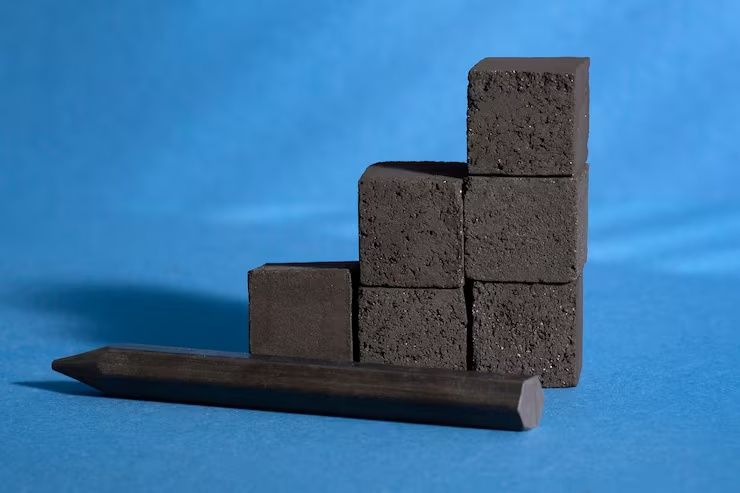
Silicon carbide bricks are a specialized type of refractory material designed to withstand extreme temperatures and harsh industrial conditions. They are primarily made from silicon carbide, a compound of silicon and carbon known for its excellent thermal conductivity, strength, and resistance to wear.
These bricks exist to provide durable and reliable linings for furnaces, kilns, and reactors in industries such as metallurgy, energy, glass, and ceramics. Their structure combines high mechanical stability with low thermal expansion, making them ideal for environments where standard fire bricks might degrade quickly.
Silicon carbide bricks are commonly used in areas exposed to continuous high temperatures, chemical corrosion, or physical wear. They play a crucial role in ensuring operational efficiency and equipment longevity.
Why Silicon Carbide Bricks Are Important Today
The demand for high-performance refractory materials has grown significantly in recent years. Silicon carbide bricks have become increasingly important because they solve several operational challenges across multiple industries.
-
High temperature resistance: These bricks can maintain their structure and strength even at temperatures exceeding 1,500 °C.
-
Excellent thermal conductivity: They distribute heat evenly, improving energy efficiency in industrial processes.
-
Corrosion and wear resistance: Silicon carbide resists attack from chemicals, slag, and other abrasive materials.
-
Extended service life: Their durability reduces the need for frequent replacements, helping maintain stable operations.
-
Energy optimization: Better thermal control supports sustainable production and reduces energy loss.
Industries such as steelmaking, glass production, aluminum smelting, and waste incineration rely on silicon carbide bricks to maintain consistent performance under demanding conditions.
Recent Developments and Trends in Silicon Carbide Materials
The last year has brought notable changes and advancements in the production and use of silicon carbide bricks.
-
Enhanced manufacturing technologies (2024–2025): More advanced sintering and bonding techniques have improved the strength and reliability of silicon carbide bricks.
-
Growing adoption in clean energy sectors: Their use has expanded in hydrogen production, waste-to-energy plants, and advanced battery manufacturing facilities.
-
Recycling initiatives: New processes allow the recovery and reuse of spent refractory materials, aligning with global sustainability goals.
-
Improved quality control systems: Automation and AI tools help manufacturers achieve more uniform brick compositions, ensuring consistent performance.
-
Global supply chain expansion: Increasing demand has led to wider availability of high-grade silicon carbide materials worldwide.
A 2024 industry analysis showed that high-performance refractory materials, including silicon carbide bricks, are seeing steady growth, driven by modernization of heavy industries and energy systems.
Regulations, Standards, and Industrial Policies
Silicon carbide bricks are subject to a variety of technical standards and safety regulations to ensure quality, performance, and environmental compliance.
-
ISO and ASTM standards: International standards define chemical composition, thermal resistance, and dimensional tolerances for silicon carbide bricks.
-
Environmental regulations: Many countries require manufacturers to minimize emissions during the production of refractory materials.
-
Workplace safety guidelines: Handling and installation of high-temperature refractory bricks must follow occupational health and safety regulations.
-
Recycling and waste management policies: Some regions have introduced programs encouraging the recycling of spent refractory materials to reduce environmental impact.
-
Trade and import regulations: High-grade refractory materials may be subject to quality checks and certification before use in critical industries.
These policies help ensure that silicon carbide bricks meet strict performance and safety requirements, especially in high-risk industrial environments.
Tools and Resources for Understanding Silicon Carbide Bricks
Several tools, platforms, and technical resources can help engineers, researchers, and industry professionals work effectively with silicon carbide bricks.
-
Thermal calculation software: Assists in determining heat transfer and insulation performance in furnace and kiln designs.
-
Material property databases: Provide detailed information on chemical composition, density, thermal expansion, and conductivity.
-
Standards databases: Offer easy access to international and national standards relevant to refractory materials.
-
Engineering design platforms: Support simulations and modeling of thermal processes involving silicon carbide linings.
-
Industrial safety guidelines: Outlined by organizations to ensure proper handling and installation.
-
Educational materials: Technical courses, webinars, and research papers explain recent innovations in refractory technology.
Using these resources can help organizations and professionals make informed decisions regarding selection, installation, and maintenance of silicon carbide bricks.
Frequently Asked Questions About Silicon Carbide Bricks
What are silicon carbide bricks made of?
Silicon carbide bricks are primarily composed of silicon carbide grains, sometimes combined with bonding agents to enhance strength and thermal performance.
What makes silicon carbide bricks different from regular fire bricks?
Unlike traditional fire bricks, silicon carbide bricks have higher thermal conductivity, greater mechanical strength, and better resistance to corrosion and wear.
Where are silicon carbide bricks commonly used?
They are widely used in steelmaking, aluminum smelting, glass production, waste incineration, and other high-temperature industrial processes.
Are there environmental concerns with using silicon carbide bricks?
Production involves energy-intensive processes, but recycling and energy-efficient technologies are increasingly used to reduce environmental impact.
Do silicon carbide bricks need special installation methods?
Yes. Because of their specific properties, proper handling, jointing, and installation techniques are required to ensure structural integrity and thermal efficiency.
Key Properties of Silicon Carbide Bricks
| Property | Description | Industrial Impact |
|---|---|---|
| High Thermal Conductivity | Efficient heat transfer | Reduces energy loss and improves furnace performance |
| Low Thermal Expansion | Minimal dimensional changes at high temperatures | Maintains structural stability |
| High Mechanical Strength | Resistant to cracking and deformation | Extends operational life |
| Chemical Corrosion Resistance | Withstands slag, acids, and alkalis | Suitable for harsh environments |
| Abrasion Resistance | Resistant to wear from solid particles and flows | Ideal for high-stress applications |
This table highlights why silicon carbide bricks are favored in demanding industrial applications compared to conventional refractory materials.
Conclusion
Silicon carbide bricks play a critical role in modern industry by offering exceptional durability, thermal performance, and resistance to extreme conditions. Their advanced composition makes them suitable for high-temperature environments where other materials may fail.
With new developments in manufacturing, sustainability initiatives, and improved standards, silicon carbide bricks continue to evolve as a key material in energy and heavy industry sectors.
Using reliable tools, following regulatory guidelines, and understanding their structure can help ensure optimal performance and safety in their applications. As industries shift toward more efficient and sustainable processes, materials like silicon carbide bricks will remain central to achieving these goals.