Intelligent Power Distribution: Complete Guide to Smart Electrical Networks and Energy Management
Reliable electricity is essential for homes, industries, hospitals, data centers, and commercial buildings.
As energy demand grows and electrical networks become more complex, traditional distribution methods are evolving into smarter systems that can monitor, analyze, and optimize power flow in real time. This evolution is known as Intelligent Power Distribution.
By combining automation, digital communication, sensors, and energy management technologies, intelligent power distribution helps improve electrical reliability, reduce energy waste, and support modern infrastructure. Understanding how these systems operate is becoming increasingly important as smart grids, renewable energy, and connected devices continue to expand.
What Is Intelligent Power Distribution?
Intelligent Power Distribution is a modern electrical distribution approach that uses smart devices, automated controls, communication networks, and digital monitoring to manage electricity more efficiently. Unlike conventional power distribution systems that simply deliver electricity from substations to end users, intelligent systems continuously collect operational data and respond to changing conditions.
The primary goal is to improve electrical performance while maintaining stable and reliable power delivery across the entire distribution network.
Why Intelligent Power Distribution Matters
Modern electrical systems support thousands of interconnected devices and facilities that require continuous, high-quality power. Even a brief interruption can affect manufacturing operations, healthcare equipment, data centers, and transportation systems.
Intelligent power distribution helps address these challenges by improving visibility into the electrical network. Operators can identify abnormal conditions more quickly, balance electrical loads, and respond to equipment issues before they become larger problems.
As renewable energy sources such as solar and wind continue to expand, intelligent distribution systems also make it easier to integrate variable energy generation into existing electrical infrastructure.
How Intelligent Power Distribution Works
An intelligent electrical network operates through continuous monitoring and automated decision-making.
Sensors installed throughout the distribution system measure important electrical parameters such as voltage, current, frequency, and power quality. This information is transmitted to centralized monitoring platforms where advanced software analyzes network performance in real time.
If unusual operating conditions are detected, automated protection systems can isolate affected sections, adjust electrical loads, or notify maintenance teams. This rapid response helps improve system reliability while reducing downtime.
Unlike traditional monitoring methods, intelligent systems provide operators with continuous visibility into network performance rather than relying only on periodic inspections.
Key Components of Intelligent Power Distribution
Several technologies work together to create a modern intelligent distribution network.
Smart Sensors
Smart sensors continuously collect operational data from transformers, switchgear, feeders, and other electrical equipment.
Intelligent Switchgear
Digital switchgear improves circuit protection while allowing remote monitoring and automated switching operations.
Energy Management Systems
These platforms gather information from connected equipment, display network performance, and help operators optimize electrical efficiency.
Digital Protection Relays
Protection relays identify abnormal electrical conditions and respond rapidly to minimize equipment damage.
Communication Infrastructure
Reliable communication networks connect field equipment with monitoring centers, enabling real-time information exchange throughout the electrical system.
Applications Across Different Industries
Intelligent Power Distribution supports a wide range of industries that depend on reliable electrical infrastructure.
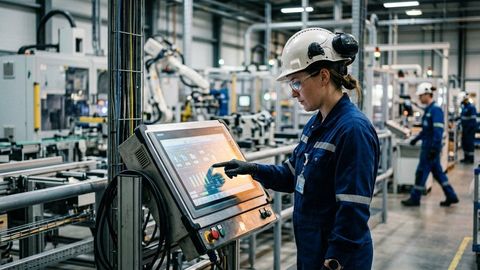
Manufacturing facilities use intelligent monitoring to maintain stable production lines and reduce unexpected equipment interruptions.
Healthcare facilities rely on continuous electrical monitoring to support critical medical devices and emergency backup systems.
Data centers use intelligent energy management to protect servers, networking equipment, and digital infrastructure from power disturbances.
Commercial buildings benefit from automated energy monitoring that improves lighting, heating, cooling, and building operations.
Renewable energy installations use intelligent distribution systems to coordinate electricity generated from solar panels, wind farms, and battery storage systems while maintaining stable grid performance.
Benefits of Intelligent Power Distribution
One of the greatest advantages of Intelligent Power Distribution is improved visibility across the electrical network. Operators receive continuous updates about equipment status, making it easier to detect developing issues before they affect operations.
Energy efficiency also improves because electrical loads can be balanced more effectively. By reducing unnecessary energy losses, organizations can improve overall system performance and make better use of available electrical resources.
Automation further strengthens operational reliability by allowing protection devices and control systems to respond rapidly during electrical disturbances. This reduces manual intervention while helping maintain continuous power delivery.
Predictive maintenance is another significant advantage. Instead of waiting for equipment failures, maintenance teams can analyze operational data and schedule inspections based on actual equipment condition, improving long-term reliability.
Important Considerations Before Implementation
Organizations planning to modernize their electrical infrastructure should evaluate several important factors.
These include:
- Existing electrical network compatibility
- Future expansion requirements
- Communication network reliability
- Cybersecurity protection
- Equipment interoperability
- Maintenance planning
- Staff training
- Regulatory compliance
Careful planning helps ensure that intelligent power distribution systems operate efficiently while supporting long-term growth.
Future Trends in Intelligent Power Distribution
Digital technologies continue transforming electrical infrastructure around the world.
Artificial intelligence is improving fault detection, predictive maintenance, and energy optimization by analyzing large volumes of operational data. Internet of Things (IoT) devices are expanding network visibility through thousands of connected sensors distributed across electrical systems.
Cloud-based monitoring platforms allow engineers to supervise electrical infrastructure remotely, while advanced analytics help identify opportunities for improving efficiency and reliability.
The continued growth of electric vehicles, battery energy storage systems, renewable energy integration, and smart cities will further increase the importance of intelligent power distribution in future electrical networks.
Frequently Asked Questions
What is Intelligent Power Distribution?
It is a smart electrical distribution system that combines automation, monitoring, communication, and digital control to improve energy management and network reliability.
Where is Intelligent Power Distribution commonly used?
It is widely used in manufacturing facilities, hospitals, commercial buildings, data centers, utility networks, renewable energy projects, and transportation infrastructure.
How does it improve energy efficiency?
By continuously monitoring electrical conditions, balancing loads, identifying inefficiencies, and supporting automated system optimization.
Why is automation important?
Automation allows electrical systems to respond more quickly to faults, reducing downtime and improving operational reliability.
What technologies support Intelligent Power Distribution?
Key technologies include smart sensors, intelligent switchgear, digital protection relays, communication networks, energy management systems, artificial intelligence, and IoT devices.
Conclusion
Intelligent Power Distribution is transforming the way electricity is managed across modern infrastructure. Through advanced monitoring, automation, and digital communication, these systems improve reliability, increase energy efficiency, and provide valuable insights into electrical network performance.
As industries continue adopting smart technologies and renewable energy becomes more common, intelligent power distribution will play an increasingly important role in building resilient, efficient, and sustainable electrical systems capable of meeting future energy demands.