IoT-enabled home automation refers to the use of connected devices and systems that communicate over the internet to control and manage household functions. These systems typically include smart lighting, climate control, security, appliances, and entertainment, all integrated through a central platform or mobile application.
The concept exists to simplify daily living by automating routine tasks and enabling remote access to home systems. For example, lights can turn on automatically based on motion detection, or air conditioning can adjust based on room temperature. This integration is made possible through sensors, cloud computing, and wireless communication technologies such as Wi-Fi, Bluetooth, and Zigbee.
As digital transformation continues, homes are becoming smarter environments where devices interact seamlessly. The goal is not only convenience but also improved efficiency, better resource management, and enhanced safety.
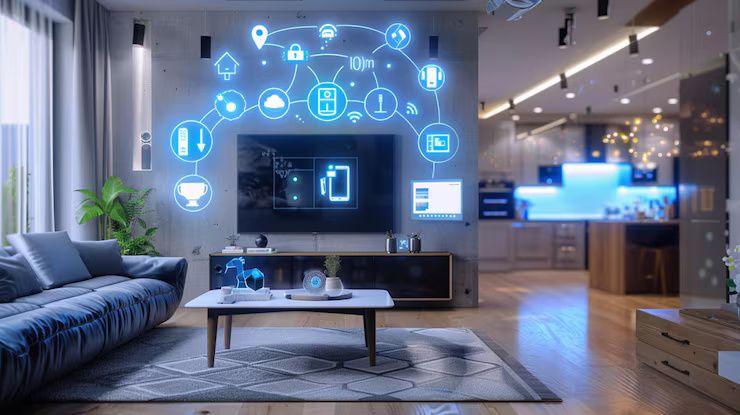
Importance Insights Smart Home Benefits
The importance of IoT-enabled home automation has grown significantly in recent years due to increased internet accessibility and advancements in smart technology. It affects homeowners, renters, property developers, and even urban planners.
Key reasons why it matters today include:
-
Energy Efficiency: Smart thermostats and lighting systems reduce unnecessary energy consumption.
-
Security Enhancement: Smart cameras, door locks, and alarms provide real-time monitoring and alerts.
-
Convenience and Comfort: Automated routines simplify daily activities, such as morning or bedtime settings.
-
Accessibility: Assists elderly individuals or people with disabilities by enabling voice or remote control.
Below is a simple comparison table showing traditional homes vs IoT-enabled homes:
| Feature | Traditional Home | IoT-Enabled Home |
|---|---|---|
| Lighting Control | Manual | Automated/Remote |
| Energy Monitoring | Limited | Real-time Data |
| Security Systems | Basic | Smart & Connected |
| Appliance Management | Independent | Integrated |
These systems help solve common challenges such as energy wastage, lack of real-time monitoring, and limited control over home environments.
Recent Trends Smart Technology Updates
In the past year (2024–2025), several notable trends have shaped the IoT home automation landscape:
-
AI Integration (2025): Artificial intelligence is being embedded into home systems for predictive automation. Devices learn user habits and adjust settings automatically.
-
Matter Protocol Adoption (2024): A universal standard called Matter has gained adoption, enabling better compatibility between devices from different brands.
-
Edge Computing Growth: More processing is happening locally on devices, reducing reliance on cloud systems and improving response time.
-
Voice Control Expansion: Voice assistants have become more accurate and widely used for controlling smart devices.
-
Sustainability Focus: Smart homes are increasingly designed to reduce carbon footprints through energy-efficient automation.
A simple trend representation:
| Year | Key Development |
|---|---|
| 2024 | Standardization (Matter Protocol) |
| 2025 | AI-driven automation expansion |
These updates highlight the shift toward more intelligent, interconnected, and user-friendly home environments.
Laws Policies Smart Technology Regulations
IoT-enabled home automation is influenced by various laws and policies, especially concerning data privacy, cybersecurity, and energy efficiency.
In India and globally, key regulatory aspects include:
-
Data Protection Laws: Regulations like India’s Digital Personal Data Protection Act (2023) emphasize user consent and secure handling of personal data collected by smart devices.
-
Cybersecurity Guidelines: Government agencies recommend secure device configurations to prevent unauthorized access.
-
Energy Efficiency Standards: Smart appliances often comply with energy rating systems set by regulatory bodies.
-
Smart City Initiatives: Government programs promote IoT adoption in residential infrastructure as part of broader urban development.
These policies ensure that IoT systems are safe, reliable, and aligned with public interest. Users are encouraged to use devices that comply with recognized standards and follow secure usage practices.
Tools Resources Smart Devices Platforms
A variety of tools and resources support IoT-enabled home automation, making it easier to set up and manage connected systems.
Common tools and platforms include:
-
Smart Home Apps: Mobile applications that control multiple devices from a single interface.
-
Voice Assistants: Enable hands-free control of home systems.
-
Home Automation Hubs: Central devices that connect and coordinate different smart devices.
-
Energy Monitoring Tools: Track electricity usage and provide insights for optimization.
-
Security Platforms: Offer real-time surveillance and alert systems.
Below is a basic structure of a smart home system:
| Component | Function |
|---|---|
| Sensors | Detect motion, temperature, light |
| Controller (Hub) | Processes and manages devices |
| Actuators | Execute actions (lights, locks) |
| User Interface | App or voice control |
These tools help users create customized automation setups based on their preferences and requirements.
FAQs
What is IoT in home automation?
IoT in home automation refers to interconnected devices that communicate over the internet to automate and control household functions.
Is IoT home automation secure?
Security depends on proper setup, including strong passwords, regular updates, and using trusted devices that follow cybersecurity standards.
Can IoT systems work without the internet?
Some features may work locally, but most remote access and advanced automation functions require internet connectivity.
Are IoT-enabled homes energy efficient?
Yes, they help optimize energy use by automating lighting, heating, and cooling based on real-time conditions.
What devices are commonly used in smart homes?
Common devices include smart lights, thermostats, security cameras, smart locks, and connected appliances.
Conclusion
IoT-enabled home automation represents a significant shift in how people interact with their living spaces. By integrating smart devices and systems, homes are becoming more responsive, efficient, and secure.
The growing adoption of AI, standardized protocols, and energy-focused solutions indicates a future where smart homes are not just a luxury but a practical necessity. At the same time, awareness of data privacy and regulatory compliance remains essential.
Understanding the basics, tools, and evolving trends helps individuals make informed decisions about adopting IoT technology. As innovation continues, home automation is expected to play a key role in shaping modern lifestyles and sustainable living environments.