Capsule Banding Machines Overview: Components, Automation Systems, and Practical Knowledge
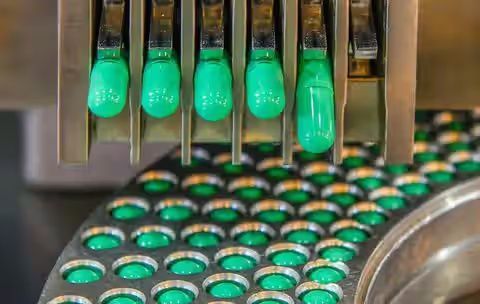
Capsule banding machines are specialized equipment used in the pharmaceutical and nutraceutical industries to seal capsules after they have been filled. These machines apply a thin layer of material around the joint of a capsule, helping secure its contents and maintain its integrity during handling and transport. The use of capsule banding has grown alongside modern manufacturing practices that focus on consistency, safety, and traceability.
The concept of capsule sealing is not new, but it has evolved with automation and precision engineering. Early methods relied on manual processes, which could lead to variability in output. Today, capsule banding machines integrate advanced components and automated systems that improve accuracy and reduce human error. This evolution reflects the broader shift toward standardized production methods in industries where product consistency is essential.
Understanding how these machines work involves looking at their structure, the materials they use, and the automation systems that control their operation. For general readers, gaining practical knowledge about capsule banding machines helps clarify how everyday health-related products are prepared and safeguarded before reaching consumers.
Importance
Capsule banding machines play an important role in ensuring product quality and safety. Capsules that are not properly sealed may be vulnerable to environmental factors such as moisture, air exposure, or contamination. Banding adds an extra layer of protection, reducing the likelihood of leakage or tampering.
This process affects multiple stakeholders, including manufacturers, regulatory authorities, and end users. For manufacturers, consistent banding helps maintain production standards. For regulators, it supports compliance with safety guidelines. For consumers, it contributes to confidence in the reliability of encapsulated products.
Another practical challenge addressed by capsule banding machines is the prevention of capsule separation. In transportation or storage, capsules may come apart if not sealed correctly. Banding helps keep the two halves intact, preserving the intended dosage and formulation.
In addition, automation systems within these machines support efficient production. By reducing manual intervention, they help maintain uniformity across large batches, which is essential for meeting industry expectations.
Recent Updates
Recent developments in capsule banding machines have focused on automation, digital integration, and sustainability. Manufacturers are increasingly incorporating programmable logic controllers (PLCs) and touchscreen interfaces that allow operators to monitor and adjust processes with greater precision.
One notable trend is the integration of sensors and real-time monitoring systems. These features help detect inconsistencies during the banding process, such as uneven application or alignment issues. As a result, operators can address problems quickly without interrupting the entire production line.
Another development involves improved material handling systems. Modern machines are designed to handle different capsule sizes and materials with minimal adjustment. This flexibility supports diverse production needs without requiring extensive downtime.
Energy efficiency and reduced material waste have also become areas of focus. Newer designs aim to optimize the use of banding solutions while maintaining consistent sealing quality. This reflects a broader industry trend toward environmentally conscious manufacturing practices.
Laws or Policies
Capsule banding machines operate within a framework of regulations that govern pharmaceutical and nutraceutical production. These rules vary by country but generally focus on safety, quality control, and documentation.
In many regions, manufacturing facilities must follow Good Manufacturing Practices (GMP). These guidelines outline how equipment, including capsule banding machines, should be maintained, calibrated, and operated. The goal is to ensure that every batch meets established standards.
Regulatory bodies may also require validation of automated systems. This means that the machine’s performance must be tested and documented to confirm that it consistently produces acceptable results. Automation systems must be reliable and traceable, with records of each operation.
Labeling and packaging regulations can also influence the use of capsule banding. In some cases, sealed capsules are part of compliance requirements, especially when tamper evidence is necessary.
The following table summarizes key regulatory considerations:
| Aspect | Description |
|---|---|
| Equipment Validation | Machines must demonstrate consistent and reliable performance |
| GMP Compliance | Ensures proper handling, maintenance, and documentation |
| Quality Control | Monitoring of sealing accuracy and batch consistency |
| Traceability | Recording of production data for audits and inspections |
| Tamper Evidence | Sealing methods may support regulatory requirements for product integrity |
Tools and Resources
Understanding capsule banding machines can be supported by various tools and resources that provide technical and operational insights. These resources are often used by professionals but can also help general readers learn more about the subject.
Digital manuals and documentation platforms provide detailed explanations of machine components and workflows. These materials often include diagrams and step-by-step descriptions that make complex systems easier to understand.
Simulation software is another useful tool. It allows users to visualize how capsule banding machines operate under different conditions. By adjusting variables such as speed or temperature, users can observe how these factors influence the final outcome.
Educational websites and industry publications regularly share updates about automation systems and equipment design. These platforms often explain new technologies in simple terms, making them accessible to a wider audience.
Templates for process documentation can also be helpful. They outline how production steps are recorded and monitored, which is important for maintaining consistency and compliance.
FAQs
What are capsule banding machines used for?
Capsule banding machines are used to seal filled capsules by applying a band around their joint. This helps prevent leakage, contamination, and separation during storage and transportation.
How do automation systems improve capsule banding machines?
Automation systems improve capsule banding machines by controlling parameters such as speed, alignment, and material application. They reduce human error and support consistent results across large production batches.
What components are commonly found in capsule banding machines?
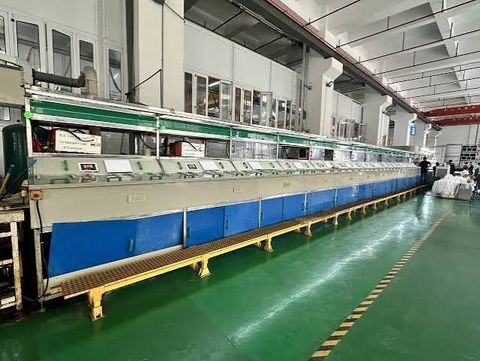
Common components include feeding systems, banding solution applicators, drying units, and control panels. Each part plays a role in ensuring that capsules are sealed accurately and efficiently.
Are capsule banding machines required by regulations?
Capsule banding machines are not always mandatory, but they are often used to meet regulatory expectations related to product integrity and tamper evidence. Requirements depend on regional guidelines and product type.
Can capsule banding machines handle different capsule sizes?
Many modern capsule banding machines are designed to accommodate various capsule sizes and materials. Adjustable settings and modular components allow flexibility in production.
Conclusion
Capsule banding machines are an important part of modern capsule production, helping ensure that products remain secure and consistent. Their components and automation systems work together to maintain quality while supporting efficient manufacturing processes. Ongoing developments in technology continue to refine their capabilities, making them more adaptable and precise. Understanding these machines provides useful insight into how everyday encapsulated products are prepared and protected.