IoT Sensors in Robotic Arms: Explore Advanced Integration and Control Techniques
IoT sensors in robotic arms are advanced devices that enable machines to perceive, interact with, and respond to their environment. By integrating sensors with internet connectivity, robotic arms can gather real-time data, communicate with control systems, and adjust their operations automatically. These sensors range from force and torque sensors to position encoders and temperature monitors, providing critical feedback for precise and adaptive robotic movements.
The rise of industrial automation, collaborative robots (cobots), and smart manufacturing has increased the demand for robotic arms equipped with IoT-enabled sensors. These sensors allow machines to interact with their environment intelligently and perform tasks with greater precision.
IoT sensors enable robotic arms to collect, process, and respond to real-time data. This makes them essential in industries such as manufacturing, healthcare, and research, where accuracy and safety are critical.
Why IoT Sensors in Robotic Arms Matter
IoT sensors play a key role in enhancing the performance and reliability of robotic systems. They allow robotic arms to execute complex tasks with improved control and adaptability.
Key Benefits
- Enhanced Accuracy: Sensors provide real-time feedback on position, force, and motion
- Predictive Maintenance: Continuous monitoring helps detect issues before failures occur
- Improved Safety: Proximity and force sensors enable safe human-robot interaction
- Data-Driven Optimization: Analytics improve efficiency and reduce resource waste
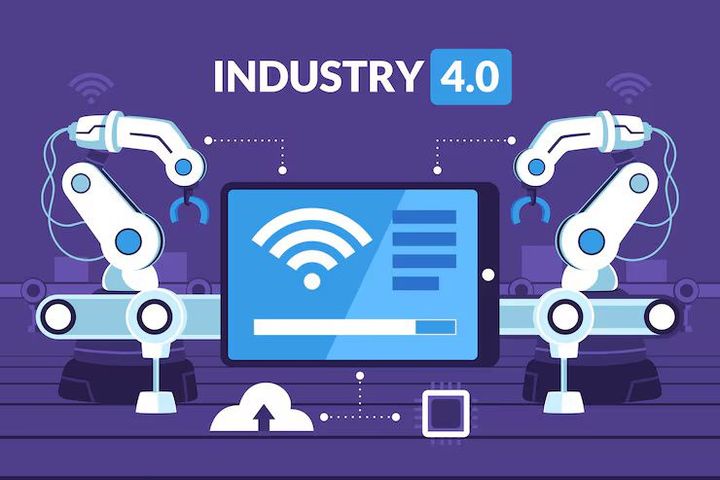
Industries such as automotive, electronics, pharmaceuticals, and logistics rely heavily on sensor-driven robotic arms. These systems are essential for supporting modern Industry 4.0 operations.
Recent Trends and Updates in IoT Sensor Integration
Recent advancements in 2025–2026 have significantly improved the capabilities of IoT sensors in robotics. These innovations focus on speed, intelligence, and efficiency.
Key Trends
- Miniaturization of Sensors: Smaller sensors allow more flexible and complex robotic movements
- Edge Computing: Local data processing enables faster decision-making without cloud dependency
- AI and Machine Learning Integration: Systems adapt and optimize performance based on sensor data
- Wireless Connectivity Improvements: Technologies like Wi-Fi 6 and 5G enable low-latency communication
- Sustainability Focus: Energy-efficient sensors reduce operational costs and environmental impact
Modern robotic systems often use multi-sensor arrays combining tactile, force, and vision sensors to replicate human-like precision.
Regulations and Policies Affecting IoT Sensors in Robotics
IoT-enabled robotic systems must comply with safety, data security, and operational standards. These regulations ensure safe and ethical deployment.
Key Standards and Policies
- ISO 10218 and ISO/TS 15066: Safety standards for industrial and collaborative robots
- IEC 61508: Functional safety for electronic and sensor-based systems
- Data Protection Laws: Regulations governing secure handling of sensor data
- National Robotics Programs: Government initiatives supporting innovation and compliance
Adhering to these standards helps organizations maintain safety, reliability, and legal compliance.
Tools and Resources for Working with IoT Sensors
Various tools and platforms support the development, testing, and management of IoT sensors in robotic systems. These resources help engineers optimize performance and reliability.
Simulation Software
- ROS (Robot Operating System)
- MATLAB
- Gazebo
IoT Platforms
- AWS IoT
- Azure IoT Hub
- Google Cloud IoT
Sensors and Modules
- Force and torque sensors
- Accelerometers
- LiDAR and proximity sensors
Data Visualization Tools
- Grafana
- Tableau
Calibration and Testing Tools
- Digital multimeters
- Oscilloscopes
- Robotic test benches
Tools Overview Table
| Tool Category | Example Tools/Platforms | Purpose |
|---|---|---|
| Simulation Software | ROS, MATLAB, Gazebo | Virtual testing and programming |
| IoT Platforms | AWS IoT, Azure IoT Hub | Data collection and cloud analytics |
| Sensors & Modules | Force sensors, LiDAR | Real-time motion and environment monitoring |
| Data Visualization | Grafana, Tableau | Analysis of sensor outputs |
| Calibration Tools | Multimeters, oscilloscopes | Accurate testing and maintenance |
How do IoT sensors improve robotic arm precision?
IoT sensors provide real-time data on movement, force, and orientation. This allows control systems to make continuous adjustments for accurate performance.
What types of sensors are commonly used?
- Position and rotation encoders
- Force and torque sensors
- Proximity and distance sensors
- Temperature and vibration sensors
- Vision and LiDAR sensors
Can IoT sensors predict failures?
Yes, predictive maintenance uses sensor data to detect irregular patterns. This helps prevent breakdowns and reduces downtime.
Are IoT sensors secure?
Security depends on proper encryption, authentication, and adherence to IoT standards. Secure platforms and protocols are essential.
How does AI work with IoT sensors?
AI analyzes sensor data to optimize movements, detect anomalies, and enable adaptive robotic behavior.
Conclusion
IoT sensors are transforming robotic arms by enabling precision, intelligence, and safety in automated systems. They allow machines to adapt to their environment and perform tasks with greater efficiency.
With advancements in AI, edge computing, and connectivity, IoT-enabled robotic systems continue to evolve. By using the right tools and following regulatory standards, organizations can ensure reliable and effective deployment of these technologies in modern industrial environments.