Generative Video Editing: Complete Guide to AI-Powered Video Creation and Enhancement
Generative video editing is changing the way people create and improve video content.
With the help of artificial intelligence, creators can edit videos faster, generate visual elements, improve quality, and transform scenes with minimal manual effort.
Video content has become an essential part of digital communication, marketing, education, entertainment, and social media. As demand for high-quality videos continues to grow, AI video generation and intelligent editing tools are helping creators produce engaging content more efficiently.
This guide explains generative video editing, how it works, its main categories, benefits, applications, and future developments in AI-powered video creation.
Understanding the Concept
Generative video editing refers to the use of artificial intelligence to create, modify, enhance, or transform video content automatically. Instead of manually adjusting every frame, AI models analyze video data and generate new visual elements, effects, animations, or improvements.
Traditional editing often requires extensive time and technical expertise. AI-powered video editing reduces many repetitive tasks by understanding visual patterns, movement, objects, and scenes.
For example, a creator can change a background, improve video resolution, remove unwanted objects, generate realistic animations, or create entirely new scenes using AI video generation technology.
Generative AI video tools learn from large collections of visual data and use that knowledge to create realistic outputs based on user instructions.
Key Types or Categories
Several forms of generative video editing are commonly used across industries.
AI Video Generation
AI video generation creates video content from text descriptions, images, or existing footage.
Examples include:
- Text-to-video creation
- Image-to-video animation
- AI-generated scenes
- Virtual storytelling videos
This category allows creators to generate visual content from simple prompts.
Video Enhancement
Video enhancement improves existing footage.
Common improvements include:
- Video upscaling
- Noise reduction
- Color correction
- Frame interpolation
- Resolution enhancement
These features help improve visual quality without extensive manual editing.
AI Motion Graphics
AI motion graphics automatically generate animated visual elements.
These may include:
- Animated text
- Dynamic transitions
- Visual effects
- Promotional graphics
- Interactive elements
Motion graphics improve viewer engagement and visual appeal.
Object and Scene Editing
AI can identify and modify specific elements within a video.
Examples include:
- Removing unwanted objects
- Replacing backgrounds
- Adding visual elements
- Changing weather effects
- Modifying environments
This process makes complex edits more accessible.
Avatar and Character Generation
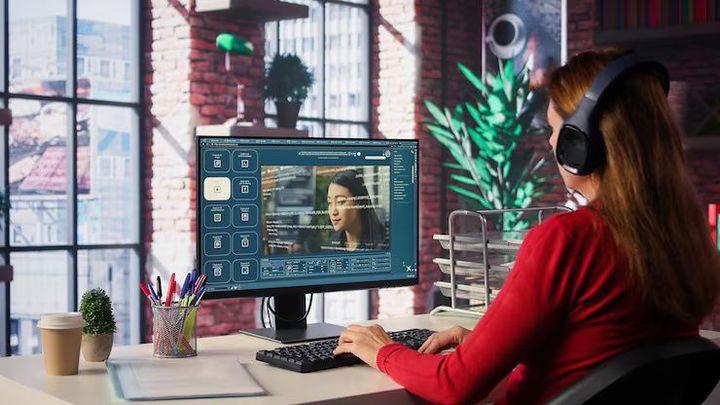
AI-generated avatars and virtual presenters are becoming increasingly popular.
These digital characters can:
- Present information
- Narrate content
- Deliver training materials
- Create educational videos
Virtual presenters reduce the need for traditional recording sessions.
Important Subsections
Text-to-Video Technology
Text-to-video technology converts written instructions into visual content.
For example, a user may type:
"Create a sunset beach scene with gentle waves."
The AI interprets the description and generates corresponding video footage.
This capability is expanding opportunities for content creators and marketers.
Video Upscaling
Older or lower-quality videos can be enhanced using AI video upscaling.
The technology analyzes frames and adds visual detail to improve clarity.
This is particularly useful for archived footage and legacy media content.
Automated Video Editing
Automated video editing uses AI to perform repetitive tasks.
Examples include:
- Scene detection
- Clip selection
- Transition placement
- Subtitle generation
- Audio synchronization
Automation helps streamline production workflows.
Visual Effects Generation
AI visual effects allow creators to add cinematic enhancements without extensive manual work.
Effects may include:
- Lighting adjustments
- Environmental effects
- Object animations
- Dynamic backgrounds
These enhancements improve production quality and viewer engagement.
How It Works
Generative video editing follows a structured process.
Step 1: Input Collection
The system receives source material.
Inputs may include:
- Video clips
- Images
- Text prompts
- Audio files
- Storyboards
The AI analyzes this information before generating outputs.
Step 2: Content Analysis
Artificial intelligence examines:
- Objects
- Faces
- Motion patterns
- Backgrounds
- Lighting conditions
This analysis helps the system understand the content structure.
Step 3: AI Processing
Machine learning models generate edits based on user instructions.
Examples include:
- Creating new scenes
- Improving resolution
- Adjusting colors
- Adding visual effects
- Generating animations
The AI predicts realistic visual outcomes.
Step 4: Video Generation
The system produces new frames or modifies existing footage.
Generated content is blended into the original video to maintain consistency.
Step 5: Final Refinement
Users review and refine the results.
Additional adjustments may include:
- Timing changes
- Visual corrections
- Text updates
- Audio improvements
The final video is then prepared for publication or distribution.
Benefits and Advantages
Generative video editing provides numerous advantages across content creation environments.
Faster Production
AI significantly reduces the time required for repetitive editing tasks.
Creators can focus more on storytelling and creative direction.
Improved Efficiency
Automated processes streamline video workflows.
Tasks that previously required hours may now be completed much more quickly.
Enhanced Video Quality
Video enhancement technology improves:
- Sharpness
- Resolution
- Color balance
- Frame smoothness
This leads to a better viewing experience.
Greater Creative Flexibility
AI-generated content enables creators to experiment with ideas that would otherwise require extensive resources.
Creators can explore multiple concepts and visual styles rapidly.
Accessibility for Beginners
Many AI video editing platforms simplify complex editing tasks.
Users with limited technical experience can create professional-looking videos more easily.
Scalable Content Production
Organizations managing large amounts of video content can use AI workflows to maintain consistency across multiple projects.
This scalability supports growing content demands.
Real-World Examples or Applications
Generative video editing is being used in many industries.
Digital Marketing
Marketing teams use AI video creation to produce:
- Product demonstrations
- Promotional campaigns
- Brand storytelling videos
- Social media content
These videos help improve audience engagement.
Education and Training
Educational institutions use AI-generated videos for:
- Online learning
- Training modules
- Instructional content
- Interactive lessons
Visual learning materials often improve knowledge retention.
Entertainment Industry
Film and media creators use AI-powered video enhancement for:
- Visual effects
- Scene generation
- Animation support
- Post-production workflows
AI helps streamline production processes while expanding creative possibilities.
Real Estate Marketing
Property marketers use AI-generated video tours to showcase homes and commercial spaces.
Enhanced visual presentations help viewers better understand property layouts and features.
Corporate Communication
Organizations use AI-generated videos for:
- Internal communication
- Training materials
- Company updates
- Presentation content
Automated video creation improves communication efficiency.
Important Factors to Understand
Several considerations influence successful AI video creation.
Content Accuracy
Generated content should accurately represent the intended message.
Creators should review AI-generated outputs carefully before publication.
Data Quality
The quality of source material affects final results.
High-quality images, videos, and prompts generally produce better outputs.
Human Creativity
AI assists creators but does not replace human imagination.
Creative direction remains essential for producing engaging content.
Ethical Considerations
Responsible use of AI-generated media is important.
Creators should ensure transparency and avoid misleading visual representations.
Audience Expectations
Viewers increasingly expect high-quality visuals and engaging experiences.
Generative video editing helps meet these expectations while maintaining efficiency.
Future Trends and Industry Insights
The future of generative video editing continues to evolve rapidly.
Advanced AI Video Generation
Future systems will generate increasingly realistic videos with improved motion accuracy and scene consistency.
This will expand creative possibilities for content creators.
Real-Time Video Creation
Real-time AI video generation is becoming more practical.
Creators may soon generate and edit content instantly during live production workflows.
Personalized Video Experiences
AI will support highly personalized video content based on audience preferences and behavior.
This may improve engagement and relevance.
Improved Virtual Humans
AI-generated avatars and digital presenters are expected to become more realistic and expressive.
These virtual characters may play a larger role in education, marketing, and communication.
Integration with Emerging Technologies
Generative video editing is likely to integrate with:
- Augmented reality
- Virtual reality
- Interactive media
- Immersive experiences
These developments may create entirely new forms of digital storytelling.
Conclusion
Generative video editing represents a major advancement in AI-powered video creation and enhancement. By combining artificial intelligence with modern video production techniques, creators can generate content, improve quality, automate editing tasks, and explore new creative possibilities.
From AI video generation and video upscaling to automated editing and visual effects creation, this technology is transforming how videos are produced across marketing, education, entertainment, real estate, and corporate communication.
As artificial intelligence continues advancing, generative video editing will likely become even more powerful, efficient, and accessible. Understanding these technologies today can help creators and organizations prepare for the future of digital content creation.