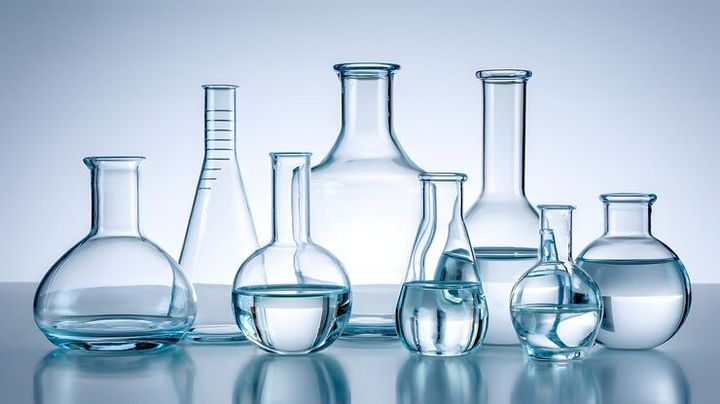
Laboratory Glassware Guide: Explore Types, Materials, Uses, Features, and Safety Factors
Laboratory glassware refers to glass-based equipment used for measuring, mixing, heating, transferring, storing, and observing substances in laboratory environments. A laboratory glassware guide helps explain the different types of vessels and instruments, the materials from which they are made, their common uses, and the safety factors associated with handling them.
Glass has been used in laboratory work for centuries because it can provide transparency, chemical resistance, and dimensional stability under many laboratory conditions. Modern laboratory glassware is commonly produced from specialized glass compositions designed for particular temperature and chemical requirements.
Common examples include beakers, test tubes, flasks, measuring cylinders, pipettes, burettes, funnels, and watch glasses. Although many items look similar, their shapes and markings are designed for different laboratory tasks.
Common Glass Materials
Laboratory glassware may be manufactured from different types of glass depending on its intended application. Borosilicate glass is widely used because it has relatively strong resistance to thermal shock and many laboratory chemicals.
Other glass compositions may be selected for specialized applications. Soda-lime glass, for example, is used for certain general laboratory items where the thermal requirements are less demanding. Quartz or fused silica can be used when very high temperature resistance or specific optical properties are required.
Why Shape Matters
The design of laboratory glassware is closely connected to its intended function. A narrow graduated cylinder supports volume measurement, while a wide beaker is more suitable for general mixing and handling. A volumetric flask has a calibrated neck designed for preparing a solution to a specific volume.
Understanding these differences is important because not every piece of glassware provides the same level of measurement accuracy. Some items are intended mainly for approximate measurements, while others are calibrated for more precise volumetric work.
Importance
Laboratory glassware plays a central role in educational, research, medical, environmental, chemical, food, and industrial laboratories. Accurate and appropriate glassware helps laboratory personnel perform routine operations such as preparing solutions, transferring liquids, conducting reactions, and observing samples.
For students and general laboratory users, understanding glassware can reduce confusion between equipment that has similar appearances but different purposes. For laboratory workers, correct selection and handling can also help reduce measurement errors and physical hazards.
Measurement and Experimental Work
Many laboratory procedures require controlled quantities of liquids. Graduated cylinders, burettes, pipettes, and volumetric flasks are designed for different measurement purposes.
The choice of glassware depends on the required level of accuracy. A beaker may be suitable for approximate volume estimation, whereas a volumetric flask is designed for preparing a solution at a defined volume.
Chemical Compatibility
Glass is resistant to many common laboratory chemicals, but it is not universally compatible with every substance. Certain chemicals can attack particular glass compositions, especially under specific concentrations, temperatures, or exposure periods.
Hydrofluoric acid is a notable example because it can attack silica-based glass. Strong alkaline solutions can also damage glass under certain conditions, particularly when exposed for extended periods or at elevated temperatures.
Thermal Considerations
Temperature changes can create stress within glass. Rapidly moving glassware from a hot condition to a cold surface or liquid can cause thermal shock and potentially result in breakage.
Heat-resistant laboratory glass is designed to tolerate particular temperature changes, but it still has operating limitations. Manufacturer specifications and laboratory procedures should determine whether a particular vessel is appropriate for heating.
Recent Updates
From 2024 through 2026, laboratory glassware has continued to evolve alongside broader developments in laboratory automation, analytical testing, sustainability, and quality control. The basic forms of beakers, flasks, cylinders, and pipettes remain familiar, but manufacturing and laboratory practices increasingly emphasize dimensional consistency, traceability, durability, and compatibility with automated workflows.
Modern laboratories also increasingly combine traditional glassware with electronic instruments and automated systems. For example, sample preparation may use glass vessels alongside automated liquid-handling equipment, balances, sensors, and analytical instruments.
Standardization and Quality Control
International standards continue to define requirements for laboratory glassware dimensions, capacity, tolerances, markings, and performance characteristics. Standards help laboratories identify appropriate equipment for specific measurement and experimental requirements.
ISO maintains standards covering various types of laboratory glassware, including volumetric instruments and laboratory containers. The exact standard applicable depends on the type of glassware and its intended use.
Sustainability Considerations
Reusable laboratory glassware remains relevant in laboratories where cleaning, sterilization, and repeated use are appropriate. Its reusable nature can reduce the need for repeated disposal of certain single-use vessels, although cleaning and sterilization themselves require water, energy, and laboratory resources.
Laboratories are therefore considering the complete life cycle of laboratory equipment, including durability, cleaning requirements, breakage rates, waste management, and the suitability of reusable or disposable materials for specific procedures.
Automated Laboratory Workflows
Automation has also influenced the design and use of laboratory vessels. Automated systems may require standardized dimensions, compatible openings, stable bases, and consistent volume characteristics.
Glassware used alongside automated equipment must be selected according to the specifications of the instruments and procedures involved. Not all traditional glass vessels are suitable for automated handling.
Laws or Policies
Laboratory glassware is affected by different standards, workplace safety rules, chemical-handling requirements, and laboratory quality systems. The exact requirements depend on the country, type of laboratory, substances handled, and intended application.
In India, laboratories may refer to standards and guidance issued by the Bureau of Indian Standards (BIS), along with applicable occupational safety, environmental, chemical-handling, and institutional requirements.
For laboratories conducting testing or calibration activities, ISO/IEC 17025 is an important international standard concerning competence, impartiality, and consistent laboratory operations. Its requirements can influence equipment management, calibration, measurement traceability, and documentation.
Laboratories involved in medical testing may operate under different regulatory and accreditation frameworks. Clinical laboratories can also refer to relevant requirements from organizations such as the National Accreditation Board for Testing and Calibration Laboratories (NABL), depending on their activities and accreditation status.
Handling and Workplace Safety
Laboratory safety procedures commonly address broken glass, chemical exposure, heating operations, pressure, contamination, and waste disposal. Appropriate personal protective equipment and laboratory procedures should be used according to the hazards involved.
Glassware intended for vacuum or pressure applications requires particular attention because ordinary laboratory vessels may not be designed to withstand substantial pressure differences. Specialized vessels and appropriate protective measures may be required.
Tools and Resources
Several resources can help users understand laboratory glassware and its correct application.
Glassware Specification Sheets
Manufacturer specification sheets can provide information about capacity, dimensions, glass composition, temperature limitations, graduations, tolerances, and intended applications. These details are useful when selecting glassware for a particular procedure.
Laboratory Manuals
Laboratory manuals and institutional standard operating procedures can explain how specific glassware should be cleaned, handled, heated, stored, and inspected. These documents are particularly useful in teaching and research laboratories.
Calibration and Measurement Resources
For quantitative work, calibration certificates and equipment records can help establish whether volumetric glassware meets the required measurement specifications. Calibration requirements depend on the type of glassware and the laboratory's quality system.
Useful Reference Categories
Common resources include:
- BIS standards and laboratory-related publications
- ISO standards for laboratory equipment and measurement
- NABL accreditation guidance
- Laboratory chemical compatibility charts
- Manufacturer technical catalogs
- Institutional laboratory safety manuals
- Equipment calibration records
- Chemical safety data sheets
Laboratory Glassware Types and Uses
| Glassware type | Common purpose | Typical characteristic |
|---|---|---|
| Beaker | Mixing, heating, holding liquids | Wide opening and relatively simple shape |
| Test tube | Small-scale reactions and sample handling | Narrow cylindrical vessel |
| Erlenmeyer flask | Mixing and reaction work | Narrow neck and wider base |
| Volumetric flask | Preparing solutions to a defined volume | Calibrated neck and single volume mark |
| Graduated cylinder | Measuring liquid volume | Tall body with graduated markings |
| Burette | Controlled liquid delivery | Long graduated tube with a control valve |
| Pipette | Measuring or transferring liquids | Designed for controlled liquid transfer |
| Watch glass | Evaporation, covering vessels, sample handling | Shallow circular glass piece |
| Glass funnel | Liquid transfer or filtration | Conical body with narrow stem |
| Reagent bottle | Storage of laboratory substances | Closure designed for controlled storage |
The actual accuracy, temperature tolerance, and chemical compatibility of each item depend on its design and specifications.
Safety Factors
Laboratory glassware should be inspected before use. Cracks, chips, deep scratches, damaged rims, or other visible defects can increase the likelihood of breakage.
Heating should be carried out only with glassware designed for the required temperature conditions. Sudden temperature changes should generally be avoided because they can create thermal stress.
Important Safety Practices
- Inspect glassware before use.
- Do not use visibly damaged vessels for demanding procedures.
- Use suitable protective equipment.
- Handle hot glassware with appropriate tools.
- Avoid sudden temperature changes.
- Follow chemical compatibility guidance.
- Use appropriate containers for vacuum or pressure work.
- Dispose of broken glass in designated glass-waste containers.
- Keep laboratory work areas organized to reduce accidental impacts.
- Follow the laboratory's established safety procedures.
When glassware breaks after contact with chemicals or biological materials, the cleanup procedure should follow the relevant laboratory safety protocol rather than relying only on ordinary waste handling.
FAQs
What is laboratory glassware used for?
Laboratory glassware is used for tasks such as measuring, mixing, heating, transferring, storing, and observing laboratory materials. Different designs are intended for different levels of accuracy and different experimental procedures.
What are the main types of laboratory glassware?
Common types include beakers, test tubes, Erlenmeyer flasks, volumetric flasks, graduated cylinders, burettes, pipettes, funnels, watch glasses, and reagent bottles. Their shapes and markings correspond to different laboratory functions.
Why is borosilicate glass commonly used in laboratory glassware?
Borosilicate glass is commonly used because it has good resistance to many laboratory chemicals and can tolerate temperature changes better than some general-purpose glass compositions. Its suitability still depends on the specific application.
How should laboratory glassware be handled safely?
Glassware should be inspected for damage, handled carefully, and used within its specified temperature, chemical, and pressure limits. Appropriate protective equipment and laboratory safety procedures should also be followed.
Can laboratory glassware be reused?
Many types of laboratory glassware are designed for repeated use when they can be properly cleaned, inspected, and sterilized where required. Reuse depends on the material, procedure, contamination risk, and laboratory protocol.
Conclusion
Laboratory glassware includes a wide range of vessels and instruments designed for measuring, mixing, transferring, heating, storing, and observing laboratory materials. Glass composition, shape, calibration, and intended application determine how each item should be used. Recent laboratory practices increasingly combine traditional glassware with standardized quality systems, automation, and sustainability considerations. Safe handling requires attention to chemical compatibility, temperature limits, physical condition, and applicable laboratory procedures.