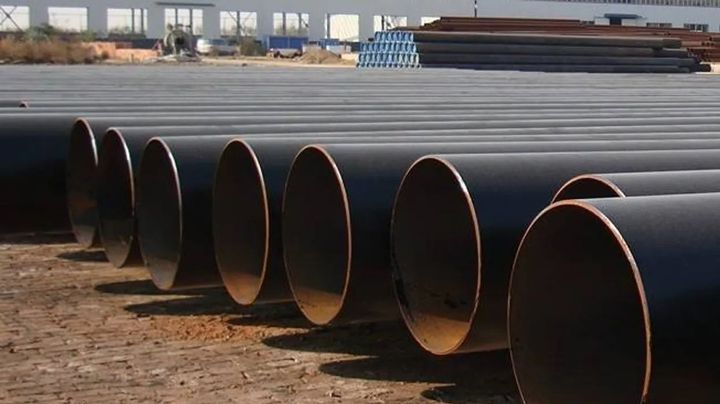
Large Bore Piping Guide: Types, Uses, and Benefits
Large bore piping plays an important role in industries that need to transport large volumes of liquids, gases, or other materials efficiently. These piping systems are commonly found in sectors such as oil and gas, power generation, water treatment, chemical processing, and manufacturing. Their larger diameter allows greater flow capacity while maintaining operational efficiency.
As industrial infrastructure continues to expand, understanding large bore piping has become increasingly important for engineers, project managers, maintenance teams, and facility operators. This guide explains the basics of large bore piping, its applications, benefits, current developments, regulatory considerations, and useful resources.
Context
Large bore piping refers to piping systems with relatively large diameters, typically greater than 12 inches (300 mm), although the exact definition can vary depending on industry standards and project requirements.
The primary purpose of large bore piping is to transport significant quantities of fluids or gases over short or long distances. These systems are designed to withstand varying pressures, temperatures, and environmental conditions while ensuring reliable flow.
Common Types of Large Bore Piping
- Carbon steel piping
- Stainless steel piping
- Alloy steel piping
- Ductile iron piping
- Reinforced plastic piping
- Concrete-lined piping
The selection of material depends on factors such as operating pressure, temperature, corrosion resistance, and transported media.
Typical Applications
- Oil and gas transmission networks
- Municipal water supply systems
- Wastewater treatment plants
- Thermal and nuclear power facilities
- Chemical processing plants
- Industrial manufacturing operations
Importance
Large bore piping is essential because it enables efficient transportation of materials on a large scale. Without these systems, many industrial and public infrastructure projects would struggle to maintain operational performance.
Key benefits include:
- Higher flow capacity
- Reduced pressure loss over long distances
- Improved operational efficiency
- Enhanced system reliability
- Support for large-scale infrastructure development
The impact of large bore piping extends beyond industrial facilities. Communities rely on these systems for water distribution, energy production, wastewater management, and other essential functions.
Benefits Overview
| Benefit | Description |
|---|---|
| High Flow Rate | Supports movement of large fluid volumes |
| Efficiency | Reduces energy losses during transport |
| Durability | Designed for demanding operating conditions |
| Scalability | Suitable for expanding industrial networks |
| Reliability | Supports continuous operations |
Recent Updates
Between 2024 and 2026, several developments have influenced the design and operation of large bore piping systems.
One major trend is the increased use of digital monitoring technologies. Operators are integrating sensors and monitoring systems to track pressure, temperature, vibration, and flow rates in real time.
Another important development is the adoption of advanced materials that provide improved corrosion resistance and longer operational life. New coating technologies and composite materials are also receiving greater attention.
Sustainability initiatives have encouraged industries to optimize pipeline performance and reduce energy consumption. Modern engineering practices focus on minimizing leaks, improving maintenance planning, and extending equipment lifespan.
Additional developments include:
- Expansion of smart infrastructure projects
- Greater use of predictive maintenance software
- Improved welding and inspection techniques
- Increased emphasis on environmental compliance
- Enhanced digital modeling through 3D engineering tools
These advancements help organizations improve safety, efficiency, and long-term asset management.
Laws or Policies
Large bore piping systems are subject to various national and international standards designed to ensure safety, reliability, and environmental protection.
Common regulatory frameworks include:
- ASME piping standards
- API pipeline standards
- ISO technical standards
- Occupational safety regulations
- Environmental protection requirements
Specific requirements often depend on:
- Industry sector
- Geographic location
- Operating pressure
- Material type
- Environmental conditions
Project owners and operators must conduct regular inspections, testing, and maintenance activities to maintain compliance with applicable regulations.
Documentation requirements commonly include:
- Design calculations
- Material certifications
- Inspection records
- Pressure test reports
- Maintenance documentation
Compliance helps reduce operational risks and supports safe system performance throughout the piping lifecycle.
Tools and Resources
Several tools and resources can assist professionals involved in large bore piping projects.
Engineering and Design Resources
- ASME standards documentation
- ISO standards databases
- Material selection guides
- Pipe sizing reference charts
- Engineering handbooks
Digital Tools
| Tool Type | Purpose |
| Pipe Sizing Calculators | Estimate required pipe diameter |
| Flow Analysis Software | Evaluate fluid behavior |
| Stress Analysis Programs | Assess structural integrity |
| CAD Platforms | Create piping layouts |
| Asset Management Systems | Track maintenance activities |
Useful information can also be found through government infrastructure agencies, engineering associations, technical publications, and academic research institutions.
These resources help improve design accuracy, operational safety, and long-term performance management.
FAQs
What is considered large bore piping?
Large bore piping generally refers to pipe systems with diameters larger than approximately 12 inches, though definitions may vary by industry and project requirements.
Where is large bore piping commonly used?
It is commonly used in oil and gas facilities, power plants, water treatment systems, chemical plants, and large industrial operations.
What materials are used for large bore piping?
Common materials include carbon steel, stainless steel, alloy steel, ductile iron, reinforced plastics, and specialized composite materials.
Why is large bore piping important?
It enables efficient transport of large fluid volumes while reducing pressure losses and supporting reliable industrial operations.
How is large bore piping inspected?
Inspection methods may include visual examinations, pressure testing, ultrasonic testing, radiographic testing, and digital monitoring systems.
Conclusion
Large bore piping is a critical component of modern industrial and infrastructure systems. Its ability to transport large volumes of fluids and gases efficiently makes it essential for sectors such as energy, water management, manufacturing, and chemical processing. Recent advances in digital monitoring, materials technology, and predictive maintenance continue to improve system performance and reliability. Understanding the types, applications, benefits, and regulatory requirements of large bore piping helps organizations make informed decisions and maintain safe operations.