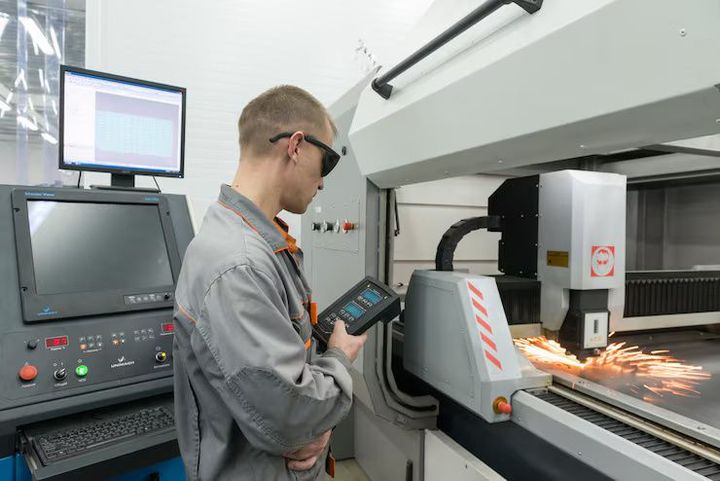
Laser Welding Machines Overview: Explore Technology, Techniques, and Industry Insights
Laser welding machines are advanced equipment used to join metals and thermoplastics using a concentrated laser beam. Unlike traditional welding methods, which rely on heat generated from electrical arcs or flames, laser welding uses light energy to produce precise, high-quality welds. This process is widely applied in industries such as automotive, aerospace, electronics, medical devices, and manufacturing.
Laser welding technology emerged in the 1960s and has advanced significantly over time. It enables high-speed, precise, and minimally invasive welding processes across a wide range of industries.
This method is particularly valued for producing strong, clean joints with minimal distortion, making it ideal for delicate and small components.
Importance of Laser Welding Machines
Laser welding plays a critical role in modern manufacturing due to its precision, efficiency, and adaptability. It supports industries that demand high-quality and reliable welds.
Key Applications
- Automotive and Aerospace: Used for structural and aesthetic components requiring strength and precision
- Electronics Manufacturing: Enables accurate welding of micro-scale components
- Medical Device Production: Supports the creation of implants and surgical tools with high integrity
- Industrial Efficiency: Reduces the need for post-processing such as grinding or polishing
Key Benefits
- High precision and accuracy
- Minimal heat-affected zones
- Strong and durable joints
- Reduced production errors
This technology helps engineers and manufacturers improve quality while optimizing production processes.
Recent Trends and Updates (2025–2026)
Laser welding continues to evolve with innovations in automation, materials, and digital integration. These advancements enhance both performance and efficiency.
Fiber Laser Advancements
Modern fiber lasers offer:
- Higher power output
- Improved beam quality
- Lower maintenance compared to CO₂ lasers
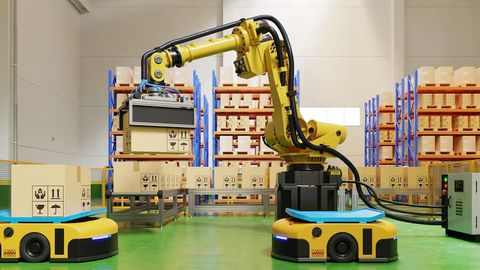
Robotics Integration
Laser welding systems are increasingly paired with robotic arms. This enables:
- Faster production
- Consistent weld quality
- Improved operator safety
Smart Monitoring Systems
AI-driven sensors and monitoring tools provide:
- Real-time defect detection
- Reduced material waste
- Improved process control
Material Innovations
Laser welding is now more effective for:
- Aluminum alloys
- Titanium
- Advanced composites
Technology Impact Table
| Innovation | Benefit |
|---|---|
| Fiber Lasers | Higher efficiency and precision |
| Robotics Integration | Faster, automated production |
| Smart Monitoring | Real-time quality control |
| Advanced Materials | Expanded application possibilities |
Laws, Regulations, and Safety Policies
Laser welding operations must comply with strict safety and industrial standards. These ensure safe usage and regulatory compliance.
Key Compliance Areas
- Laser Safety Standards: ANSI Z136.1 and IEC 60825-1 for operator protection
- Environmental Regulations: Control emissions such as fumes and particulates
- Industry Certifications: ISO 9001 and AS9100 for quality assurance
- Training Requirements: Certified training for operators handling laser systems
Following these guidelines helps prevent accidents and ensures consistent production quality.
Tools, Software, and Resources
Various tools and technologies support laser welding processes, improving accuracy, efficiency, and monitoring.
Essential Tools
- Fiber Laser Systems: High-precision welding equipment
- Laser Welding Simulators: Virtual testing using tools like ANSYS
- Beam Monitoring Sensors: Ensure proper alignment and focus
- Material Databases: Provide data on weldability and material behavior
- Digital Documentation Tools: Track parameters and inspection results
Tools Overview Table
| Tool/Resource | Purpose | Industry Use Cases |
|---|---|---|
| Fiber Laser System | Precision welding | Automotive, Aerospace |
| Laser Welding Simulator | Virtual parameter testing | Research, Manufacturing |
| Beam Monitoring Sensors | Alignment and focus control | Electronics, Medical Devices |
| Material Property Database | Analyze weldability | Engineering, Manufacturing |
| Documentation Tools | Record and track welding data | All industrial sectors |
These resources help maintain consistency, reduce errors, and optimize welding performance.
Frequently Asked Questions
What materials can be welded?
Laser welding works on metals such as:
- Steel
- Aluminum
- Titanium
- Alloys
Certain plastics and thermoplastics can also be welded using specialized systems.
How does it compare to traditional welding?
Laser welding offers:
- Higher precision
- Faster processing
- Smaller heat-affected zones
- Cleaner welds
Traditional methods may still be preferred for thicker materials or lower-cost applications.
Is laser welding safe?
Yes, when proper precautions are followed:
- Use protective eyewear
- Ensure shielding and ventilation
- Follow certified safety standards
Which industries benefit the most?
- Automotive
- Aerospace
- Electronics
- Medical devices
- Precision engineering
Can laser welding be automated?
Yes. Robotic integration allows automated welding for repetitive and complex tasks, improving productivity and reducing human error.
Conclusion
Laser welding machines are a cornerstone of modern manufacturing, offering unmatched precision, speed, and versatility. Their applications span industries from automotive to healthcare, enabling the production of high-quality and reliable components.
With advancements in fiber lasers, automation, and smart monitoring, the technology continues to evolve. By understanding its tools, safety standards, and applications, engineers and manufacturers can maximize efficiency while maintaining high quality.
Laser welding remains a vital technology for industries focused on innovation, performance, and sustainability.