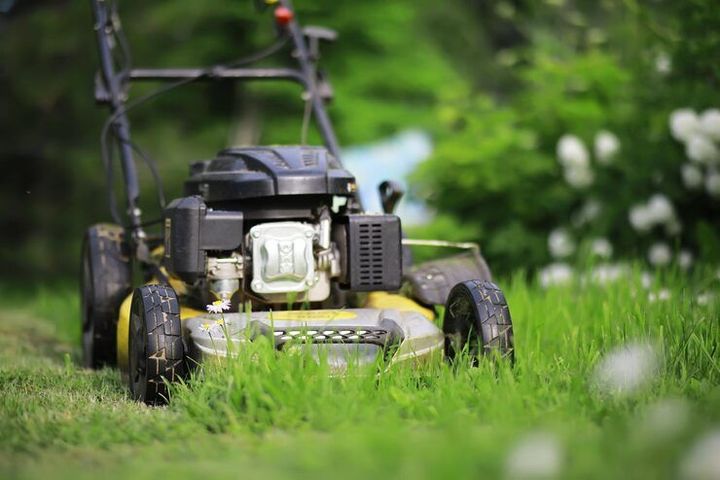
Lawn Cutting Machine Guide to Choosing the Right Equipment for Different Yard Sizes
A healthy, well-maintained lawn enhances the appearance of homes, parks, commercial landscapes, and recreational spaces.
Keeping grass trimmed to an appropriate height not only improves visual appeal but also supports healthier growth and easier maintenance. A lawn cutting machine is one of the most important tools for achieving consistent mowing results efficiently. With numerous machine designs available today, understanding their capabilities helps property owners choose equipment that matches the size and conditions of their outdoor spaces.
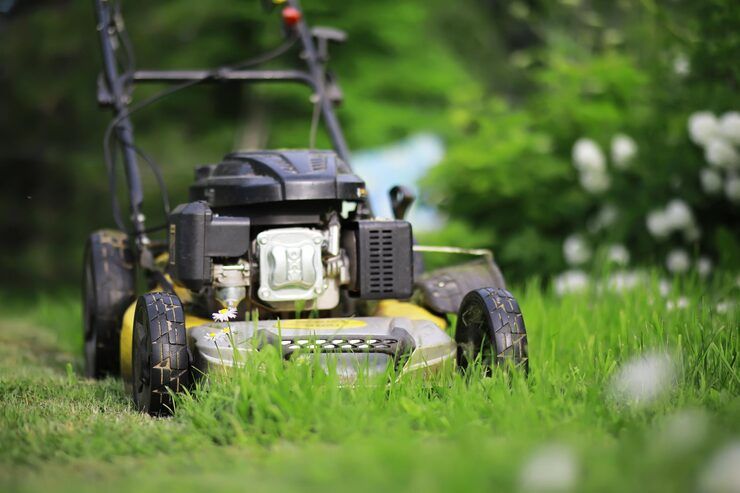
Modern lawn cutting machines are designed to improve cutting precision, reduce physical effort, and increase productivity. Advances in engine technology, battery-powered equipment, ergonomic controls, and adjustable cutting systems have made lawn maintenance more convenient than ever. This lawn cutting machine guide explains how these machines work, the different types available, their practical applications, and the key factors to consider when selecting equipment for different yard sizes.
This article explores lawn cutting machine basics, common machine types, important features, maintenance practices, decision-making considerations, and emerging trends in lawn care technology.
What Is a Lawn Cutting Machine?
A lawn cutting machine is equipment designed to trim grass evenly by using rotating blades powered by manual force, electricity, batteries, or fuel engines. These machines maintain consistent lawn height while improving the appearance and overall health of grassy areas.
Lawn cutting machines are used in residential gardens, commercial landscapes, sports facilities, golf courses, educational campuses, public parks, and municipal green spaces.
Depending on the application, machines may prioritize maneuverability, cutting width, operational efficiency, or the ability to handle uneven terrain.
Why Proper Lawn Maintenance Matters
Regular mowing contributes to healthier grass by encouraging dense growth and reducing the spread of weeds.
Consistent cutting also improves lawn appearance, supports better moisture distribution, and helps maintain outdoor areas used for recreation or landscaping.
Well-maintained lawns often require less intensive long-term care because proper mowing promotes stronger root systems and healthier grass development.
Using suitable equipment further improves efficiency by reducing mowing time while producing more uniform cutting results.
Common Types of Lawn Cutting Machines
Different lawn sizes and maintenance requirements benefit from different equipment designs.
Manual Reel Mowers
Manual reel mowers use rotating cylindrical blades powered by pushing the machine forward.
They are generally suitable for small, level lawns where quiet operation and simple maintenance are priorities.
Electric Lawn Mowers
Electric models use corded or rechargeable battery power to operate cutting blades.
They are popular for residential lawns because they produce lower noise levels and require relatively little routine maintenance.
Gas-Powered Lawn Mowers
Gas-powered machines provide higher cutting power and extended operating time, making them suitable for larger properties or areas with thicker grass.
They are commonly used where greater mobility and sustained performance are important.
Riding Lawn Mowers
Riding mowers allow operators to sit while mowing, significantly improving efficiency for large properties, parks, sports fields, and commercial landscapes.
Their wider cutting decks reduce the number of passes required to complete large areas.
Important Features to Consider
Several features influence the overall performance of a lawn cutting machine.
Adjustable cutting height allows users to maintain different grass lengths according to seasonal conditions and lawn requirements.
Cutting width affects productivity by determining how much grass is trimmed during each pass.
Collection systems gather grass clippings for easier cleanup, while mulching systems finely cut clippings that can naturally decompose and return nutrients to the soil.
Ergonomic handles, comfortable controls, and lightweight construction improve user comfort during extended mowing sessions.
Battery capacity or fuel tank size also influences uninterrupted operating time.
Matching Equipment to Yard Size
Choosing equipment based on lawn size improves efficiency and overall mowing performance.
Small residential gardens often benefit from manual or compact electric machines that are easy to maneuver around landscaping features.
Medium-sized yards typically require self-propelled electric or gas-powered models that balance cutting efficiency with maneuverability.
Large residential properties, commercial landscapes, sports grounds, and public parks frequently benefit from riding mowers that significantly reduce mowing time.
Uneven terrain, narrow pathways, tree coverage, and landscaping obstacles should also be considered when evaluating equipment suitability.
Maintenance for Reliable Performance
Routine maintenance helps extend machine lifespan while maintaining cutting quality.
Sharpening mower blades regularly improves cutting efficiency and reduces stress on grass.
Cleaning the cutting deck prevents accumulated grass from affecting airflow and blade performance.
Battery-powered models benefit from proper charging practices, while gas-powered equipment requires periodic inspection of fuel systems, oil levels, air filters, and spark plugs.
Checking wheels, belts, and safety controls also contributes to reliable long-term operation.
Well-maintained equipment generally performs more consistently throughout the mowing season.
Real-World Applications
Lawn cutting machines are used across numerous environments.
Homeowners rely on compact mowers to maintain residential gardens and front yards.
Landscape maintenance companies use commercial-grade equipment to manage multiple client properties efficiently.
Municipal organizations maintain parks, roadside green spaces, and recreational areas using larger machines designed for continuous operation.
Golf courses require specialized mowing equipment capable of maintaining different grass heights across fairways, greens, and surrounding landscapes.
Sports facilities also depend on precision mowing to maintain safe and visually consistent playing surfaces.
These applications demonstrate the versatility of modern lawn maintenance equipment.
Decision Guide: Choosing the Right Lawn Cutting Machine
Selecting the best lawn cutting machine depends on yard size, terrain, grass type, operating preferences, maintenance expectations, and available storage space.
Small, flat lawns often benefit from compact electric or manual equipment because these machines are lightweight, easy to maneuver, and relatively simple to maintain. Larger properties generally require more powerful gas-powered or riding equipment capable of covering greater distances efficiently.
A lawn cutting machine comparison typically considers cutting width, power source, adjustable height settings, maneuverability, maintenance requirements, operating noise, durability, and overall productivity.
In many cases, choosing equipment that closely matches lawn size tends to work well because oversized machines may reduce maneuverability, while undersized models can significantly increase mowing time.
The real difference appears when the selected machine balances cutting performance, user comfort, operational efficiency, and long-term maintenance requirements.
Emerging Trends in Lawn Care Equipment
Lawn maintenance technology continues advancing rapidly.
Battery-powered lawn cutting machines now offer longer operating times, faster charging, and reduced noise compared with earlier designs.
Robotic lawn mowers are becoming increasingly popular for automated residential lawn maintenance through programmable navigation and scheduled mowing.
Smart connectivity allows some machines to monitor maintenance schedules, battery status, and operating performance using mobile applications.
Manufacturers are also improving energy efficiency, lightweight materials, and environmentally responsible designs that reduce emissions and operating costs.
These innovations continue making lawn maintenance more convenient, efficient, and sustainable.
Frequently Asked Questions
1. What is a lawn cutting machine?
A lawn cutting machine is equipment designed to trim grass evenly using rotating blades powered manually, electrically, by battery, or by fuel engines.
2. Which lawn cutting machine is suitable for small yards?
Manual reel mowers and compact electric lawn mowers are commonly used for smaller residential lawns due to their maneuverability and ease of operation.
3. Why is adjustable cutting height important?
Adjustable cutting height allows users to maintain healthy grass by selecting an appropriate mowing height for seasonal conditions and grass varieties.
4. How often should lawn cutting machines be maintained?
Regular blade sharpening, cleaning, inspection of moving parts, and servicing according to manufacturer recommendations help maintain reliable performance.
5. What factors should be considered when choosing a lawn cutting machine?
Yard size, terrain, grass type, power source, cutting width, maintenance needs, storage space, and operating comfort should all be evaluated.
Conclusion
Choosing the right lawn cutting machine contributes to healthier lawns, improved mowing efficiency, and easier long-term landscape maintenance. Understanding machine types, cutting features, maintenance requirements, and yard size considerations helps users select equipment that matches their specific outdoor needs. This comprehensive lawn cutting machine guide demonstrates how thoughtful equipment selection supports better cutting performance, greater convenience, and consistent lawn care results. As lawn maintenance technology continues evolving, modern cutting machines will remain essential tools for maintaining attractive and healthy outdoor spaces.