Learn the Basics of Industrial Machinery Parts and Their Role in Manufacturing Systems
Modern manufacturing depends on machines that operate with precision, consistency, and efficiency.
From producing automotive components and construction materials to packaging consumer products and processing raw materials, industrial equipment performs countless tasks that keep production systems running. Behind every machine is a collection of specialized components working together to achieve reliable performance.
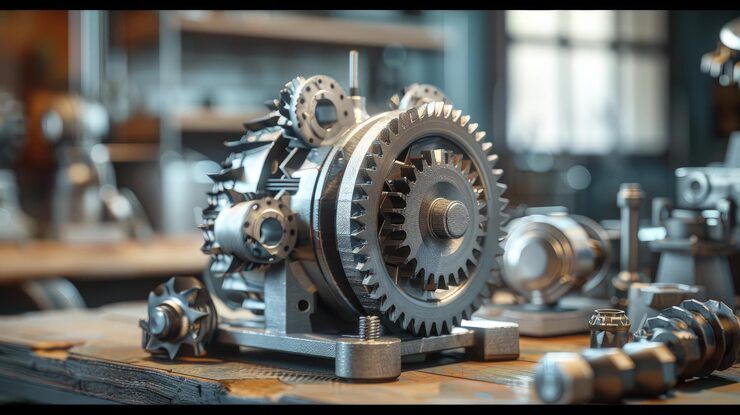
Industrial machinery parts form the foundation of these manufacturing systems. Each component contributes to movement, power transmission, control, safety, or operational stability. While large machines often receive the most attention, the individual parts inside them play an equally important role in determining productivity, efficiency, and long-term reliability.
What really matters is not simply the size or complexity of industrial equipment. The performance of manufacturing systems often depends on how effectively individual machinery parts function together under demanding operating conditions.
This guide explains the basics of industrial machinery parts, explores their role in manufacturing systems, examines common component categories, and highlights why understanding these parts is important in modern industrial environments.
Understanding Industrial Machinery Parts
Industrial machinery parts are the individual components that enable machines to perform specific functions within a manufacturing process.
Some parts generate movement, while others transmit power, control operations, or provide structural support. Together, these components allow machinery to carry out repetitive production tasks with accuracy and consistency.
This matters because even a highly advanced machine relies on the performance of its individual parts. If one critical component experiences wear or failure, overall production efficiency may be affected.
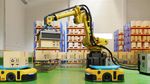
A practical example is a conveyor system where multiple mechanical and electrical components must work together to transport materials efficiently through a production line.
Why Machinery Parts Are Important in Manufacturing Systems
Manufacturing systems are designed to operate continuously while maintaining productivity and product quality.
Industrial machinery parts help achieve these goals by supporting machine movement, process control, and operational reliability. Without properly functioning components, production interruptions can occur, affecting efficiency and workflow stability.
The real difference appears when manufacturers focus not only on equipment performance but also on the condition and reliability of individual machine parts.
A real-world example is an automated packaging facility where component reliability directly influences production output and operational continuity.
How Machinery Parts Work Together
Industrial machines rarely rely on a single component to perform a task. Instead, they operate through interconnected systems where multiple parts contribute to a common objective.
Mechanical components provide movement and power transmission. Electrical systems support control and automation functions. Structural components maintain stability and alignment throughout operation.
This coordinated interaction matters because manufacturing efficiency often depends on smooth communication between different machine systems.
A practical example is a production machine where motors, gears, bearings, and control systems work together to ensure precise and repeatable operations.
Common Categories of Industrial Machinery Parts
Industrial machinery incorporates numerous component types, each serving a specific role.
Mechanical Components
Mechanical parts create and transfer movement throughout machinery systems. These components often handle forces generated during production operations.
Power Transmission Components
These parts transfer energy from power sources to operational systems, enabling machinery to perform required tasks efficiently.
Electrical and Control Components
Control systems help manage machine operations, monitor performance, and support automation processes.
Structural Components
Structural elements provide support, stability, and alignment for machinery during operation.
Each category contributes to overall machine performance and manufacturing efficiency.
Essential Machinery Parts Found in Manufacturing Equipment
Many industrial machines rely on a core group of commonly used components.
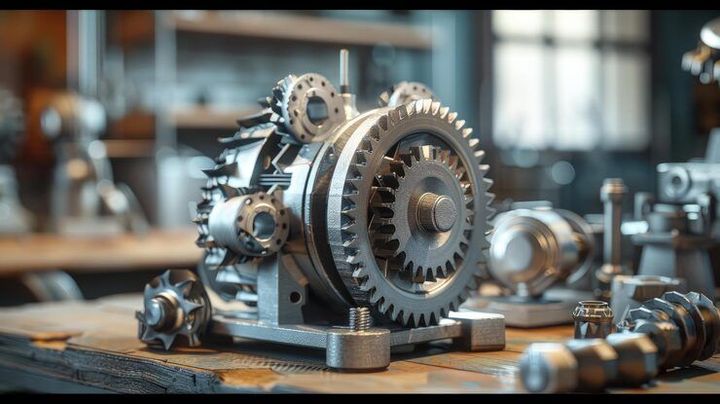
Bearings support rotating elements and reduce friction during operation. Their performance often influences equipment reliability and efficiency.
Gears help transfer power and control movement within machinery systems.
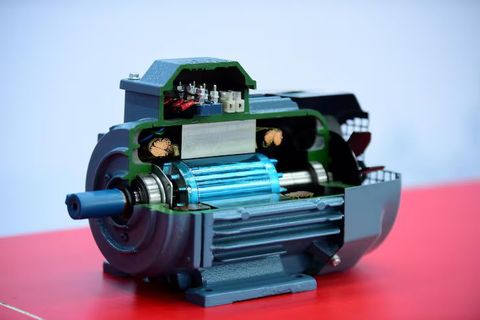
Motors provide the energy necessary to drive mechanical operations and automated processes.
Sensors collect operational data and help support monitoring and control functions.
Common industrial machinery parts include:
- Bearings
- Gears
- Motors
- Sensors
Together, these components help maintain efficient and reliable production operations.
The Relationship Between Machinery Parts and Production Efficiency
Production efficiency depends heavily on the condition and performance of machinery components.
Well-functioning parts help reduce operational interruptions, improve process consistency, and support predictable manufacturing outcomes.
This matters because even minor component issues can affect machine performance and production schedules.
A practical example is a manufacturing line where properly maintained bearings reduce friction and contribute to smoother equipment operation.
The real difference appears when manufacturers view machinery parts as critical contributors to operational performance rather than simply replacement components.
Maintenance Considerations for Industrial Machinery Parts
Maintenance plays an important role in preserving machinery performance and extending equipment life.
Regular inspections help identify wear, alignment issues, and potential operational concerns before they affect production.
Preventive maintenance strategies often focus on monitoring component condition and addressing issues proactively.
A real-world example is industrial equipment that undergoes scheduled inspections to detect bearing wear before operational problems develop.
Effective maintenance supports both equipment reliability and manufacturing efficiency.
Industrial Machinery Parts Compared by Function
| Component Type | Primary Function | Manufacturing Role |
|---|---|---|
| Bearings | Reduce Friction | Support Rotating Systems |
| Gears | Transfer Motion | Control Mechanical Movement |
| Motors | Generate Power | Drive Equipment Operations |
| Sensors | Monitor Conditions | Support Automation and Control |
| Structural Parts | Provide Stability | Maintain Equipment Alignment |
The real difference appears when these components operate together as part of a coordinated manufacturing system.
Decision Guide for Understanding Machinery Components
Evaluating industrial machinery parts depends on several practical factors.
Machine function is often the starting point because different equipment types require different component configurations.
Operational demands also influence component selection and maintenance priorities. High-speed production environments may place different stresses on machinery parts compared to lower-volume operations.
Reliability requirements should be considered as well since component performance directly affects production continuity.
A practical example is comparing automated packaging machinery with heavy industrial processing equipment. Although both rely on machinery parts, their operational demands often differ significantly.
In many cases, the real difference appears when component performance aligns closely with production objectives and operational requirements.
Real-World Applications Across Manufacturing Industries
Industrial machinery parts support a wide range of manufacturing sectors.
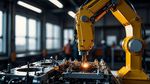
Automotive manufacturers use precision components to support assembly systems and production equipment.
Food processing facilities rely on machinery parts to maintain continuous operational performance.
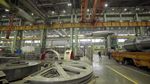
Construction material producers utilize heavy-duty components capable of handling demanding industrial conditions.
Packaging industries depend on reliable machinery systems to support high-volume production environments.
These applications demonstrate how machinery components contribute to modern manufacturing operations across diverse sectors.
Future Trends in Industrial Machinery Components
Industrial technology continues evolving through advances in automation, monitoring, and intelligent manufacturing systems.
Smart sensors are providing more detailed operational data that supports predictive maintenance strategies.
Digital monitoring technologies are helping manufacturers identify potential component issues before equipment failures occur.
Advanced materials are improving durability, reducing wear, and enhancing operational efficiency.
Artificial intelligence is also beginning to support maintenance planning and equipment performance optimization.
What really matters is how future machinery parts combine reliability, data intelligence, and operational efficiency to support increasingly advanced manufacturing systems.
FAQ
1. What are industrial machinery parts?
Industrial machinery parts are components that enable machines to perform movement, control, power transmission, and operational functions.
2. Why are machinery parts important in manufacturing?
They support equipment performance, production efficiency, reliability, and operational continuity.
3. What are common industrial machinery components?
Bearings, gears, motors, sensors, and structural components are widely used in manufacturing equipment.
4. How does maintenance affect machinery parts?
Regular maintenance helps identify wear, improve reliability, and reduce the risk of unexpected operational interruptions.
5. What technologies are influencing modern machinery components?
Smart sensors, advanced materials, predictive maintenance systems, and artificial intelligence are shaping future developments.
Conclusion
Industrial machinery parts form the foundation of modern manufacturing systems by supporting movement, power transmission, automation, and operational stability. Although individual components may appear small compared to the machines they support, their influence on productivity and equipment reliability is significant.
As manufacturing technologies continue advancing, machinery components are becoming smarter, more durable, and increasingly integrated with digital monitoring systems. Understanding the role of industrial machinery parts provides valuable insight into how modern production environments achieve efficiency, reliability, and long-term operational success.