Learn the Basics of Industrial Screws and Their Role in Manufacturing Processes
Modern manufacturing depends on thousands of individual components working together with precision and consistency. While advanced machinery, robotics, and production systems often receive the most attention, small fastening components play an equally important role in ensuring structural integrity and operational reliability.
Among these components, industrial screws are widely used across manufacturing environments because they provide secure connections, support assembly processes, and contribute to product durability. From automotive production lines to electronic equipment assembly, screws remain one of the most commonly used fastening solutions in industrial applications.
What really matters is not simply connecting two parts together. The selection, design, and application of industrial screws can influence production efficiency, maintenance requirements, product performance, and long-term reliability.
This guide explores the basics of industrial screws, explains how they function in manufacturing processes, examines key types and materials, and highlights their importance in modern industrial operations.
Understanding Industrial Screws
Industrial screws are threaded fastening components designed to join materials securely while allowing controlled assembly and disassembly when required.
Unlike permanent joining methods such as welding or adhesives, screws create mechanical connections that can often be adjusted, removed, or replaced during maintenance and repair procedures.
This matters because manufacturing environments frequently require components to be serviced, upgraded, or inspected throughout their operational lifecycle.
A practical example is industrial machinery where multiple assemblies must remain securely connected while still allowing future maintenance access.
How Industrial Screws Work
Industrial screws function through threaded engagement between the screw and the material or a matching threaded component.
As the screw rotates, its threads create clamping force that holds connected parts together. This process distributes load across the fastening area and helps maintain structural stability.
The effectiveness of this system depends on thread design, material compatibility, tightening force, and application requirements.
A real-world example is automated production equipment where screws secure machine covers, structural supports, and internal mechanical assemblies.
Why Industrial Screws Matter in Manufacturing
Industrial screws contribute directly to manufacturing quality, assembly efficiency, and product reliability.
They allow manufacturers to create secure connections without permanently altering components. This flexibility supports inspection, maintenance, and future modifications when necessary.
The real difference appears when production systems require both strength and adaptability. Fastening solutions that balance these requirements help improve operational efficiency throughout a product's lifecycle.
A practical example can be found in electronics manufacturing where small screws secure delicate components while still allowing repair and replacement access.
Common Types of Industrial Screws
Different manufacturing applications require different screw designs.
Machine Screws
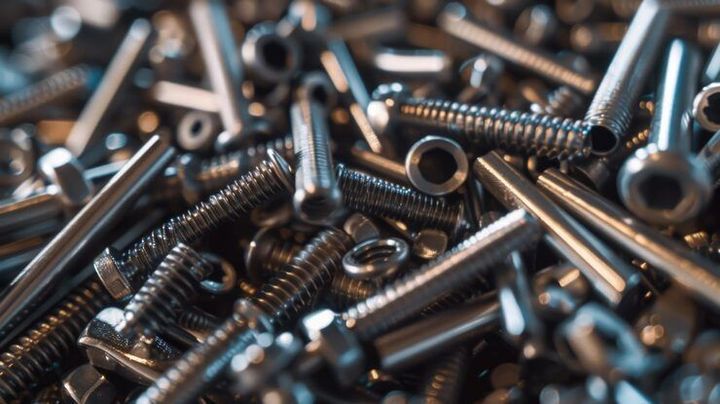
Machine screws are commonly used in equipment assembly, machinery, and electronic devices. They typically work with threaded holes or nuts to create secure connections.
Self-Tapping Screws
These screws create their own threads during installation. They are often used in sheet metal, plastics, and lightweight manufacturing applications.
Socket Head Screws
Socket head screws provide strong fastening performance and are frequently used in machinery, automation systems, and precision engineering environments.
Set Screws
Set screws secure components such as gears, pulleys, and rotating elements without requiring a traditional head design.
Each type serves a specific purpose depending on load requirements, accessibility, and assembly conditions.
Materials Used in Industrial Screws
Material selection plays a major role in screw performance and durability.
Steel remains one of the most widely used materials because it offers strength and versatility across many industrial environments.
Stainless steel is commonly selected where corrosion resistance is important.
Brass screws may be used in electrical applications due to their conductivity and corrosion-resistant properties.
Specialized alloys are also utilized in demanding industries where extreme temperatures, vibration, or chemical exposure are present.
A practical example is marine equipment manufacturing where corrosion-resistant fastening materials help improve long-term reliability.
Key Factors That Affect Screw Performance
The effectiveness of industrial screws depends on several interconnected factors.
Thread design influences load distribution and fastening stability.
Material strength affects durability under stress and operational demands.
Environmental conditions such as temperature, moisture, and vibration can influence long-term performance.
Installation accuracy also matters because improper tightening can reduce fastening effectiveness.
Important performance considerations include:
- Thread geometry and design
- Material compatibility
- Environmental resistance
- Installation precision
Together, these factors determine how well fastening systems perform within manufacturing environments.
Challenges in Industrial Fastening Applications
Despite their simplicity, industrial screws can present several operational challenges.
Over-tightening may damage components or reduce fastening effectiveness.
Under-tightening can lead to movement, vibration issues, and assembly instability.
Material mismatch may accelerate wear, corrosion, or structural degradation.
A real-world example is high-vibration industrial equipment where improper fastener selection may contribute to loosening over time.
Understanding these challenges helps manufacturers improve reliability and reduce maintenance concerns.
Industrial Screw Comparison: Where Differences Appear
| Factor | Standard Screws | Precision Industrial Screws |
|---|---|---|
| Application Scope | General Assembly | Specialized Manufacturing |
| Tolerance Levels | Standard | High Precision |
| Load Capacity | Moderate | Application Specific |
| Material Options | Common Materials | Advanced Alloys Available |
| Performance Requirements | Basic Fastening | Enhanced Reliability |
The real difference appears when manufacturing requirements become more specialized. Precision applications often demand tighter tolerances and higher-performance fastening solutions.
Decision Guide for Manufacturing Applications
Selecting industrial screws depends on several practical considerations.
Application environment is one important factor because temperature, moisture, and vibration affect fastening performance.
Load requirements also influence screw selection since different assemblies experience different mechanical stresses.
Material compatibility matters because fastening systems should perform consistently with connected components.
Maintenance expectations are another consideration because some applications require easier disassembly and servicing.
A practical example is automated manufacturing equipment where fastening solutions must balance strength, accessibility, and operational reliability.
The real difference appears when fastening performance aligns closely with production requirements rather than relying solely on general-purpose components.
Real-World Manufacturing Applications
Industrial screws support a wide range of manufacturing sectors.
Automotive manufacturers use screws throughout vehicle assembly systems.
Electronics producers rely on precision fasteners for device construction and internal component installation.
Industrial machinery manufacturers utilize screws for structural assembly and equipment maintenance access.
Aerospace production environments also depend on specialized fastening systems designed for demanding operational conditions.
A clear example is robotics manufacturing where precision screws help maintain alignment and structural consistency within automated systems.
Future Trends in Industrial Fastening
Manufacturing technology continues influencing fastening system development.
Advanced materials are improving strength-to-weight performance while supporting greater durability.
Smart manufacturing systems are increasing fastening precision through automated assembly equipment.
Digital quality control technologies are helping manufacturers monitor installation accuracy and fastening consistency more effectively.
What really matters is how fastening systems continue evolving alongside automation, advanced materials, and modern production requirements.
FAQ
1. What are industrial screws?
Industrial screws are threaded fastening components used to securely join materials in manufacturing and industrial applications.
2. Why are industrial screws important in manufacturing?
They provide reliable connections, support assembly processes, and allow maintenance access when required.
3. What materials are commonly used for industrial screws?
Steel, stainless steel, brass, and specialized industrial alloys are commonly used.
4. What affects industrial screw performance?
Thread design, material quality, environmental conditions, and installation accuracy all influence performance.
5. Which industries use industrial screws the most?
Automotive, electronics, aerospace, machinery, and robotics manufacturing industries rely heavily on industrial fastening systems.
Conclusion
Industrial screws may appear simple, but they play a critical role in manufacturing processes by supporting structural integrity, assembly efficiency, and product reliability. Their ability to create secure yet serviceable connections makes them indispensable across countless industrial applications.
As manufacturing technologies continue advancing, fastening systems are evolving alongside automation, precision engineering, and advanced materials. The future of industrial production may depend not only on larger technological innovations but also on how effectively small yet essential components like industrial screws contribute to performance, durability, and operational success.