Learn the Basics of Lip Pigmentation Treatment for Dark and Uneven Lips
Healthy-looking lips often contribute to overall facial appearance and self-confidence.
However, many people experience dark or uneven lip color due to a variety of lifestyle, environmental, and biological factors. While some pigmentation changes are temporary, others may persist over time, leading individuals to explore options for improving lip tone and texture. Understanding the fundamentals of lip pigmentation treatment helps individuals make informed decisions and set realistic expectations.
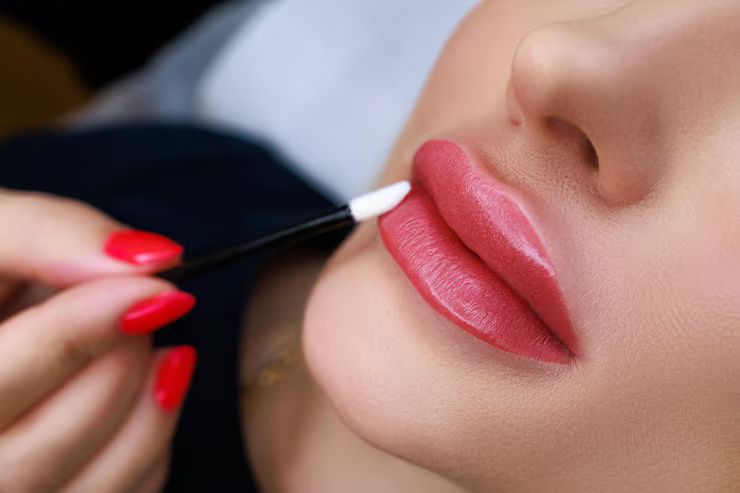
Lip pigmentation can affect people of all skin tones and age groups. Increased awareness of cosmetic dermatology has also made professional treatments and supportive skincare routines more accessible. At the same time, understanding the causes of pigmentation remains just as important as learning about available procedures. A comprehensive lip pigmentation treatment guide explains both the condition and the treatment approaches commonly used to manage it.
This article explores the causes of lip pigmentation, available treatment methods, practical considerations, aftercare, and factors that may influence treatment decisions.
Understanding Lip Pigmentation
Lip pigmentation refers to changes in the natural color of the lips caused by variations in melanin production or external influences. While some people naturally have darker lips due to genetics, others develop uneven pigmentation gradually because of environmental exposure, lifestyle habits, or medical factors.
Pigmentation may appear as overall darkening, patchy discoloration, or uneven lip tone. In many situations, identifying the underlying cause helps determine the most appropriate treatment approach.
For example, someone who develops pigmentation after prolonged sun exposure may require a different management strategy than someone with pigmentation linked to smoking or certain medications.
Common Causes of Dark and Uneven Lips
Several factors can contribute to lip discoloration.
Sun Exposure
Ultraviolet (UV) radiation can stimulate melanin production, causing lips to become darker over time. Unlike other areas of the skin, lips have relatively limited natural protection from sunlight.
Smoking
Tobacco use is commonly associated with gradual lip darkening. Heat, nicotine, and repeated exposure to smoke may contribute to pigmentation changes over time.
Dehydration and Dryness
Chronic dryness may make lips appear dull, rough, and uneven. While dehydration does not directly increase melanin production, it can affect the overall appearance of lip color.
Allergic Reactions
Some cosmetics, lip products, or dental materials may trigger irritation that leads to post-inflammatory pigmentation after repeated exposure.
Hormonal and Medical Factors
Hormonal fluctuations, certain medications, nutritional deficiencies, and some medical conditions may also influence lip pigmentation. Persistent or unexplained changes should be evaluated by a qualified healthcare professional.
How Lip Pigmentation Treatment Works
The goal of lip pigmentation treatment is to reduce excess pigmentation while supporting healthier-looking lips. The most suitable approach depends on the underlying cause, skin characteristics, and individual treatment goals.
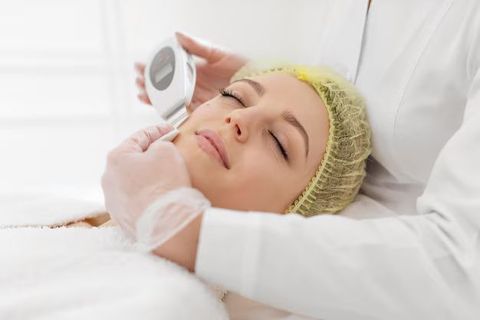
Many treatments work by reducing melanin concentration, encouraging skin renewal, or improving overall lip appearance. Because lip tissue is delicate, treatments are generally performed carefully to minimize irritation while promoting gradual improvement.
Results often develop over multiple sessions rather than immediately, and treatment plans may vary depending on the degree of pigmentation.
Common Treatment Options
Topical Treatments
Dermatologists may recommend topical products containing ingredients that support skin renewal or help reduce pigmentation. These products are often combined with daily lip protection and hydration.
Chemical Peels
Specialized superficial chemical peels designed for delicate skin may help remove pigmented surface cells and encourage regeneration. Multiple sessions are sometimes recommended depending on individual response.
Laser Treatment
Laser procedures target excess pigment using controlled light energy. They are commonly considered for individuals with more persistent pigmentation that has not responded adequately to conservative measures.
Lip Micropigmentation
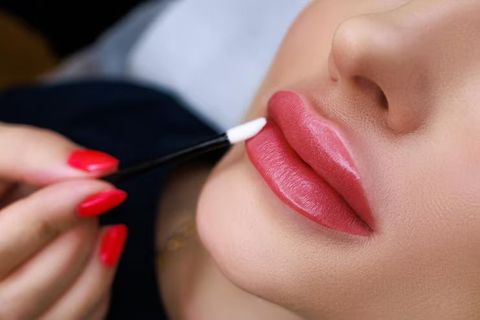
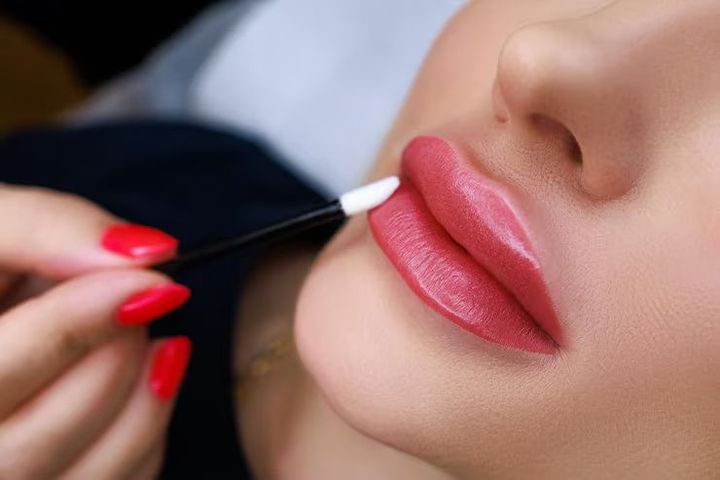
In selected cosmetic situations, lip blush or micropigmentation procedures enhance lip color by depositing cosmetic pigment into the skin. Unlike pigmentation reduction treatments, this approach focuses primarily on improving color appearance.
The appropriate treatment depends on professional assessment and the specific cause of discoloration.
Benefits of Lip Pigmentation Treatment
Many individuals explore treatment because they wish to achieve a more even lip tone rather than dramatically changing their natural appearance.
Potential benefits may include:
- Improved overall lip color consistency
- Reduction in visible dark patches
- Enhanced confidence in personal appearance
- Better response to lip care products
- Healthier-looking lip texture when combined with proper hydration
Results vary depending on skin type, underlying causes, treatment method, and adherence to aftercare recommendations.
Aftercare and Maintaining Results
Proper aftercare plays an important role in supporting recovery and maintaining treatment outcomes.
Keeping lips moisturized helps protect the healing skin barrier. Daily use of lip products containing sun protection may reduce future pigmentation caused by ultraviolet exposure.
Individuals are often advised to avoid picking at peeling skin, smoking during healing when possible, and using irritating cosmetic products until recovery is complete.
Long-term maintenance typically involves consistent lip hydration, sun protection, and minimizing avoidable risk factors that contribute to pigmentation.
Decision Guide: Choosing a Treatment Approach
Selecting the best lip pigmentation treatment depends on several individual factors rather than a single universal solution.
Someone with mild pigmentation related to dryness may respond well to improved skincare and topical management, while persistent pigmentation associated with long-term sun exposure or smoking may require more advanced dermatological procedures.
The lip pigmentation treatment comparison between topical products, chemical peels, and laser procedures generally involves balancing effectiveness, recovery time, treatment sessions, and expected outcomes.
In many cases, conservative approaches tend to work well for mild pigmentation, whereas professional procedures may be considered when discoloration is deeper or long-standing.
The real difference appears when treatment addresses both the visible pigmentation and the underlying contributing factors, helping improve the likelihood of maintaining results over time.
Real-World Examples
People pursue lip pigmentation treatment for a variety of reasons.
An office professional with years of sun exposure may seek treatment after noticing uneven lip darkening despite using moisturizing products.
A former smoker may explore professional options to improve lip appearance after successfully quitting tobacco.
Individuals preparing for weddings, public-facing careers, or media appearances sometimes prioritize cosmetic improvements while maintaining a natural-looking appearance.
These examples illustrate how treatment goals often extend beyond aesthetics to include confidence and overall skin health.
Emerging Trends in Lip Pigmentation Care
Advances in cosmetic dermatology continue improving treatment precision and patient experience.
Modern laser technologies allow more targeted pigment reduction while minimizing damage to surrounding tissue. Combination therapies that integrate topical skincare with professional procedures are becoming increasingly common.
There is also growing interest in preventive care through daily sun protection, antioxidant-based lip products, and personalized skincare plans tailored to individual skin characteristics.
As research continues, treatment approaches are expected to become even more customized based on skin type, pigmentation patterns, and lifestyle factors.
Frequently Asked Questions
1. What causes dark lip pigmentation?
Common causes include sun exposure, smoking, dehydration, allergic reactions, hormonal changes, certain medications, and natural genetic pigmentation.
2. Is lip pigmentation treatment permanent?
Results depend on the underlying cause and the treatment used. Continued sun protection, healthy lifestyle habits, and proper lip care often help maintain improvements.
3. Which treatment is commonly used for dark lips?
Topical therapies, chemical peels, laser treatments, and other dermatologist-recommended procedures may be considered depending on the individual's condition.
4. How many treatment sessions are usually needed?
The number of sessions varies based on pigmentation severity, treatment method, and individual response. Some people notice gradual improvement after several appointments.
5. Can lip pigmentation return after treatment?
Yes. Ongoing sun exposure, smoking, certain medical conditions, or inadequate lip care may contribute to the recurrence of pigmentation in some individuals.
Conclusion
Understanding lip pigmentation treatment begins with recognizing the factors that contribute to dark or uneven lips and learning how different treatment approaches address those causes. Whether pigmentation is related to sun exposure, lifestyle habits, or other underlying factors, a personalized approach guided by a qualified professional often provides the most effective path forward. A well-informed lip pigmentation treatment guide emphasizes realistic expectations, appropriate aftercare, and preventive habits that support healthier-looking lips over the long term while encouraging informed decisions about cosmetic and skin health.