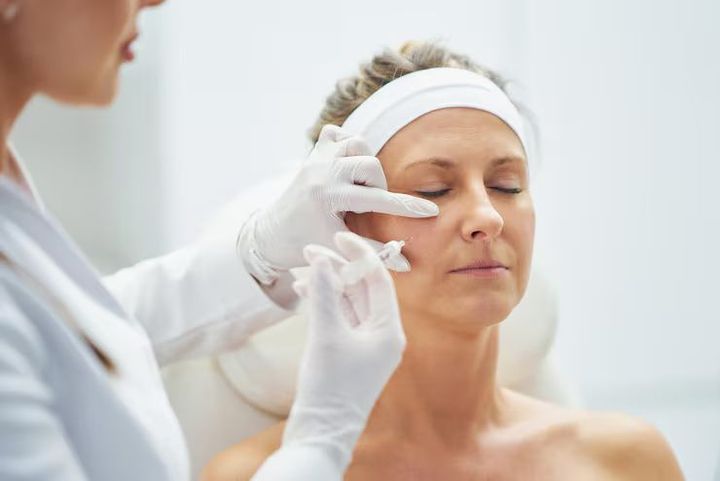
Wrinkle Treatment Guide to Understanding Modern Skin Rejuvenation Methods
Healthy skin naturally changes over time. As people age, the skin gradually loses collagen, elastin, and moisture, making fine lines and wrinkles more noticeable.
Environmental exposure, lifestyle habits, genetics, and daily skincare routines also influence how quickly these changes appear. While wrinkles are a normal part of aging, advances in dermatology and cosmetic medicine have introduced a wide range of wrinkle treatment options designed to support healthier-looking skin.
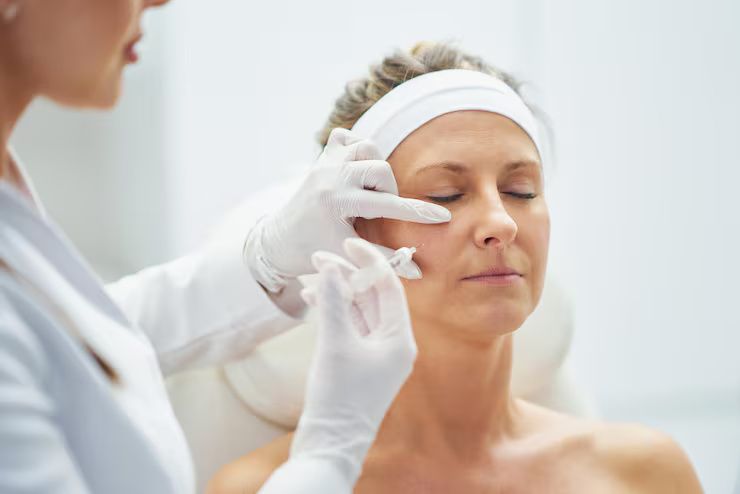
Modern skin rejuvenation focuses on improving skin texture, tone, elasticity, and overall appearance rather than completely stopping the aging process. Today's treatments range from simple skincare routines to minimally invasive procedures, allowing individuals to choose approaches that align with their skin type, concerns, and personal goals.
This guide explains what causes wrinkles, explores today's facial rejuvenation methods, and highlights factors to consider when learning about wrinkle reduction techniques.
Understanding How Wrinkles Develop
Wrinkles form through a combination of natural biological changes and external influences.
As skin ages, the production of collagen and elastin gradually slows. These proteins help maintain firmness and flexibility. Reduced natural oil production can also make skin appear drier, allowing fine lines to become more visible.
Several additional factors contribute to wrinkle development:
- Natural aging
- Sun exposure
- Repeated facial expressions
- Smoking
- Air pollution
- Poor hydration
- Lack of sleep
- Nutritional habits
- Stress
- Genetic factors
Because multiple influences affect skin aging, wrinkle treatment often combines several approaches instead of relying on a single solution.
What Is Wrinkle Treatment?
Wrinkle treatment refers to various skincare practices, medical procedures, and cosmetic techniques designed to reduce the appearance of fine lines, wrinkles, and age-related skin changes.
Some treatments focus on improving skin hydration and texture, while others stimulate collagen production or temporarily relax facial muscles responsible for expression lines.
The goal is generally to achieve smoother, healthier-looking skin while maintaining natural facial movement and appearance.
Treatment recommendations vary depending on:
- Age
- Skin condition
- Wrinkle depth
- Skin sensitivity
- Medical history
- Personal preferences
- Desired outcomes
A qualified healthcare professional or dermatologist can evaluate these factors before recommending an appropriate treatment plan.
Types of Wrinkles
Understanding different wrinkle types helps explain why treatment methods vary.
Dynamic Wrinkles
Dynamic wrinkles develop from repeated facial movements such as smiling, frowning, or squinting. These lines are often most noticeable during facial expressions.
Static Wrinkles
Static wrinkles remain visible even when the face is relaxed. They typically develop as collagen decreases and skin loses elasticity over time.
Fine Surface Lines
These shallow lines commonly appear due to dehydration, environmental exposure, or early skin aging. They may respond well to consistent skincare and hydration.
Each wrinkle type may require a different approach for effective wrinkle reduction.
Skin Rejuvenation: A Comprehensive Approach
Skin rejuvenation refers to methods that improve the overall condition of the skin rather than focusing only on individual wrinkles.
Modern skin rejuvenation may aim to:
- Improve skin texture
- Enhance hydration
- Promote collagen production
- Even skin tone
- Reduce pigmentation concerns
- Improve elasticity
- Minimize fine lines
- Support healthy skin renewal
Many people combine skincare routines with professional treatments to achieve gradual, natural-looking improvements.
Common Wrinkle Treatment Methods
Several wrinkle treatment options are available today. Each works differently and may be suitable for different skin concerns.
Topical Skincare Products
Daily skincare remains the foundation of long-term skin health.
Products commonly focus on:
- Moisturizing
- Supporting skin barrier function
- Encouraging gentle skin renewal
- Protecting against environmental damage
Consistent skincare often complements professional facial rejuvenation procedures.
Chemical Peels
Chemical peels use carefully formulated solutions to remove damaged outer skin layers, encouraging new skin growth and improving overall texture.
Different peel strengths are available depending on individual skin needs and professional assessment.
Microneedling
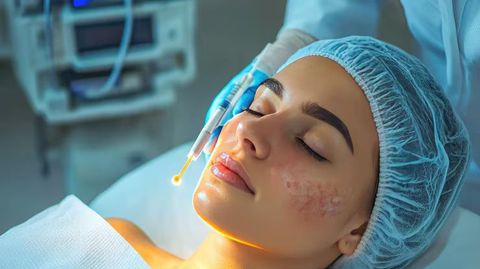
Microneedling creates controlled microscopic skin channels that stimulate the body's natural healing response and collagen production.
This technique is commonly used to improve fine lines, skin texture, and overall skin quality.
Laser Skin Rejuvenation
Laser technologies use focused light energy to improve skin appearance by stimulating collagen remodeling and supporting skin renewal.
Different laser systems are designed for varying skin concerns, making professional evaluation important before treatment.
Radiofrequency and Ultrasound Technologies
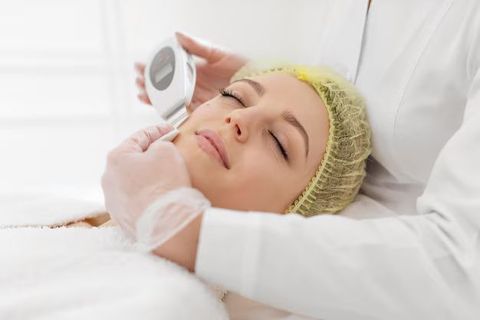
These non-surgical techniques deliver controlled energy beneath the skin surface to encourage collagen production and gradual skin tightening.
Results often develop progressively over several weeks or months.
Understanding Botox Treatment
Botox treatment is one of the most widely recognized options for reducing dynamic facial wrinkles.
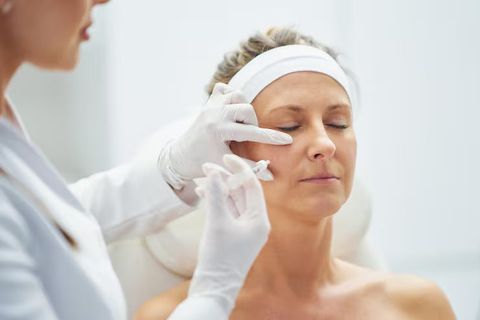
Botox works by temporarily relaxing specific facial muscles responsible for repeated expressions that contribute to wrinkle formation. By reducing muscle activity in targeted areas, the appearance of expression lines may become less noticeable.
Common treatment areas include:
- Forehead lines
- Frown lines between the eyebrows
- Crow's feet around the eyes
Botox treatment is typically performed by qualified medical professionals following an individual assessment.
Because results are temporary, ongoing evaluation may be required to maintain the desired appearance. Treatment suitability depends on factors such as overall health, medical history, and individual facial anatomy.
Comparing Popular Skin Rejuvenation Methods
| Treatment Method | Primary Focus | Typical Skin Concern |
|---|---|---|
| Daily Skincare | Skin health and hydration | Early fine lines |
| Chemical Peels | Surface skin renewal | Uneven texture and pigmentation |
| Microneedling | Collagen stimulation | Fine lines and mild wrinkles |
| Laser Treatments | Skin resurfacing and collagen remodeling | Wrinkles, texture, pigmentation |
| Radiofrequency | Skin tightening | Mild skin laxity |
| Botox Treatment | Temporary muscle relaxation | Dynamic expression lines |
Each approach serves a different purpose, and some individuals may benefit from combining multiple methods under professional guidance.
Lifestyle Habits That Support Wrinkle Reduction
Professional treatments are only one part of maintaining healthy skin.
Daily habits also influence long-term skin appearance.
Helpful practices include:
- Applying sunscreen consistently
- Staying hydrated
- Eating a balanced diet
- Getting adequate sleep
- Managing stress
- Avoiding smoking
- Limiting excessive sun exposure
- Following a consistent skincare routine
- Using gentle cleansing products
Healthy lifestyle choices support skin function and may complement professional wrinkle treatment plans.
Factors to Consider Before Choosing Treatment
No single wrinkle treatment is appropriate for everyone.
Important considerations include:
Skin Type
Different skin types respond differently to various rejuvenation techniques.
Treatment Goals
Some people prioritize subtle improvements, while others focus on addressing deeper wrinkles or improving overall skin quality.
Recovery Time
Certain procedures require little or no recovery, while others involve temporary redness or skin healing.
Professional Evaluation
A qualified dermatologist or licensed healthcare provider can recommend suitable options based on skin condition, medical history, and expectations.
Long-Term Maintenance
Many skin rejuvenation methods require consistent skincare and periodic follow-up treatments to maintain results.
Common Misconceptions About Wrinkle Treatment
Several misunderstandings often surround skin rejuvenation.
One common misconception is that wrinkles can be permanently eliminated. In reality, most treatments improve their appearance rather than completely removing them.
Another misconception is that only older adults benefit from skincare. Preventive skin care and sun protection may help maintain healthier skin at many ages.
Some people also assume stronger treatments always produce better outcomes. In practice, personalized treatment plans often provide more balanced and natural-looking results.
Understanding realistic expectations helps individuals make informed decisions about facial rejuvenation.
Future Trends in Skin Rejuvenation
Dermatology and cosmetic medicine continue to evolve with new technologies and research.
Emerging areas of interest include:
- Personalized skincare recommendations
- Artificial intelligence-assisted skin analysis
- Advanced collagen stimulation techniques
- Combination treatment approaches
- Regenerative skin therapies
- Improved laser technologies
- Enhanced non-invasive procedures
- Precision dermatology
Future developments are expected to focus on achieving natural-looking improvements while minimizing recovery time and supporting overall skin health.
Frequently Asked Questions
What causes wrinkles to develop?
Wrinkles develop through a combination of natural aging, collagen loss, repeated facial expressions, sun exposure, genetics, lifestyle habits, and environmental factors.
What is the difference between wrinkle treatment and skin rejuvenation?
Wrinkle treatment focuses primarily on reducing visible lines, while skin rejuvenation aims to improve overall skin texture, tone, elasticity, and appearance.
Is Botox treatment only used for cosmetic purposes?
Botox treatment is commonly used to reduce dynamic facial wrinkles, although healthcare professionals may also use it for certain medical conditions unrelated to cosmetic appearance.
Can lifestyle habits improve wrinkle reduction?
Healthy habits such as sun protection, hydration, balanced nutrition, quality sleep, and consistent skincare can support healthier skin and complement professional treatments.
How do I know which wrinkle treatment is suitable?
The most appropriate treatment depends on skin type, wrinkle severity, medical history, treatment goals, and professional evaluation by a qualified dermatologist or healthcare provider.
Conclusion
Wrinkles are a natural part of the skin's aging process, but modern wrinkle treatment options provide many ways to support healthier, smoother-looking skin. From daily skincare and skin rejuvenation techniques to advanced procedures such as laser therapies, microneedling, and Botox treatment, today's facial rejuvenation methods offer a broad range of approaches tailored to different skin concerns.
Understanding how wrinkles develop, maintaining realistic expectations, and adopting healthy lifestyle habits are essential parts of any wrinkle reduction journey. By combining informed skincare practices with professional guidance when appropriate, individuals can make thoughtful decisions that promote long-term skin health while preserving a natural and balanced appearance.