Medical Equipment Basics Explained for Healthcare Professionals and Beginners
Modern healthcare depends on reliable technology that supports accurate diagnosis, effective treatment, patient monitoring, and clinical decision-making.
Among the most important resources in hospitals, clinics, laboratories, and emergency care settings is medical equipment. From simple examination tools to advanced imaging systems, medical equipment enables healthcare professionals to deliver efficient and high-quality patient care while improving safety and operational accuracy.
As healthcare technology continues advancing, medical equipment has become more precise, connected, and specialized for a wide range of clinical applications. Understanding the purpose, functions, and categories of medical devices helps healthcare professionals, students, caregivers, and beginners develop a stronger understanding of today's medical environment. This medical equipment guide explores essential healthcare devices, diagnostic technologies, patient monitoring systems, practical applications, selection considerations, and emerging trends shaping modern healthcare.
This article explains medical equipment fundamentals, major equipment categories, healthcare applications, operational considerations, decision-making factors, and future innovations in medical technology.
What Is Medical Equipment?
Medical equipment refers to devices, instruments, machines, and systems designed to assist healthcare professionals in diagnosing, monitoring, treating, and supporting patients across different medical settings.
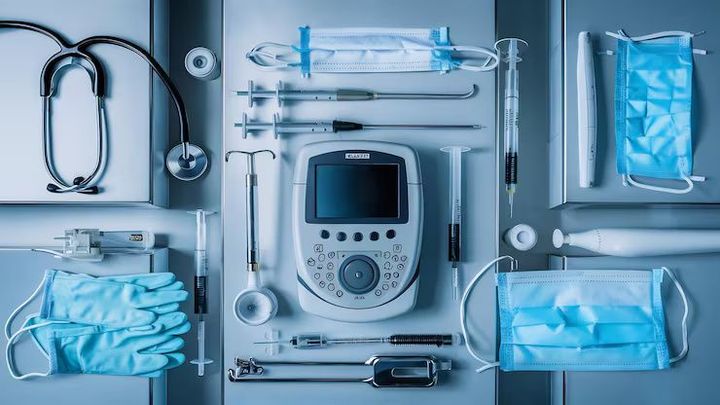
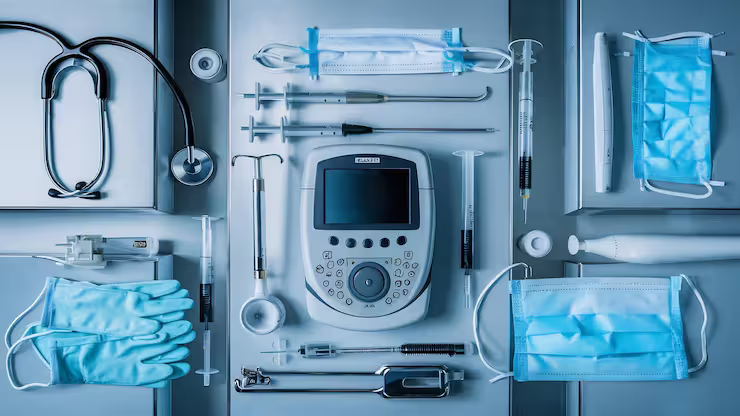
Medical equipment ranges from basic examination instruments such as stethoscopes and blood pressure monitors to highly advanced technologies including magnetic resonance imaging systems, ultrasound equipment, patient monitoring systems, and surgical devices.
These tools help improve diagnostic accuracy, clinical efficiency, patient safety, and overall healthcare delivery.
Healthcare facilities rely on carefully maintained equipment to support both routine medical care and specialized clinical procedures.
Major Categories of Medical Equipment
Medical equipment can be grouped into several important categories based on its primary function.
Diagnostic Equipment
Diagnostic devices help healthcare professionals identify medical conditions through examination and testing.
Examples include ultrasound systems, X-ray equipment, electrocardiogram (ECG) machines, endoscopy systems, and laboratory analyzers.
These technologies support accurate clinical assessment and treatment planning.
Patient Monitoring Equipment
Monitoring equipment continuously measures important physiological parameters such as heart rate, blood pressure, oxygen saturation, respiratory rate, and body temperature.
Patient monitors are commonly used in hospitals, intensive care units, emergency departments, and surgical settings.
Therapeutic Equipment
Therapeutic devices assist in delivering treatment or supporting patient recovery.
Examples include infusion pumps, ventilators, dialysis systems, defibrillators, and physical rehabilitation equipment.
These devices play a critical role in patient care across many medical specialties.
Surgical Equipment
Surgical equipment includes operating tables, surgical lights, electrosurgical units, anesthesia machines, sterilization systems, and specialized surgical instruments used during medical procedures.
Why Medical Equipment Matters
Medical equipment directly supports clinical decision-making and patient care.
Accurate diagnostic tools help identify health conditions more efficiently, enabling timely treatment planning.
Reliable monitoring systems allow healthcare professionals to observe patient conditions continuously and respond promptly to significant changes.
Specialized treatment equipment supports complex medical procedures while improving precision and consistency.
Well-maintained equipment also contributes to patient safety, operational efficiency, and regulatory compliance within healthcare facilities.
These benefits make medical equipment an essential component of modern healthcare systems.
Common Healthcare Applications
Medical equipment is used across virtually every area of healthcare.
Hospitals rely on advanced imaging systems, monitoring equipment, laboratory analyzers, and surgical technologies for comprehensive patient care.
Primary care clinics use examination tools, diagnostic devices, and point-of-care testing equipment for routine evaluations.
Emergency medical services depend on portable monitors, defibrillators, ventilators, and transport equipment during urgent care situations.
Laboratories utilize automated analyzers for diagnostic testing and sample processing.
Rehabilitation centers employ therapeutic devices that support physical recovery and mobility improvement.
These applications demonstrate the broad role of medical equipment throughout healthcare.
Equipment Maintenance and Safety
Proper maintenance is essential for reliable equipment performance.
Routine inspection, calibration, preventive maintenance, and functional testing help ensure devices continue operating accurately.
Healthcare facilities often follow scheduled maintenance programs to reduce unexpected equipment failures.
Cleaning and sterilization procedures support infection prevention while protecting both patients and healthcare professionals.
Staff training also contributes to safe equipment operation by promoting proper usage techniques and awareness of manufacturer guidelines.
Effective maintenance extends equipment lifespan while supporting consistent clinical performance.
Decision Guide: Choosing Medical Equipment
Selecting the best medical equipment depends on clinical requirements, intended applications, patient population, accuracy, reliability, ease of operation, maintenance needs, and compatibility with existing healthcare systems.
Smaller healthcare facilities may prioritize versatile diagnostic equipment capable of supporting multiple clinical functions, while larger hospitals often require specialized systems designed for advanced medical procedures and continuous patient monitoring. Educational institutions may also emphasize equipment that supports both training and practical clinical experience.
A medical equipment comparison generally evaluates performance accuracy, durability, safety features, regulatory compliance, maintenance requirements, digital integration, user interface, and long-term operational efficiency.
In many cases, equipment that balances reliability with ease of operation tends to work well because it supports consistent clinical workflows while reducing training complexity.
The real difference appears when medical equipment aligns closely with patient care objectives, healthcare facility requirements, and evolving clinical practices.
Emerging Trends in Medical Equipment
Healthcare technology continues advancing rapidly.
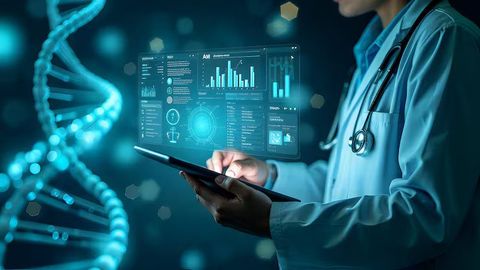
Artificial intelligence is increasingly assisting diagnostic imaging, clinical decision support, and predictive analytics.
Connected medical devices now support real-time data sharing between equipment and electronic health record systems, improving clinical coordination.
Portable and wearable monitoring technologies allow continuous observation of patient health in both clinical and home settings.
Robotic-assisted surgical systems continue improving procedural precision across various medical specialties.
Manufacturers are also emphasizing cybersecurity, interoperability, energy efficiency, and environmentally responsible equipment design.
These innovations continue transforming the capabilities of modern medical equipment.
Frequently Asked Questions
1. What is medical equipment?
Medical equipment includes devices and systems used to diagnose, monitor, treat, and support patients in healthcare settings.
2. What are the main categories of medical equipment?
Major categories include diagnostic equipment, patient monitoring systems, therapeutic devices, and surgical equipment.
3. Why is medical equipment important?
Medical equipment improves diagnostic accuracy, supports patient monitoring, enhances treatment effectiveness, and contributes to safer healthcare delivery.
4. How is medical equipment maintained?
Routine inspection, calibration, preventive maintenance, cleaning, sterilization, and staff training help maintain reliable equipment performance.
5. What factors should be considered when selecting medical equipment?
Clinical requirements, performance accuracy, safety features, maintenance, reliability, digital compatibility, regulatory compliance, and intended healthcare applications should all be evaluated.
Conclusion
Medical equipment forms the technological foundation of modern healthcare by supporting accurate diagnosis, continuous patient monitoring, effective treatment, and safe clinical practice. Understanding the major categories of medical devices, their applications, maintenance requirements, and operational considerations helps both healthcare professionals and beginners appreciate their importance in everyday patient care. This comprehensive medical equipment guide highlights how thoughtful equipment selection and proper maintenance contribute to efficient healthcare delivery and improved clinical outcomes. As healthcare technology continues evolving, medical equipment will remain central to advancing patient care, clinical innovation, and healthcare efficiency.