Learning About Farming Machinery: Key Agricultural Knowledge
Farming machinery refers to mechanical equipment used in agricultural activities such as soil preparation, planting, irrigation, crop protection, and harvesting. These machines exist to support food production by improving efficiency, precision, and consistency in farming operations.
Historically, agriculture depended on manual labor and animal power for tasks like plowing and harvesting. As food demand increased and farm sizes expanded, mechanical solutions became necessary to improve productivity and efficiency.
Today, farming machinery includes a wide range of equipment, from simple tools to advanced automated systems integrated with digital technologies. These machines support agricultural engineering and precision farming practices across farms of all sizes.
Why Farming Machinery Matters Today
Farming machinery plays a vital role in modern agriculture by supporting food production, efficiency, and sustainability. It directly impacts farmers, agricultural workers, and the broader food supply chain.
Key Reasons This Topic Matters
- Increased food demand: Supports growing global population needs
- Labor reduction: Reduces dependence on manual workforce
- Time efficiency: Enables faster operations within seasonal windows
- Precision farming: Improves accuracy in planting and resource use
- Crop consistency: Enhances yield quality and reliability
These benefits make farming machinery essential for stable agricultural output and rural economic development.
Recent Developments and Trends (2024–2025)
Farming machinery has evolved significantly with the integration of digital tools and sustainability-focused innovations. These advancements improve efficiency and environmental performance.
Key Trends Overview
| Trend | Description | Impact |
|---|---|---|
| Precision agriculture tools | GPS-enabled tractors and sensor-based equipment | Improves accuracy and reduces waste |
| Smart machinery | Real-time data tracking and automation | Enhances decision-making |
| Electric equipment | Low-emission machinery | Supports environmental goals |
| Robotics and automation | Automated planting and harvesting | Reduces manual effort |
| Software integration | Compatibility with farm management systems | Improves planning and monitoring |
These trends highlight the shift toward smarter and more sustainable agricultural practices.
Laws and Policies Affecting Farming Machinery
Farming machinery is influenced by agricultural policies, safety standards, and environmental regulations. These frameworks aim to improve productivity while ensuring safe and responsible use.
Key Regulatory Areas
- Mechanization programs: Promote adoption of farming equipment
- Safety standards: Ensure proper operation and operator protection
- Environmental regulations: Address emissions and resource efficiency
- Government support schemes: Help farmers access modern machinery
These policies encourage sustainable mechanization and responsible farming practices.
Tools and Resources for Understanding Farming Machinery
Various tools and educational resources help farmers and learners understand agricultural machinery and its applications.
Useful Tools and References
- Equipment guides: Explain machine types and uses
- Farm calculators: Estimate field coverage and fuel usage
- Government portals: Provide policy updates and guidelines
- Precision farming software: Support data-driven agriculture
- Training manuals: Ensure safe and efficient operation
Common Types of Farming Machinery
| Machinery Type | Primary Function | Typical Application |
|---|---|---|
| Tractor | Power source | Tillage, hauling, planting |
| Seed drill | Seed placement | Uniform crop sowing |
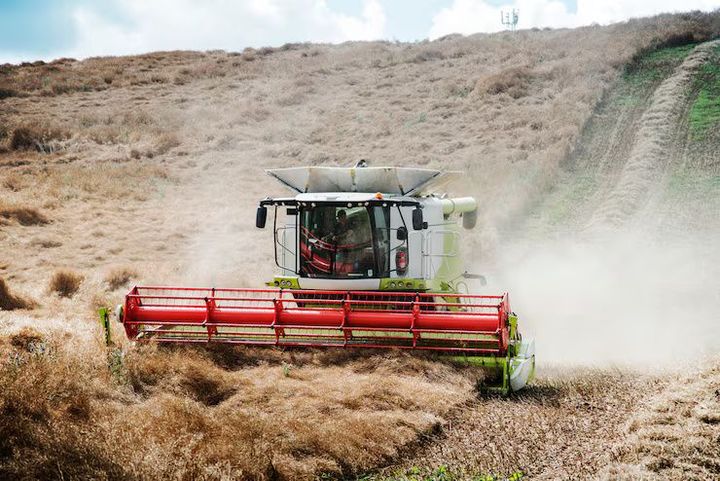
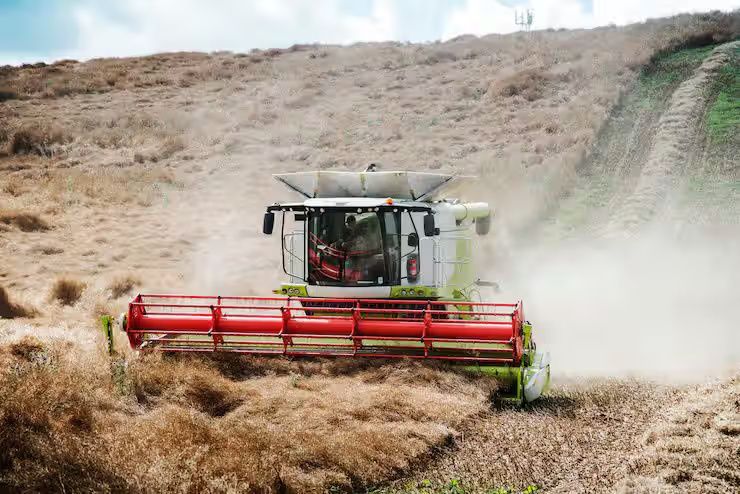
| Combine harvester | Harvesting | Grain cutting and separation |
| Irrigation system | Water distribution | Crop hydration |
| Sprayer | Crop protection | Fertilization and pest control |
Mechanization Benefits by Activity
| Activity | Manual Effort | Mechanized Support |
|---|---|---|
| Land preparation | High | Reduced |
| Planting | Moderate | Precise |
| Harvesting | Very high | Efficient |
| Irrigation | Time-intensive | Automated |
These tools and systems help improve agricultural productivity and efficiency.
Frequently Asked Questions
What Is Farming Machinery?
It includes mechanical equipment used for agricultural tasks such as plowing, planting, irrigation, and harvesting.
Why Is It Important?
It improves efficiency, reduces labor requirements, and supports consistent crop production.
How Does It Support Sustainability?
Precision equipment reduces resource waste and supports better soil and crop management.
Is It Only for Large Farms?
No, machinery is available in different sizes suitable for small, medium, and large farms.
What Skills Are Needed?
Basic mechanical understanding, training, and adherence to safety guidelines are important.
Conclusion
Farming machinery is a key component of modern agriculture, enabling efficient and scalable food production. It helps farmers manage land, crops, and resources more effectively.
As agricultural challenges evolve, machinery continues to advance through innovation and policy support. Understanding its role provides valuable insight into how technology shapes the future of farming and global food systems.

You May Also Like