Low-Cost Camping Adventures Guide: Smart Ways to Plan Budget-Friendly Outdoor Trips
Low-cost camping adventures refer to outdoor travel experiences that focus on simplicity, minimal equipment, and affordable planning. Camping has long been a popular way for people to connect with nature, explore landscapes, and enjoy outdoor recreation. Traditionally, camping required basic tools such as tents, sleeping bags, and cooking equipment, making it one of the most accessible forms of travel.
In recent years, low-cost camping has gained popularity as travelers look for affordable alternatives to traditional tourism. Instead of expensive hotels or complex itineraries, many people prefer simple trips in natural environments such as forests, mountains, lakes, and national parks.
Camping includes a variety of styles that focus on outdoor living and practical travel planning:
- Tent camping in designated campsites
- Backpacking with lightweight gear
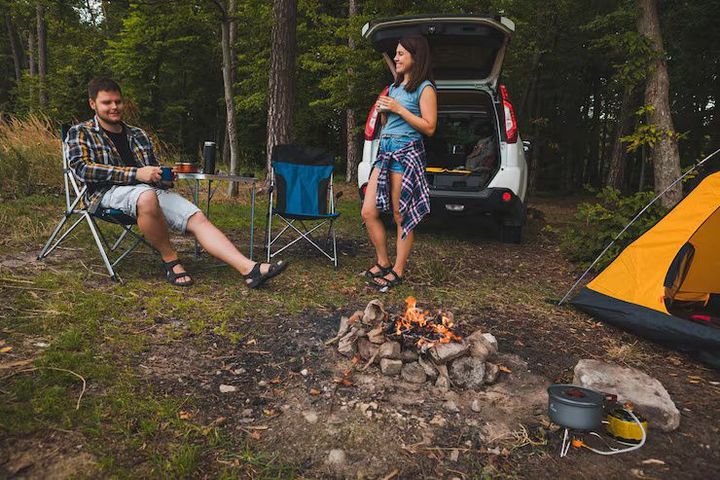
- Car camping near vehicles
- Minimalist camping with essential equipment
These experiences emphasize affordability, environmental awareness, and connection with nature.
Why Low-Cost Camping Adventures Matter Today
Camping has become increasingly relevant due to rising travel costs and growing interest in outdoor recreation. It offers a balance between affordability, relaxation, and physical activity.
Different groups benefit from low-cost camping adventures:
- Students and budget travelers
- Families seeking outdoor learning experiences
- Remote workers exploring nature-based lifestyles
- Adventure enthusiasts interested in hiking and trekking
Budget Travel Planning
Camping reduces the need for expensive accommodations. Travelers can manage costs more effectively while still enjoying meaningful experiences.
Outdoor Recreation and Wellness
Spending time outdoors supports physical health through activities like hiking and swimming. It also contributes to mental wellbeing by providing a break from urban environments.
Sustainable Tourism
Camping promotes eco-friendly travel practices:
- Reduced reliance on large infrastructure
- Lower environmental impact
- Increased awareness of conservation
Remote Work and Travel Trends
Flexible work arrangements have encouraged more people to explore long-term outdoor stays. Camping provides an adaptable solution for combining work and travel.
Recent Developments in Camping and Outdoor Travel
Camping culture has evolved with changing travel behaviors and technological advancements.
Key Trends in 2024–2025
- Growth in global outdoor recreation participation
- Increased use of mobile apps for trip planning
- Higher visitation to national parks and protected areas
- Expansion of sustainable camping practices
- Innovation in lightweight and portable camping gear
Digital Camping Tools
Modern campers rely on apps and platforms to plan trips efficiently. These tools help locate:
- Campsites and park locations
- Hiking and trekking routes
- Weather forecasts and safety alerts
Sustainable Camping Practices
Environmental awareness has led to the adoption of responsible camping methods:
- Following “Leave No Trace” principles
- Reducing plastic and waste
- Protecting wildlife habitats
Lightweight Gear Innovations
New equipment designs support minimalist travel:
- Compact tents
- Portable cooking systems
- Solar-powered chargers
These innovations make camping more accessible and convenient.
Camping Regulations and Outdoor Policies
Camping activities are regulated to protect ecosystems and ensure visitor safety. Rules vary depending on location and governing authorities.
Common Camping Regulations
- Camping only in designated areas
- Restrictions on campfires
- Waste disposal requirements
- Seasonal limitations during wildfire risks
Environmental Protection Laws
Many countries enforce laws to preserve natural environments:
- Prohibiting littering
- Protecting endangered species
- Preventing habitat disruption
Permit Systems
Some areas require permits for overnight stays, especially in remote or high-traffic locations. These systems help manage visitor numbers and reduce environmental impact.
Policy Overview
| Policy Area | Purpose | Example Guidelines |
|---|---|---|
| Campsite Regulation | Protect natural areas | Camping in designated zones only |
| Fire Management | Reduce wildfire risk | Controlled fire usage |
| Wildlife Protection | Preserve ecosystems | No feeding wildlife |
| Waste Management | Maintain cleanliness | Carry-out waste policy |
Reviewing local regulations is essential before planning a camping trip.
Tools and Resources for Camping Planning
Digital tools and resources help improve safety and organization during camping trips.
Mapping and Navigation Tools
- Google Maps
- AllTrails
- Gaia GPS
These tools assist with route planning and campsite discovery.
Weather Forecasting Platforms
- AccuWeather
- Windy
- Weather Underground
They provide forecasts, alerts, and environmental conditions.
Camping Preparation Checklists
Typical checklist categories include:
- Shelter and sleeping gear
- Cooking equipment
- Lighting tools
- First aid supplies
Travel Planning Tools
| Tool Type | Example Platforms | Key Purpose |
|---|---|---|
| Trail Mapping | AllTrails, Gaia GPS | Route discovery |
| Weather Tracking | AccuWeather, Windy | Climate monitoring |
| Travel Planning | TripIt, Notion templates | Trip organization |
| Navigation | Google Maps | Location tracking |
These tools help campers prepare efficiently and safely.
Frequently Asked Questions
What is a low-cost camping adventure?
It is a camping trip focused on minimal expenses, simple gear, and nature-based activities rather than luxury travel.
Is camping suitable for beginners?
Yes, beginners can start with established campsites that offer basic facilities and marked trails.
What essential items are needed?
- Tent or shelter
- Sleeping bag
- Cooking equipment
- Flashlight or headlamp
- First aid kit
How can campers reduce environmental impact?
By following “Leave No Trace” principles, managing waste properly, and respecting wildlife and natural habitats.
Are permits required for camping?
Permit requirements vary by location. Some parks require permits, while others allow camping in designated areas without prior approval.
Conclusion
Low-cost camping adventures provide an affordable and flexible way to explore nature. By focusing on simplicity and practical planning, camping allows travelers to enjoy meaningful experiences without high expenses.
Modern trends highlight increased interest in outdoor recreation, sustainable travel, and digital planning tools. At the same time, regulations and environmental guidelines ensure responsible use of natural spaces.
With proper preparation and awareness, camping offers a rewarding opportunity to connect with nature, develop outdoor skills, and experience travel in a sustainable and mindful way.