Lubricant Manufacturing: A Complete Guide to Types, Processes, and Applications
Lubricant manufacturing is the process of producing substances that reduce friction between moving surfaces. These substances, known as lubricants, are widely used in machines, vehicles, and industrial equipment to improve performance and reduce wear. The origins of lubricants go back to early human civilizations, where natural oils and animal fats were used to ease movement in tools and transport systems.
Over time, lubricant manufacturing has evolved into a complex industry that combines chemistry, engineering, and quality control. Modern lubricants are made using refined base oils and carefully selected additives. These formulations are designed to perform under different temperatures, pressures, and environmental conditions. Today, lubricants are essential for a wide range of applications, from automotive engines to heavy machinery and even household devices.
Importance
Lubricant manufacturing plays a critical role in maintaining the efficiency and lifespan of mechanical systems. Without proper lubrication, machines can experience increased friction, leading to overheating, wear, and eventual failure. This affects industries such as transportation, construction, agriculture, and manufacturing.
For everyday users, lubricants are present in vehicles, appliances, and tools. They help engines run smoothly, reduce noise, and improve fuel efficiency. In industrial settings, proper lubrication reduces downtime and maintenance needs, which helps maintain productivity.
Some key challenges addressed by lubricants include friction reduction, heat dissipation, corrosion prevention, and contamination control. As machinery becomes more advanced, the need for specialized lubricants also increases, making lubricant manufacturing an important area of development.
Recent Updates
Between 2024 and 2026, lubricant manufacturing has seen several notable trends. One major development is the growing focus on environmentally friendly lubricants. Bio-based and biodegradable lubricants are gaining attention due to environmental concerns and stricter regulations.
Another trend is the use of advanced additives to improve lubricant performance. These additives enhance properties such as viscosity stability, oxidation resistance, and wear protection. Digital monitoring systems are also becoming more common, allowing users to track lubricant condition and optimize maintenance schedules.
Automation in manufacturing processes has improved consistency and quality control. Additionally, there is increased research into lubricants designed for electric vehicles, which require different properties compared to traditional engine oils.
Laws or Policies
Lubricant manufacturing is influenced by various laws and regulations that ensure safety, environmental protection, and product quality. In many countries, manufacturers must follow standards related to chemical handling, emissions, and waste disposal.
Common regulatory aspects include labeling requirements, which ensure that users understand the composition and safe usage of lubricants. Environmental policies often focus on reducing harmful substances and encouraging the use of biodegradable materials.
In India, for example, lubricant manufacturers are guided by standards from organizations such as the Bureau of Indian Standards (BIS). There are also environmental guidelines set by pollution control boards that regulate emissions and waste management during production.
Internationally, organizations like the American Petroleum Institute (API) and the International Organization for Standardization (ISO) provide performance and quality standards that are widely recognized.
Tools and Resources
Various tools and resources support lubricant manufacturing and usage. These help manufacturers maintain quality and assist users in selecting and managing lubricants effectively.
Some commonly used tools include viscosity calculators, which help determine the flow characteristics of lubricants under different conditions. Laboratory testing equipment is used to analyze properties such as density, flash point, and thermal stability.
Digital platforms and databases provide technical data sheets and safety information. These resources help users understand the properties and safe handling of lubricants.
Examples of useful resources include:
- Technical data sheets that describe product composition and performance
- Safety data sheets that provide handling and storage guidelines
- Online viscosity calculators for comparing lubricant performance
- Industry standards documentation from organizations like ISO and API
Common Types of Lubricants
Lubricant manufacturing produces several types of lubricants, each designed for specific uses. These include:
- Mineral oils, derived from crude oil, commonly used in engines and machinery
- Synthetic oils, chemically engineered for high performance and stability
- Semi-synthetic oils, combining mineral and synthetic components
- Greases, which are thicker and used in applications requiring long-lasting lubrication
- Bio-based lubricants, made from renewable sources for reduced environmental impact
Basic Lubricant Manufacturing Process
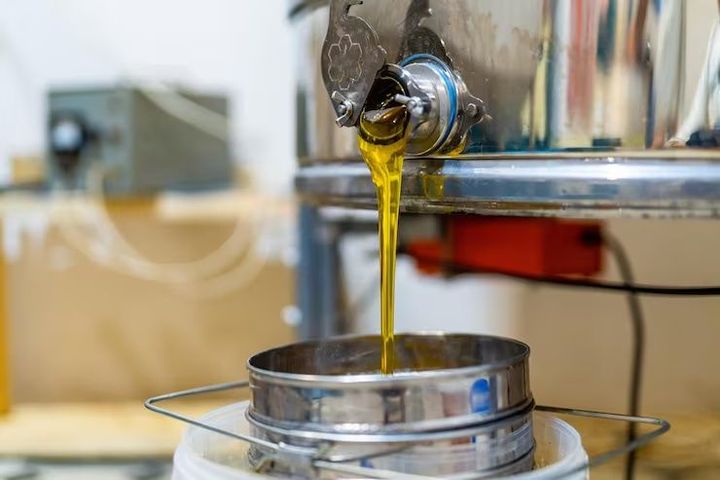
The process of lubricant manufacturing involves several key steps:
- Base oil selection, where raw materials are chosen based on intended use
- Additive blending, where chemicals are mixed to enhance performance
- Mixing and heating, ensuring uniform composition
- Filtration, removing impurities
- Quality testing, verifying performance standards
Example of Lubricant Properties
| Property | Description | Importance |
|---|---|---|
| Viscosity | Resistance to flow | Affects lubrication efficiency |
| Flash Point | Temperature at which vapor ignites | Indicates safety in high heat |
| Pour Point | Lowest temperature for flow | Important for cold environments |
| Oxidation Stability | Resistance to chemical breakdown | Extends lubricant lifespan |
FAQs
What is lubricant manufacturing and why is it important?
Lubricant manufacturing is the process of producing substances that reduce friction and protect machinery. It is important because it helps extend equipment life and improves efficiency.
What are the main types of lubricants used today?
Common types include mineral oils, synthetic oils, semi-synthetic oils, greases, and bio-based lubricants. Each type is suited for different conditions and applications.
How does the lubricant manufacturing process work?
The lubricant manufacturing process involves selecting base oils, blending additives, mixing, filtering, and testing to ensure consistent quality and performance.
What are the key applications of lubricants?
Lubricants are used in automotive engines, industrial machinery, marine equipment, and household appliances. They help reduce friction, control temperature, and prevent corrosion.
Are environmentally friendly lubricants widely used?
Environmentally friendly lubricants are becoming more common due to environmental regulations and awareness. They are designed to reduce environmental impact while maintaining performance.
Conclusion
Lubricant manufacturing is a vital industry that supports the functioning of machines and equipment across many sectors. It involves the careful formulation of base oils and additives to meet specific performance needs. With ongoing developments in sustainability and technology, the industry continues to adapt to changing requirements. Understanding the types, processes, and applications of lubricants helps users make informed decisions about their use and maintenance.